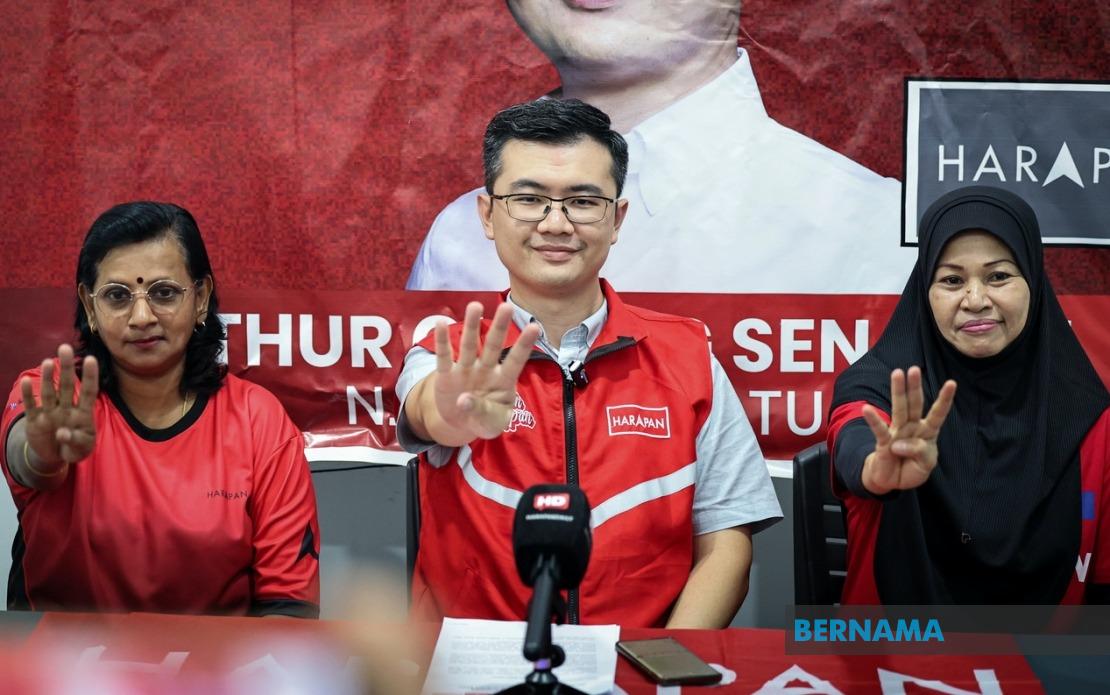
With the Johor state election approaching on July 11, incumbent Bukit Batu assemblyman Arthur Chiong Sen Sern is mobilizing his Pakatan Harapan machinery with intensified campaign activities aimed at achieving voter turnout above 60 percent. Speaking from his operations centre in Kulai, Chiong expressed confidence that a strong turnout would significantly boost his prospects of retaining the seat he won by a razor-thin margin of just 137 votes in the 2022 election.
The significance of the 60 percent threshold lies in Chiong's conviction that elevated participation typically favours incumbents with strong ground presence and organized support networks. The 2022 Johor state election recorded a voter turnout of approximately 54.9 percent, establishing a benchmark that Chiong believes can be surpassed through sustained engagement efforts across all demographic groups in the constituency. His campaign strategy reflects a sophisticated understanding of electoral dynamics in Malaysia, where turnout variations can dramatically shift outcomes in closely contested contests.
Chiong emphasized that his campaign machinery has been conducting aggressive ground work daily, with positive reception from voters of diverse ethnic backgrounds throughout the Bukit Batu area. He characterized the feedback received as exceptionally encouraging, suggesting that his previous tenure has established sufficient goodwill to warrant another mandate. This optimism stems from tangible engagement with constituents rather than speculative polling, lending credibility to his assessment of the political landscape in his division.
A notable aspect of Chiong's campaign narrative is his promotion of "mature politics" as embodied by the competitive environment in Bukit Batu. He noted that candidates opposing him maintain cordial relationships during campaign encounters, even exchanging pleasantries despite ideological differences. This portrayal of civil political discourse carries weight with Malaysian voters increasingly fatigued by antagonistic campaign styles, positioning Chiong as a representative of constructive governance focused on substantive issues rather than personal attacks.
Chiong's development agenda for Bukit Batu encompasses seven strategic determinations designed to address both immediate community needs and longer-term economic diversification. These include establishing a data centre industry career bridge programme, a project reflecting Malaysia's broader push toward digital economy participation and technological sector employment opportunities that extend beyond traditional manufacturing and services. The expansion of FT001 road infrastructure and installation of smart traffic light systems directly address congestion concerns affecting daily commuters, whilst remaining implementable within a state assemblyman's typical resource constraints.
Healthcare accessibility features prominently in Chiong's platform through clinic upgrades, recognizing that rural and developing constituencies often face service gaps in primary healthcare provision. His commitment to combating vape and drug abuse among youth responds to growing public health concerns in Malaysian communities, where substance dependency increasingly affects secondary and tertiary education cohorts. These initiatives demonstrate awareness of contemporary social challenges facing younger voters and their parents alike.
The remaining elements of Chiong's platform address educational infrastructure and tourism potential. Expanding school facilities responds to demographic pressures in growing constituencies, whilst the introduction of free Malay and History tuition classes provides tangible support to lower-income families whilst reinforcing cultural and civic education. Tourism sector strengthening suggests recognition of Johor's positioning within Malaysia's broader tourism economy, particularly relevant given Johor's geographic proximity to Singapore and regional tourism flows.
Crucially, Chiong framed these determinations not as mere electoral promises but as integrated initiatives he has already begun implementing during his current term. This distinction matters considerably in Malaysian electoral contexts, where voters increasingly distinguish between genuine implementation records and opportunistic campaign rhetoric. By positioning himself as an experienced incumbent with demonstrated delivery capacity, Chiong appeals to the rationality of voters preferring continuity over uncertain alternatives.
Chiong's emphasis on experienced leadership maintaining positive relations with state and federal governments addresses a practical consideration for constituency representatives. In Malaysia's federal system, assemblymen require functional relationships with their respective state administrations to secure funding allocations and facilitate project implementation. A representative from the ruling coalition potentially enjoys advantages in accessing state resources compared to opposition candidates, a calculus that voters in developing constituencies implicitly factor into their electoral decisions.
The early voting period scheduled for July 7, preceding the main election on July 11, provides additional opportunities for Chiong's machinery to mobilize supporters, particularly working professionals and those with travel commitments. The campaign's emphasis on turnout maximization suggests particular confidence in his ability to activate his voter base once voting commences, reflecting organizational strength on the ground.
For Malaysian observers, the Bukit Batu contest exemplifies broader trends within Johor's electoral landscape, where slim majorities in developing constituencies create perpetual vulnerability for incumbents. The 137-vote margin from 2022 places Chiong in a precarious position despite apparent community support, necessitating near-universal activation of favourable voters. His turnout-focused strategy represents rational campaign mathematics rather than mere optimism.
The competitive environment in Johor state elections remains fluid, with changing voter preferences and demographic shifts continuously reshaping constituency configurations. Bukit Batu's trajectory will provide important indicators of voter sentiment toward incumbent state governments and the effectiveness of localized development agendas in retaining support. Early voting commences July 7, with the main polling day on July 11, determining whether Chiong's campaign mobilization efforts translate into the electoral success he seeks.

