%22%2F%3E%3C%2Fpattern%3E%3C%2Fdefs%3E%3Crect%20width%3D%22100%25%22%20height%3D%22100%25%22%20fill%3D%22url(%23ph5y5t7g)%22%2F%3E%3Crect%20width%3D%22100%25%22%20height%3D%22100%25%22%20fill%3D%22url(%23ph5y5t7p)%22%2F%3E%3Ctext%20x%3D%2250%25%22%20y%3D%2250%25%22%20text-anchor%3D%22middle%22%20dominant-baseline%3D%22central%22%20fill%3D%22rgba(255%2C255%2C255%2C0.95)%22%20font-family%3D%22Georgia%2C%20'Times%20New%20Roman'%2C%20serif%22%20font-weight%3D%22700%22%20font-size%3D%22272%22%20letter-spacing%3D%22-0.02em%22%3EJohor%3C%2Ftext%3E%3C%2Fsvg%3E)
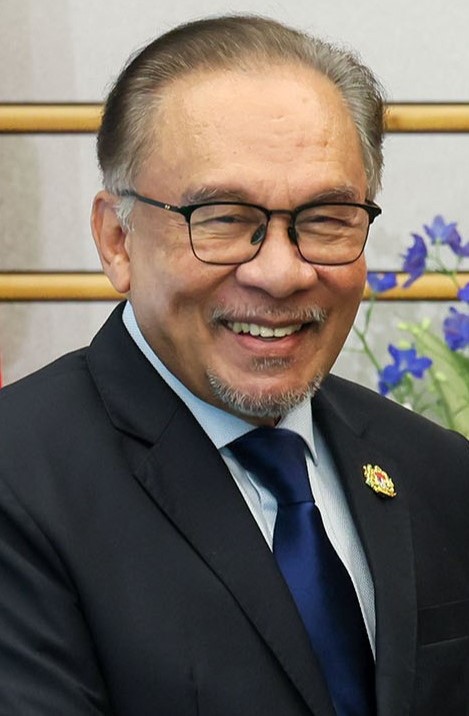
Prime Minister Datuk Seri Anwar Ibrahim was received in formal audience by Johor's Regent Tunku Mahkota Ismail on June 22, marking another chapter in the carefully maintained diplomatic relationship between Putrajaya and one of Malaysia's most strategically important states. The ceremonial meeting, held in Johor, carried symbolic weight beyond routine protocol, serving as a public reaffirmation of the partnership between the federal administration and the sultanate that governs the nation's economic powerhouse south of Kuala Lumpur.
Regal audiences between senior federal officials and state rulers represent more than mere formality in Malaysia's constitutional monarchy system. Such gatherings underscore the delicate balance of power between the federal government and the nine royal states, each of which maintains considerable autonomy within the federation. The Johor state palace reception demonstrated respect for institutional hierarchies and the continued relevance of the sultans in Malaysia's political architecture, even as executive authority resides primarily in Putrajaya.
Johor's economic significance amplifies the importance of maintaining harmonious centre-state relations. As the second-largest contributor to Malaysia's gross domestic product and home to critical port facilities, the state administration's cooperation on infrastructure, taxation, and development initiatives directly impacts national prosperity. Any deterioration in federal-Johor relations could reverberate across economic corridors, affecting everything from manufacturing exports to port operations. The public nature of this audience signals to stakeholders that the government and the regent are aligned on fundamental issues affecting the state's future.
Tunku Mahkota Ismail, as the regent and constitutionally designated successor to the Sultan, wields considerable influence within Johor's decision-making apparatus. His willingness to grant the Prime Minister an audience reflects openness to dialogue and cooperation rather than confrontation. In Malaysia's decentralised federal system, such personal relationships between national leaders and state rulers can prove instrumental in securing support for nationwide initiatives, whether in education, healthcare, or economic policy.
The timing of the meeting also merits consideration within the broader context of Malaysian governance. Federal governments often face differing political complexions across states, necessitating careful diplomatic engagement to maintain national cohesion. By publicly honouring protocols and seeking audience with the state's regent, the Prime Minister demonstrates commitment to federalism principles and respect for the constitutional position of the sultans—gestures that resonate beyond Johor's borders and help stabilise the federation's overall governance framework.
For Johor specifically, demonstrations of strong federal partnership offer tangible benefits. State development projects frequently require federal funding approvals, land agreements involving federal territories, and coordination on cross-border matters, particularly regarding the Singapore-Malaysia boundary and port administration. A regent clearly willing to engage with the Prime Minister enhances the state's negotiating position on these matters and signals to investors that the political environment remains stable and functional.
The audience also reflects the complex interplay between traditional institutions and modern governance in Malaysia. While real executive power lies with elected governments, the symbolic authority of the sultans remains deeply embedded in the national consciousness and constitution. International observers sometimes underestimate this institutional dimension, yet it fundamentally shapes how Malaysian politics operates. The ceremony between Anwar and Tunku Mahkota Ismail illustrates this enduring balance.
From the Prime Minister's perspective, building and maintaining strong relationships with key state rulers serves multiple strategic purposes. It facilitates legislative cooperation, as state governments control their own assemblies and can either support or obstruct federal initiatives at the state level. Additionally, sultans and regents exercise influence over non-governmental spheres—including religious affairs, cultural institutions, and community leadership—that complement the Prime Minister's capacity to govern effectively.
Southeast Asian observers should note that Malaysia's system of constitutional monarchy operating within a federal democracy remains unusual in the region. Thailand, Indonesia, and the Philippines operate under different frameworks entirely. Understanding how Malaysian leaders navigate the relationship between executive authority and royal prerogative—as this audience exemplifies—provides insight into how stable, functioning democracies can accommodate traditional institutions alongside modern governance structures.
Looking forward, the maintenance of such partnerships will prove increasingly important as Malaysia navigates post-pandemic economic recovery, digital transformation, and regional competitive pressures. States like Johor, with their substantial human and material resources, must feel genuinely partnered with federal authorities rather than subordinated to them. Audiences like this one, conducted with proper respect for constitutional roles, help preserve the consent of state populations and their leaders to remain within the federation and work toward common national objectives. The seemingly ceremonial meeting thus carries implications for Malaysia's broader political stability and economic trajectory.