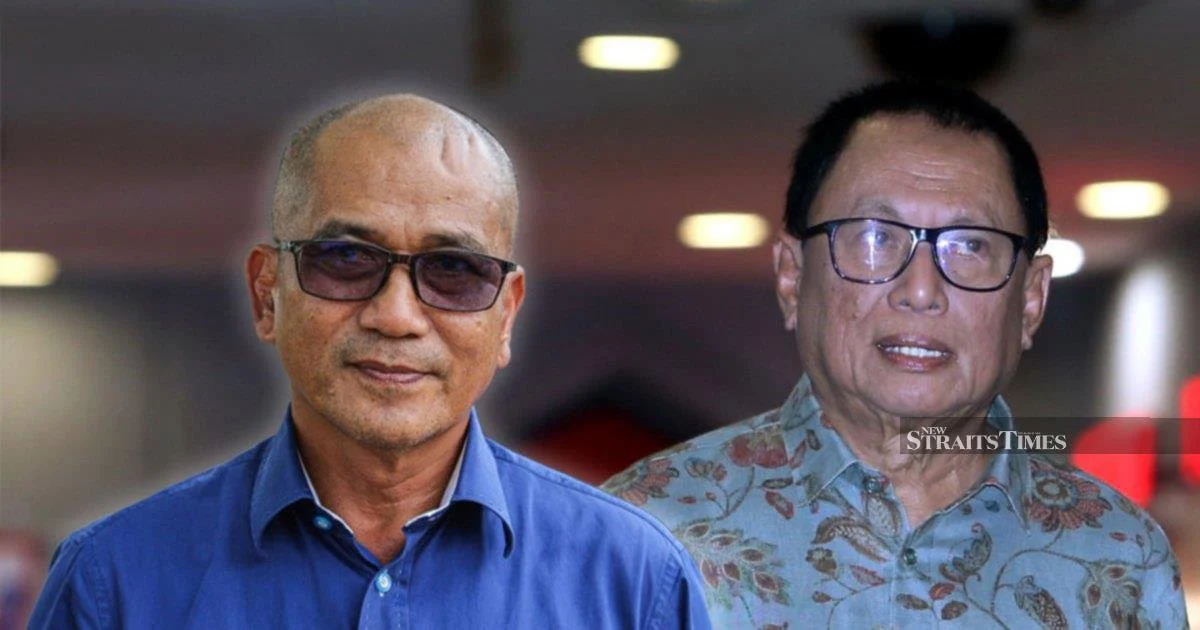
The leadership of the Johor state branch of Umno has moved swiftly to repudiate assertions made by Datuk Dr Mohd Puad Zarkashi, who previously held the position of speaker in the Johor legislative assembly. The former presiding officer has levelled allegations connected to the dissolution of the state assembly that took place on June 1, sparking a sharp rebuttal from party officials in the state capital.
Party officials have characterised the former speaker's comments as constituting serious defamation, underscoring their view that the accusations lack factual foundation. The strength of the response reflects the sensitivity surrounding the assembly dissolution, an event that reshaped Johor's political landscape and triggered the calling of snap elections. The timing and circumstances of the dissolution have remained a subject of political contention in the state, making the exchange between current party leadership and the former speaker particularly significant.
The dissolution of the state assembly in early June represented a pivotal moment for Johor politics, triggering a fresh electoral mandate and reshaping the balance of forces within the legislature. The decision to call fresh elections carried implications for both the ruling coalition's standing and opposition parties positioning in the state. For Umno specifically, the dissolution created both opportunities and risks, depending on electoral outcomes and the internal cohesion of the party's state machinery.
Datuk Dr Mohd Puad Zarkashi, in his role as speaker, occupied a constitutionally significant position during a period of considerable political turbulence. The assembly speaker holds important parliamentary privileges and responsibilities, functioning as an impartial authority responsible for overseeing legislative proceedings. His subsequent allegations suggest underlying tensions within Johor's political establishment regarding the justifications and procedures surrounding the dissolution decision.
The public dispute between current party leadership and the former speaker illustrates broader fault lines within Umno's state operations. Such disagreements, particularly when involving former senior office-holders, can expose divisions within party ranks and potentially damage the party's credibility among voters who expect institutional cohesion. The categorical rejection by current Johor Umno officials indicates that party management views the allegations as a threat requiring immediate and forceful response.
In Malaysian politics, dissolution of state assemblies and snap elections have become more frequent occurrences in recent years, often accompanied by claims and counter-claims about procedural propriety and political motivations. These disputes frequently intersect with questions about party strength, intra-party negotiations, and calculations about electoral advantage. The Johor situation fits within this broader pattern of heightened political contestation at the state level across Malaysia.
The credibility of the allegations and the party's response will likely influence perception among Johor voters and political observers regarding the legitimacy of decisions made around the assembly dissolution. Such disputes are rarely purely about procedural questions; they invariably carry implications for how the public views institutional trust and political integrity. The manner in which both sides present their cases through media channels thus becomes important for political messaging.
For Umno specifically, managing internal disputes involving prominent figures like former speakers requires careful navigation. The party has historically valued institutional hierarchy and party discipline, yet cannot entirely suppress internal criticism without appearing authoritarian. The response from current state leadership suggests a determination to control the narrative around the dissolution decision and prevent alternative interpretations from gaining traction.
The timing of the allegations and their rebuttal matters within the broader cycle of Johor state politics. If the dispute persists or intensifies, it could become a recurring issue in political discourse, potentially affecting the party's standing in future electoral contests. Conversely, if the matter subsides, it may be interpreted as evidence that the party has successfully contained the challenge to its narrative.
Regionally, the Johor dispute resonates beyond the state's boundaries because Umno's performance in this crucial state carries implications for national politics and the broader coalition dynamics. Johor has traditionally been significant to Umno's electoral calculations and resource distribution within the party structure. Anything that destabilises or creates doubt about the party's coherence in Johor inevitably attracts scrutiny from national-level party figures and political commentators.
The exchange between Johor Umno leadership and Datuk Dr Mohd Puad Zarkashi ultimately reflects contemporary Malaysian politics' increasingly contentious nature, where institutional decisions become the subject of public disputes between figures occupying or having occupied positions of authority. The allegations, whether substantiated or not, have succeeded in maintaining political attention on the assembly dissolution and its circumstances—a fact that itself carries strategic implications for all parties involved.

