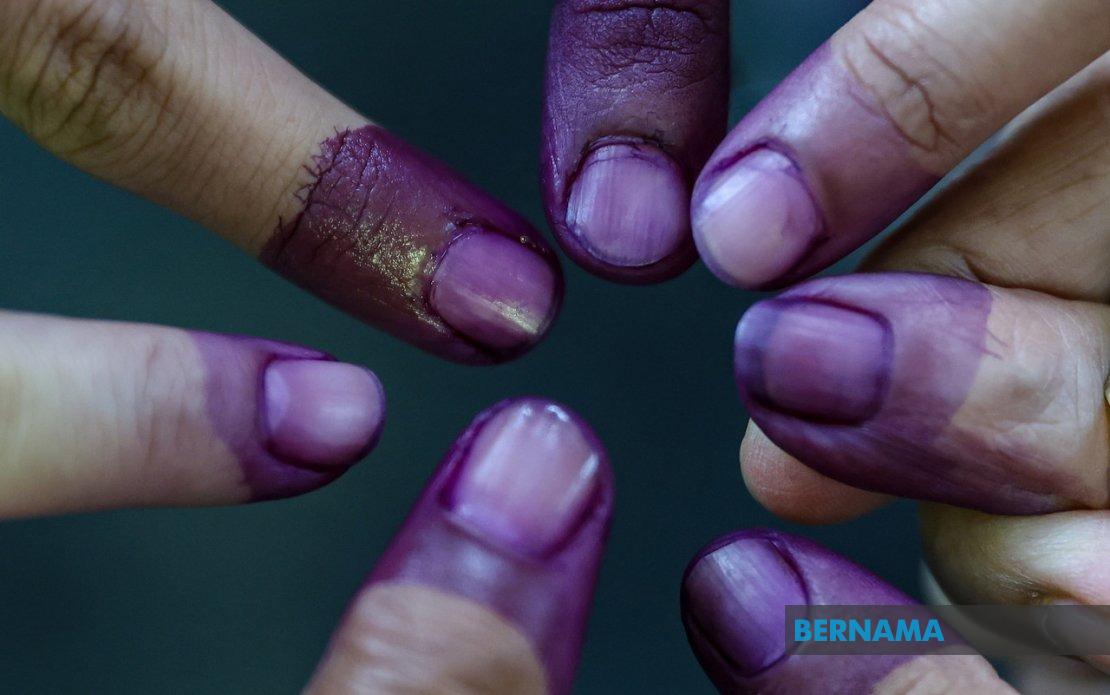
The 16th Johor state election on July 11 witnessed an unusual twist as major food and beverage establishments transformed the traditional purple mark of civic participation into a gateway for consumer rewards. More than 2.6 million eligible voters across the state cast their ballots to elect representatives for 56 State Legislative Assembly seats, and many discovered that their ink-stained fingers could unlock a surprising array of promotional deals before leaving the polling stations.
The indelible ink, a permanent fixture in Malaysian elections since the Election Commission introduced it during the 2013 Kuala Besut by-election, serves a critical security function by preventing multiple voting and maintaining electoral integrity. Yet on this particular day, the distinctive purple stain became something altogether different—a symbol of consumer gratification that bridged the solemnity of the ballot box with the casual pleasures of modern retail culture.
The Coffee Bean & Tea Leaf led the charge by offering 20 per cent discounts on selected menu items to any customer displaying their inked finger, an offer valid only for the day of voting. This promotion highlighted how established cafés sought to acknowledge and appreciate voter participation while simultaneously driving foot traffic during what could be a quieter commercial day.
Krispy Kreme sweetened the deal for doughnut enthusiasts, making their signature Original Glazed offering available for just RM2 at select Johor outlets when voters presented their marked fingers, subject to stock availability. The pricing strategy effectively made the reward accessible even to price-conscious voters while maintaining reasonable profit margins for franchisees.
Fast-food giants also embraced the trend. Burger King extended complimentary Soft Serve Cone ice cream with any set meal purchase, initially for election day but extending the offer through the following day to capture additional customer interest. Meanwhile, Marrybrown contributed a free piece of fried chicken alongside any MB Combo purchase for voters presenting their ballot-day mark, creating an incentive that appealed to families and regular patrons alike.
The collection of promotions gained substantial traction across social media platforms from early morning onwards, as voters documented their post-ballot "reward stops" and shared images of their election-day purchases. This organic amplification through personal networks proved far more authentic and engaging than traditional advertising, generating authentic word-of-mouth enthusiasm that reflected genuine customer appreciation rather than corporate messaging.
While individually modest in monetary value, these offerings collectively created a festive atmosphere that extended beyond the confines of polling stations. They fostered a subtle message of social appreciation, suggesting that participation in democratic processes deserves recognition and that businesses regarded voters as valued community members rather than mere transaction opportunities.
The phenomenon carries particular significance for Malaysia's regional context, where voter engagement and turnout remain priorities for electoral authorities. By making the tangible experience of voting more immediately rewarding, these commercial initiatives inadvertently supported broader civic participation narratives, even if their primary motivation remained commercial.
Johor's election attracted considerable national attention, with a competitive field of 172 candidates representing diverse political perspectives. Pakatan Harapan and Barisan Nasional each fielded 56 candidates, while Perikatan Nasional presented 33 contenders, and various smaller parties and independent candidates rounded out the ballot. This competitive landscape underscored Johor's political significance within Malaysia's broader democratic landscape.
The intersection of electoral participation and consumer rewards reflects broader societal trends toward gamification and immediate gratification. Rather than positioning voting purely as a civic obligation, the promotional strategy reframed it as an experience deserving recognition and enjoyment, potentially resonating with younger voters who increasingly expect interactive and rewarding engagement in institutional processes.
For Malaysian readers across Southeast Asia's most developed state economies, Johor's election-day promotions offer a microcosm of how commercial and civic interests can intersect productively. The initiatives demonstrated that businesses could acknowledge democratic participation authentically while serving their commercial objectives, creating win-win scenarios for electoral engagement and consumer activity.

