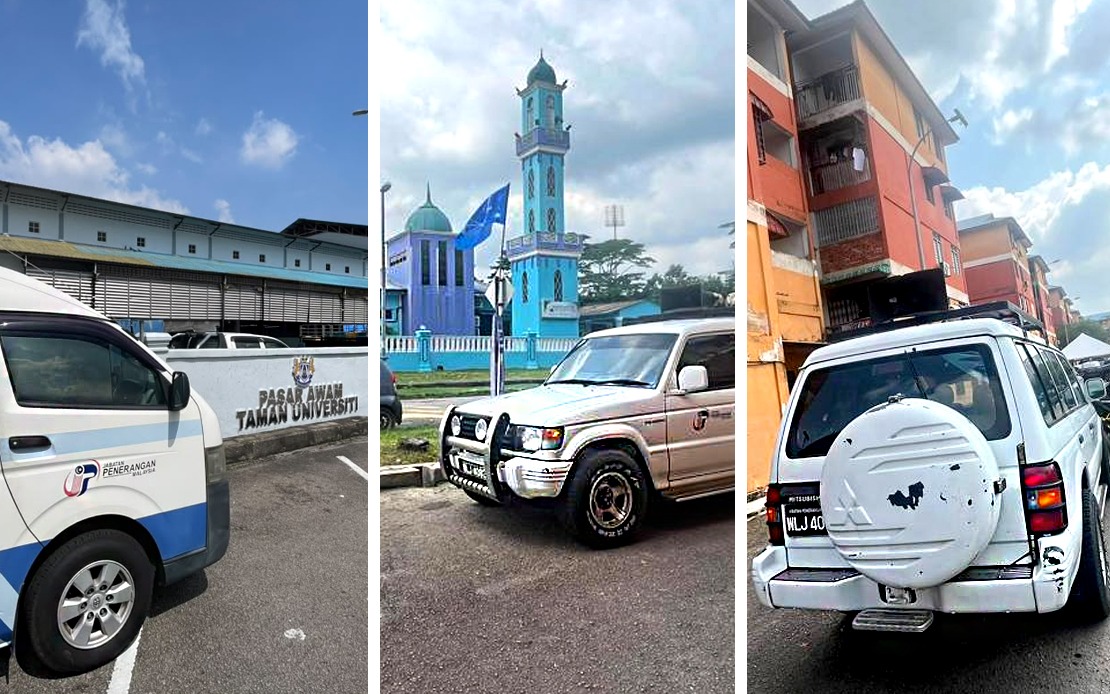
The Johor Department of Information (JAPEN) has fully operationalised 26 Info On Wheels (IOW) mobile units in a concerted effort to increase voter engagement across the state ahead of the 16th Johor state election. The initiative reflects a strategic shift towards proactive public outreach rather than relying on citizens to seek information independently. According to JAPEN director Mohd Rizal Hashim, this comprehensive deployment covers all 10 districts and 56 state constituencies throughout Johor, ensuring that essential electoral messaging penetrates both densely populated urban centres and remote communities.
The timing of this mobilisation campaign underscores the urgency of reaching voters in the final days before polling. JAPEN has intensified its announcement schedules particularly during mornings and evenings in the three days preceding election day, recognising that many voters need last-minute reminders about polling procedures and their voter registration status. This staggered approach acknowledges the varying daily routines of Johor's diverse population, from urban professionals to agricultural workers in rural settlements.
Mohd Rizal's operational philosophy—to bring official information directly into communities rather than waiting for public demand—represents a departure from traditional passive information distribution methods. The mobile units have been strategically positioned to serve residential neighbourhoods, Felda settlements, and Orang Asli villages, constituencies that might otherwise receive less systematic communication from election authorities. This targeted coverage demonstrates an understanding that voter participation barriers often stem not from apathy but from access gaps and information asymmetry.
The campaign pursues two interconnected objectives that extend beyond merely announcing election dates. First, JAPEN seeks to ensure that authoritative information from the Election Commission—such as polling locations, voter status verification procedures, and voting reminders—reaches the public through credible official channels. This emphasis on verified information becomes particularly significant in an era where election cycles frequently coincide with surges in misleading social media content that can confuse or discourage voters.
Second, the department has deliberately incorporated face-to-face advocacy programmes designed to counter disinformation at its source. By engaging communities directly, JAPEN personnel can address concerns, clarify misconceptions, and inoculate voters against false narratives that proliferate during electoral periods. This hands-on approach acknowledges that combating misinformation requires more than broadcast messaging; it demands interactive dialogue that allows voters to ask questions and receive authoritative clarification in real time.
Mohd Rizal has framed voting not merely as a constitutional right but as a civic responsibility that carries material consequences for Johor's trajectory over the succeeding five years. This reframing attempts to elevate voting beyond abstract democratic principle to tangible personal stakes involving economic opportunity, infrastructure development, and public welfare. For Malaysian voters, this messaging resonates particularly in state elections where local policy decisions directly affect housing affordability, employment prospects, and service delivery quality.
The department's emphasis on planning and punctuality reflects practical recognition that logistical barriers—uncertainty about polling locations, transportation difficulties, or scheduling conflicts—suppress turnout even among motivated voters. By encouraging early journey planning and clearly communicating polling procedures, JAPEN removes friction points that might otherwise prevent eligible citizens from casting ballots. This operational focus on reducing participation costs complements the inspirational messaging about voting's importance.
The election's Saturday timing adds urgency to JAPEN's weekend-intensive communication schedule. Weekend polling dates typically maximise accessibility for working-age voters but require careful coordination to ensure that information reaches people across diverse daily schedules. The mobile units' presence in high-traffic residential areas during peak periods—morning hours when people prepare for the day and evening hours when communities gather—maximises exposure to official messaging.
Vigilance against social media misinformation represents an increasingly critical dimension of election administration in Southeast Asia. JAPEN's public reminders to voters to scrutinise unverified information on digital platforms acknowledge that modern electoral challenges extend beyond traditional campaign conduct to information ecosystem integrity. As Malaysian voters navigate dense social media environments during political campaigns, official guidance to verify sources before sharing or acting on information provides valuable anchoring to credible communication channels.
For voters throughout Johor, the mobilisation of 26 Information On Wheels units reflects institutional commitment to accessibility and transparency in electoral processes. The comprehensive geographic coverage—reaching urban conurbations and remote villages alike—embodies a principle that voting information and encouragement belong to all citizens regardless of location or social connectivity. This inclusive approach strengthens the legitimacy of electoral outcomes by ensuring that barriers to informed participation do not systematically advantage particular communities.
The campaign's success will ultimately depend on voters' reception of information and their translation of awareness into action. Johor's diverse electorate—spanning rapidly urbanising areas, established residential regions, agricultural communities, and indigenous settlements—presents both opportunities and challenges for uniform messaging. Mobile units allow adaptation of delivery methods to local contexts while maintaining consistency in official information content.

