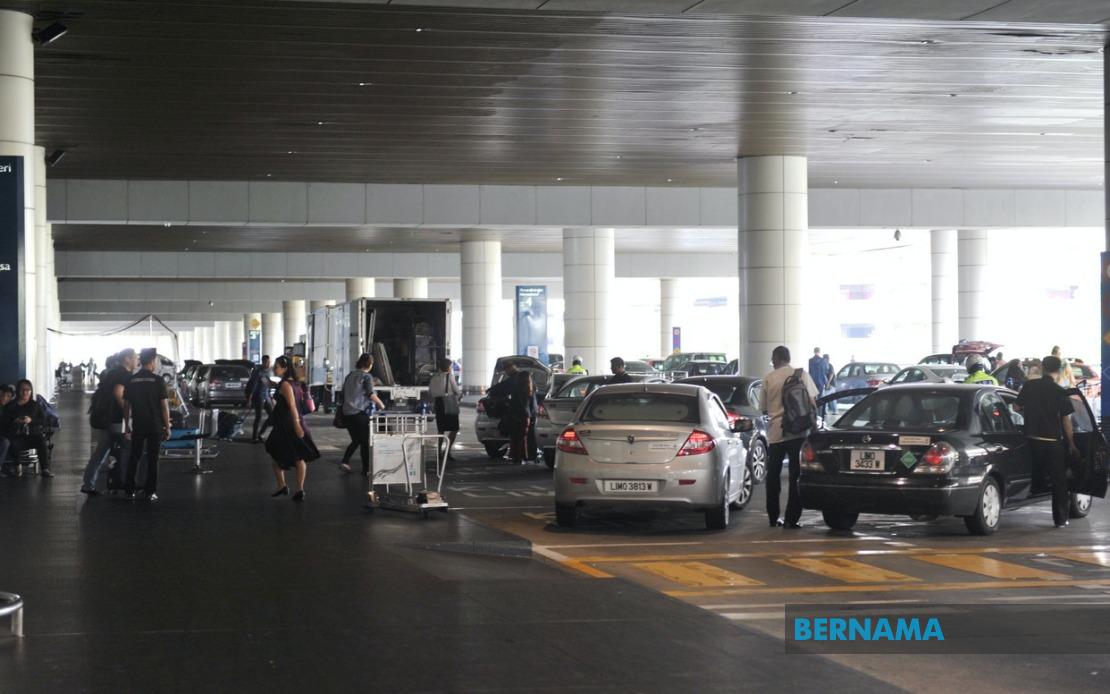
The Road Transport Department (JPJ) is preparing to launch a significant operational escalation at Kuala Lumpur International Airport, deploying expanded enforcement teams to combat the persistent problem of illegal transportation touts known colloquially as 'ulat'. Director-General Datuk Aedy Fadly Ramli announced that the reinforced presence, set to commence the following week, responds to direct instructions from the Ministry of Transport to create a more effective deterrent against unlicensed passenger transport intermediaries operating within the airport complex.
Currently, the department's capacity at KLIA remains minimal and inadequate for the scope of the problem. Only 17 JPJ officers are stationed at Terminal 1, working limited shifts between 7 a.m. and midnight, while Terminal 2 operates without dedicated personnel for this specific enforcement mandate. This staffing gap represents a critical vulnerability, as tout activities operate throughout the day and night cycle, with operational intensity beginning as early as 4 a.m. when international flights commence arriving. The new operational model will introduce three rotating shifts ensuring uninterrupted coverage across both major terminals.
The restructuring involves more than simple numerical augmentation of frontline patrols. Senior-ranking officers with substantive leadership credentials will be permanently positioned at both terminals to oversee enforcement operations, establishing clear command structures and decision-making authority at the point of enforcement. This hierarchical reorganisation aims to enhance operational coordination, improve response times to suspected violations, and ensure consistency in enforcement standards across multiple shifts and terminal locations.
The decision to strengthen airport enforcement reflects broader concerns about Malaysia's international image and the airport experience for arriving travellers. Illegal touts offering unofficial transport arrangements create negative first impressions of the country's transportation standards and regulatory environment. By maintaining visible, professional enforcement presence, the government signals commitment to legitimate commercial practices and consumer protection within the aviation sector. International visitors often judge destination safety and reliability partly through their airport experience, making effective enforcement economically significant beyond immediate regulatory considerations.
JPJ's collaborative approach with Malaysia Airports Holdings Bhd extends enforcement strategy beyond traditional policing into the realm of passenger awareness and communication. Joint efforts will expand informational displays and announcements throughout terminal facilities, educating arriving passengers about the availability and importance of licensed transportation services. This complementary strategy recognises that prevention through awareness reduces enforcement demand by diminishing demand for illegal services among informed passengers unfamiliar with local regulations.
The enforcement intensification occurs within a specific operational framework termed 'KLIA Ops Ulat', indicating a structured, named initiative rather than ad-hoc responses. This formalisation suggests systematic planning, allocated resources, and defined success metrics. The terminology itself—'Ops Ulat'—demonstrates institutional recognition that illegal tout activity represents a specific, identifiable problem warranting dedicated operational architecture rather than peripheral enforcement attention.
Illegal touts typically operate by identifying arriving passengers, offering unofficial transportation at unregulated rates, and directing them toward unmarked vehicles or informal networks. Beyond the immediate transaction problem, this informal ecosystem undermines legitimate taxi operators and ride-sharing services, distorts transportation market competition, and potentially exposes unsuspecting passengers to safety and security risks associated with unregistered vehicles and unlicensed drivers. The enforcement strategy therefore serves multiple stakeholder interests simultaneously.
For Malaysia's transportation regulatory framework, the enforcement escalation represents institutional capacity-building within JPJ's operational scope. The deployment model establishes precedent for sustained, intensive enforcement at high-traffic strategic nodes. Success at KLIA could inform similar strategies at other international entry points, including port facilities and land border crossings, where comparable informal transportation intermediaries often operate with similar consequences for legitimate service providers and passenger safety.
The initiative also reflects evolving approaches to regulatory compliance in Southeast Asian aviation hubs. Singapore, Thailand, and Indonesia similarly contend with airport transportation market irregularities, making JPJ's strategy relevant to regional transport governance discussions. Information-sharing and best practice adoption among ASEAN transport authorities could amplify enforcement effectiveness across the region's primary gateway airports.
Enforcement success will ultimately depend upon consistent resource allocation, personnel retention in designated roles, and sustained political commitment beyond initial operational announcements. Historical patterns in regulatory implementation reveal that enforcement initiatives often encounter resource constraints, personnel reassignments, or policy deprioritisation as attention shifts toward competing administrative demands. Datuk Aedy Fadly's assurance that JPJ will not compromise with parties involved in tout activities represents institutional commitment, but implementation fidelity determines actual outcomes experienced by airport users and legitimate transportation operators.
The initiative carries direct implications for Malaysia's ground transportation ecosystem. Licensed taxi operators and ride-sharing service providers operating legitimately at KLIA will benefit from reduced illegal competition. However, enforcement intensity might also prompt informal sector participants to shift operations toward less-monitored transport hubs or ground transportation corridors outside airport property, potentially displacing rather than eliminating problematic practices. Comprehensive success would require complementary economic policies addressing underlying motivations for informal sector participation.
For travelling Malaysians and international visitors, the enforcement escalation promises improved transportation options, clearer commercial structures, and enhanced personal security through regulated service provision. The visible presence of uniformed enforcement personnel and management officials at terminals conveys governmental engagement with passenger experience and transportation standards. This commitment to enforcement-based regulation supplements technological solutions and market-based alternatives increasingly available through ride-sharing applications, creating layered approaches to transportation market governance.

