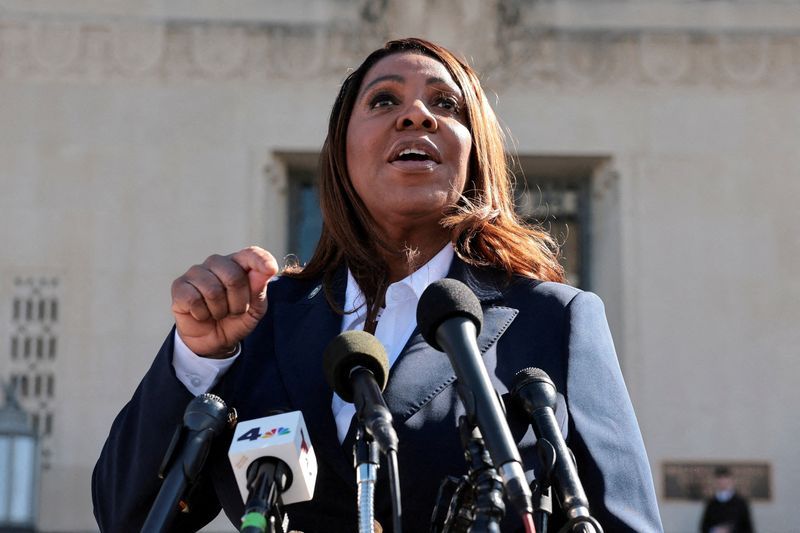
A New York state court has dealt a significant blow to Zelle, the digital payment platform owned by seven major American banks, by rejecting the company's attempt to dismiss a lawsuit brought by New York Attorney General Letitia James. Justice Phaedra Perry-Bond's ruling on Tuesday found sufficient grounds to proceed with allegations that Zelle's parent company Early Warning Services knowingly sacrificed consumer safety in its rush to expand market share, a decision that carries implications for payment platform regulation across North America and potentially Southeast Asia as digital payment adoption accelerates in the region.
The lawsuit centres on how Zelle operated since its 2017 launch, with James alleging that the platform amassed over $1 billion in fraudulent transactions while deliberately avoiding implementation of basic protective measures that the company itself had proposed. Justice Perry-Bond's decision explicitly found that the attorney general had made credible allegations that Early Warning Services chose to "prioritize accessibility, convenience, consumer adoption, and market dominance at the expense of consumer safety" despite receiving warnings from its banking partners about potential vulnerabilities.
Early Warning Services maintains ownership through an unusual consortium of seven of the United States' largest financial institutions: Bank of America, Capital One, JPMorgan Chase, PNC, Truist, US Bank and Wells Fargo. This structure creates a complex liability picture, as the lawsuit essentially targets the banks themselves through their joint venture, raising questions about institutional accountability when multiple financial entities collectively operate a consumer platform.
Central to the judge's decision was evidence that Zelle continued receiving and retaining transaction fees even from fraud-tainted transfers. Justice Perry-Bond's observation that the company "conceded" this practice suggested potential knowledge or implicit approval of fraudulent activity, a finding that strengthens the attorney general's position considerably. This detail transforms the case from one about negligence into questions of possible complicity.
The attorney general documented several prevalent fraud schemes that exploited Zelle's architecture: criminals gained unauthorised access to user accounts and initiated transfers, perpetrators deceived users into sending money for goods and services that never existed, and bad actors impersonated legitimate institutions including banks, government agencies and utility providers. These tactics proved alarmingly effective, suggesting Zelle's platform contained structural vulnerabilities that fraud-savvy individuals could readily exploit.
Notably, the judge found persuasive James's criticism of Zelle's marketing approach, particularly advertisements claiming the platform offered "peace-of-mind" and was "backed by the banks, so you know it's secure." These marketing claims took on new significance when examined against the reality that the company had resisted implementing safety features and had delayed adopting basic protections. The contradiction between public messaging and actual security posture formed a core element of the attorney general's deceptive practices allegation.
What amplifies this case's significance is the timeline of Zelle's remedial actions. According to James's complaint, the company only introduced what she characterised as "basic" safeguards in 2023, approximately four years after initially proposing such measures. The delay followed investigative attention from the U.S. Consumer Financial Protection Bureau and congressional scrutiny, suggesting regulatory pressure proved more persuasive than the accumulation of consumer harm.
Zelle responded to the court's decision through a statement from spokesperson Eric Blankenbaker, asserting that fraud reports among Zelle users remain "exceptionally low" and characterising the lawsuit as politically motivated. The company maintained that advertising the platform as safe and secure constituted non-misleading commercial speech, and argued it bore no legal responsibility for what it termed "passive nonfeasance" in creating conditions amenable to fraud. However, these defences failed to convince the court that dismissal was appropriate at this stage.
The timing of James's lawsuit acquisition significance given broader regulatory developments. The U.S. Consumer Financial Protection Bureau had pursued a similar enforcement action but abandoned the case in March 2025, shortly after President Donald Trump commenced his second term. The CFPB's decision to curtail enforcement activity created a regulatory void that James's office effectively filled, suggesting state-level oversight may become increasingly important in policing digital financial services.
For Southeast Asian observers, this case illuminates critical regulatory questions as digital payments proliferate across the region. Malaysia, Singapore, Thailand and other countries are witnessing explosive growth in mobile payment adoption, with platforms increasingly handling substantial transaction volumes. The Zelle litigation demonstrates that rapid platform expansion without concurrent safety infrastructure can generate massive fraud losses while enriching the platforms through transaction fees derived from criminal activity—a cautionary template as regional regulators craft rules governing emerging payment services.
Zelle competes with other major digital payment applications including PayPal's Venmo and Block's Cash App, all facing similar regulatory scrutiny regarding fraud prevention. The judicial precedent established by Justice Perry-Bond—that platforms must implement adequate safety measures and that marketing claims regarding security can constitute material deception—may influence how regulators across multiple jurisdictions evaluate digital payment platform conduct and establish baseline safety requirements.
The case will now proceed to substantive litigation where the attorney general must prove her allegations. The judge's refusal to dismiss suggests the evidence package is sufficiently robust to warrant full trial proceedings, meaning Zelle faces genuine risk of substantial liability. For consumers and financial institutions across the digital payment ecosystem, this case signals that courts increasingly expect platforms to maintain safety standards proportionate to their market reach and to implement known fraud-prevention measures without strategic delay.

