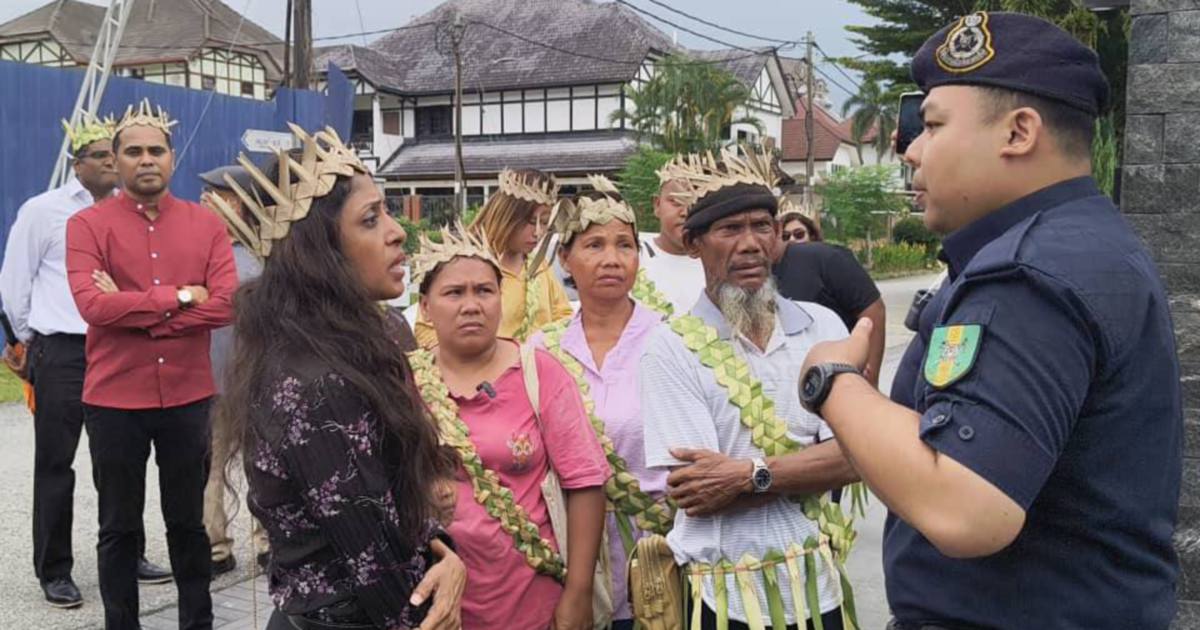
Indigenous families living in Kampung Sungai Cot in Maran, Pahang have expressed cautious optimism following a commitment from Prime Minister Datuk Seri Anwar Ibrahim to intervene in their long-standing dispute over ancestral land rights. The promise, made during an engagement with community representatives, marks a potential turning point in a battle that has consumed years of their efforts and resources. For the Orang Asli residents of this settlement, the prime minister's personal pledge to raise the matter directly with the Pahang state government represents the kind of high-level political attention their case has lacked during previous attempts at resolution.
The struggle over ancestral lands affecting indigenous communities in Malaysia remains one of the nation's most intractable governance challenges, rooted in competing legal frameworks, historical land classifications, and the complex interplay between federal and state jurisdictions. Kampung Sungai Cot exemplifies the broader pattern in which Orang Asli settlements find themselves caught between customary claims to territories their families have inhabited for generations and formal legal systems that may not adequately recognise or protect such claims. The residents have pursued various administrative and legal channels over an extended period, each avenue consuming time and testing community resolve. Their willingness to continue engaging despite repeated disappointments reflects both the spiritual and economic significance of land to indigenous livelihoods in rural Pahang.
Prime Minister Anwar's involvement signals that indigenous land matters are receiving consideration at the highest levels of government. His undertaking to communicate the community's concerns to Pahang authorities indicates recognition that some disputes require coordination between federal and state governments to achieve resolution. This approach differs from earlier processes in which communities were directed to exhaust state-level remedies without corresponding federal support or pressure. The nature and timing of such interventions often prove decisive in land disputes affecting marginalised groups, as political will at senior levels can accelerate bureaucratic processes that otherwise proceed at glacial pace.
For Orang Asli communities across Malaysia, the precedent of federal prime ministerial intervention carries wider implications. Cases in Selangor, Johor, and other states have similarly involved indigenous communities asserting rights over territories now claimed by state governments, private landowners, or development interests. The success or failure of Anwar's intervention in the Kampung Sungai Cot situation could influence how other Orang Asli groups approach their own land disputes and the realistic prospects of achieving government-brokered settlements. Should the prime minister's involvement prove effective, it would validate the strategy of escalating such matters to federal leadership; conversely, any protracted delays would reinforce indigenous communities' scepticism about the sincerity of political commitments.
Maran district in Pahang has witnessed multiple land-related disputes involving indigenous populations, reflecting broader patterns of demographic change and development pressures in the state. As economic development initiatives and infrastructure projects expand in rural Pahang, indigenous communities increasingly find their traditional territories subject to competing claims and development frameworks that may not account for their presence or historic occupation. The Kampung Sungai Cot case thus exemplifies pressures faced by Orang Asli settlements across Southeast Asia as nations pursue development agendas without always securing the informed consent of indigenous populations or recognising their land rights within national legal systems.
The community's hope for resolution depends partly on what mechanism Prime Minister Anwar intends to employ when raising the matter with Pahang authorities. Options might include direct negotiation between state officials and community representatives, appointment of a neutral fact-finding committee, or invocation of federal authority to compel state-level action on land recognition. Each approach carries different timelines and success probabilities. Successful resolution would require not merely acknowledgement of the community's historical connection to the land but concrete legal or administrative recognition that enables residents to secure their tenure and access livelihood resources without ongoing uncertainty.
Orang Asli land rights remain contentious within Malaysia's federal system partly because ancestral land claims can conflict with state revenue interests and development priorities. Unlike some neighbouring countries that have established national frameworks for indigenous land recognition, Malaysia's approach remains piecemeal, with resolution dependent on case-by-case negotiations and individual state governments' willingness to accommodate indigenous claims. This fragmentation means that communities in more sympathetic states may achieve breakthroughs whilst others face persistent resistance, creating geographical inequity in indigenous land security across the peninsula.
The Kampung Sungai Cot residents' willingness to engage with Prime Minister Anwar reflects both their desperation to resolve a decades-old problem and a calculated judgment that federal intervention offers better prospects than continued reliance on state-level processes. Their patience with slow-moving bureaucratic procedures suggests they have exhausted alternative avenues. This context underscores the significance of the prime minister's commitment; these communities have learned through experience that political promises require follow-through, and their hope is tempered by awareness that political priorities shift and that government attention to indigenous issues tends to be sporadic rather than sustained.
The coming months will reveal whether Prime Minister Anwar's intervention catalyses meaningful progress or becomes another episode in a prolonged cycle of engagement, commitment, and limited concrete outcome. Should the Pahang government prove receptive and initiate substantive dialogue with Kampung Sungai Cot residents towards securing their land claims, the development could influence how future indigenous land disputes are approached throughout Malaysia. Conversely, should the issue stall despite federal attention, it would underscore persistent structural barriers to indigenous land recognition within Malaysia's constitutional and federal architecture, with troubling implications for Orang Asli communities facing similar situations elsewhere in the country.

