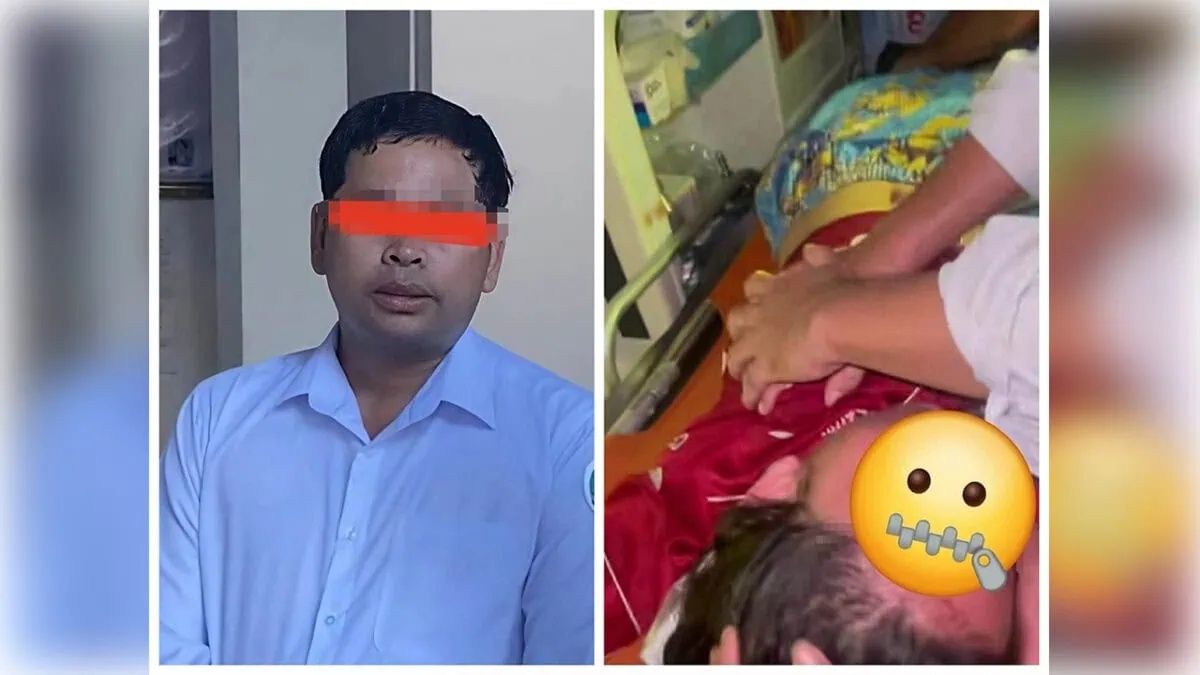
Kandal provincial governor Kuoch Chamroeun has stripped Chhun Phally of his position as chief of Setbo Health Centre, reassigning him to the provincial health administration following intense public backlash over a video documenting emergency medical treatment that spread rapidly across social media. The administrative action, issued on Tuesday, took effect immediately and came just one day after the footage triggered widespread debate about professional standards and patient dignity in Cambodia's healthcare sector.
The controversy centred on a video recording of Phally administering first aid to a 17-year-old girl who arrived at the facility experiencing seizures and respiratory distress. A family member had originally captured the footage to keep other relatives informed of the teenager's medical condition, but the clip subsequently circulated through social media platforms, generating substantial public criticism and serious allegations. Online commentators questioned whether the treatment adhered to established medical protocols and questioned the appropriateness of the handling, with many asserting that the patient's dignity had been compromised during the emergency intervention.
While Chamroeun's official directive did not explicitly outline justification for Phally's removal, the move represented a clear response to mounting public pressure and reputational concerns. The governor's swift action underscores the sensitivity surrounding patient treatment standards in Southeast Asian healthcare environments, where transparency and accountability increasingly matter to the public. The decision also reflects pressure on provincial authorities to demonstrate responsiveness when healthcare professionals face allegations of misconduct, regardless of whether preliminary findings support the claims.
Acting provincial health director Kiem Piseth announced that the Kandal provincial health department would conduct a comprehensive investigation to establish whether medical procedures conformed to professional standards and whether any breaches of conduct occurred. His statement suggested the authorities were taking the matter with considerable seriousness, signalling that potential consequences could extend beyond administrative reassignment. Piseth indicated that substantiated findings of misconduct or sexual harassment could result in formal legal proceedings, a significant step that signals the gravity with which the incident is being treated.
Phally subsequently issued a public statement expressing regret for any misunderstanding his actions may have caused. He maintained that his intervention was motivated entirely by the urgent need to preserve the patient's life during a medical crisis, categorically denying any improper or inappropriate behaviour. The statement attempted to reframe his actions within the context of emergency medicine protocols, where rapid response and sometimes unconventional positioning are sometimes necessary to maintain airway patency and circulation. Nevertheless, his apology acknowledged the gap between his intentions and public perception.
The incident has reignited discussions throughout Cambodia regarding professional ethics standards and institutional safeguards within the healthcare system. Medical professionals and public health advocates have seized the moment to advocate for enhanced training in emergency protocols alongside stronger mechanisms for protecting patient privacy and dignity. The case highlights how social media can amplify healthcare incidents and accelerate institutional responses, sometimes before complete information about circumstances becomes available.
For Malaysian observers, the incident offers instructive parallels regarding healthcare governance in Southeast Asia. While Malaysia's medical regulatory frameworks and patient protection standards are generally more established, the Cambodian situation demonstrates how rapidly reputational and institutional crises can develop in neighbouring healthcare systems when public confidence erodes. The role of social media in shaping narratives around healthcare workers and institutional accountability has become increasingly consequential across the region, creating pressures that institutions must navigate carefully.
The investigation's outcome remains uncertain, with authorities yet to announce preliminary or final findings. The complexity of the case reflects broader tensions within developing healthcare systems between emergency response imperatives and established protocols for patient dignity and consent. The situation underscores the necessity for clear institutional guidelines that enable healthcare workers to respond effectively to medical crises while maintaining professional standards and protecting vulnerable patients from potential exploitation or inappropriate treatment.
Phally's reassignment to the provincial health administration leaves him in a reduced capacity while authorities continue their review. This intermediate measure suggests authorities sought a middle ground between immediate vindication and outright termination, pending investigation outcomes. The decision signals concern about the situation's credibility while preserving space for due process, though the reputational damage may render his continued practice in clinical settings untenable regardless of formal findings. The incident ultimately reflects evolving expectations across Southeast Asia that healthcare institutions demonstrate genuine accountability when public concerns arise about professional conduct.

