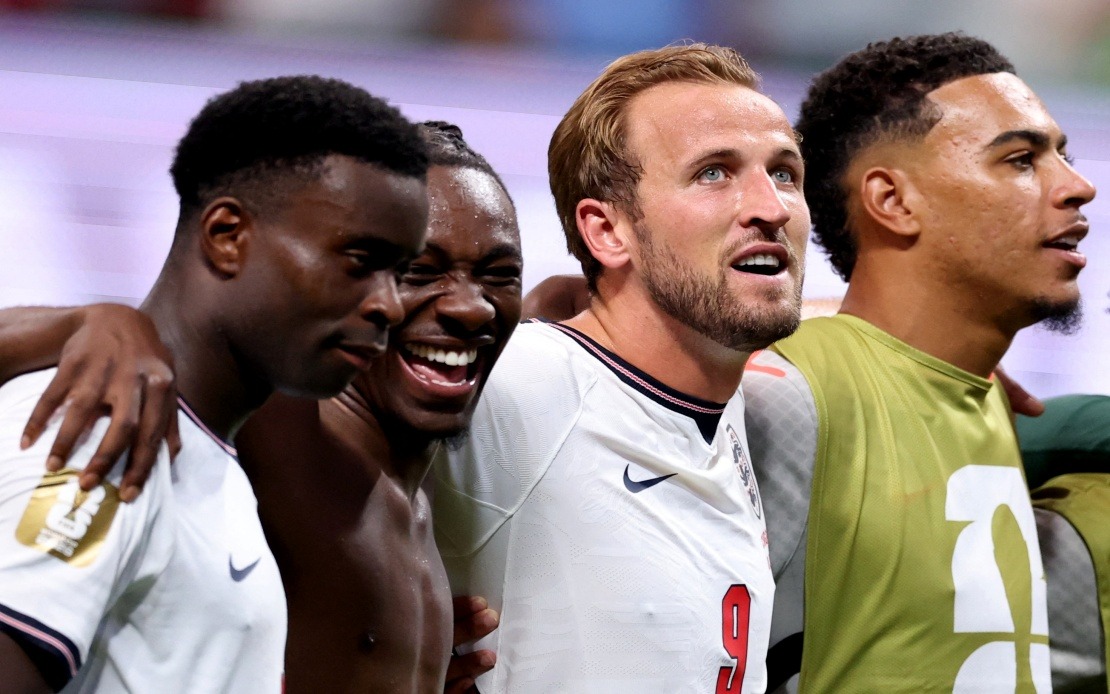
England's passage to the knockout round's next phase hung by a thread in Atlanta on July 2 before Harry Kane delivered the decisive intervention, his double securing a 2-1 reversal of fortune against the Democratic Republic of the Congo. The outcome, while ultimately satisfying, exposed troubling vulnerabilities that cast genuine doubt over Thomas Tuchel's side's World Cup prospects beyond their impending clash with co-hosts Mexico.
Congo's early breakthrough through Brian Cipenga threatened to trigger a nightmare scenario for the English setup. The prospect of elimination at this stage—losing to an unfancied opponent in a knockout encounter—evoked uncomfortable parallels with their catastrophic Euro exit a decade earlier to Iceland, a result that had defined a nadir in recent Three Lions history. For supporters and observers alike, the midweek fixture became a test not merely of footballing quality but of temperament under mounting pressure.
During extended stretches of the contest, England's performance suggested they might indeed succumb to the upset. The team created few clear opportunities and found Lionel Mpasi, Congo's goalkeeper, operating at an exceptional level between the posts. Their defensive frailties, laid bare by an opponent making their World Cup knockout debut, proved embarrassingly easy to exploit. Yoane Wissa's attempt that struck the frame late in the first half underscored Congo's genuine threat, while Kane's protests over a seemingly legitimate penalty appeal went unheeded by officials.
Yet beneath the surface anxiety, Tuchel's men retained sufficient composure to navigate the crisis. The manager's tactical adjustments and substitution choices—notably bringing Anthony Gordon into the fray—gradually shifted momentum toward England's favour. Gordon's introduction proved pivotal, with the winger setting up Kane on two occasions to engineer the turnaround. The resilience displayed, despite the unconvincing nature of much that preceded the comeback, suggested deeper reserves of experience and mental fortitude than Wednesday's performance might initially indicate.
This recovery marks only the second instance in English World Cup history where they have emerged victorious after conceding first, the previous occasion being the famous 1966 final triumph. The statistical rarity underscores how improbable the reversal appeared when Congo held their lead. For Malaysian and Southeast Asian observers watching the tournament unfold, Kane's decisive intervention reinforced the reality that elite football sides possess capacities to mount comebacks that less-favoured opponents often lack—a lesson relevant to regional competitions where psychological resilience frequently determines outcomes.
Yet the manner of victory carries substantial warning signs as England prepare for Mexico at the Azteca. Their inability to dominate Congo, coupled with defensive lapses that nearly proved fatal, suggests fundamental issues remain unresolved. Mexico, a more organised and tactically sophisticated proposition than Congo, will likely punish such lapses more ruthlessly. The question haunting English football circles is whether Tuchel has sufficient time to address these deficiencies before confronting an opponent capable of converting dominance into goals.
Congo's performance, though ultimately unsuccessful, deserves acknowledgment within the broader World Cup narrative. Their first-ever knockout participation demonstrated considerable technical ability and tactical discipline, particularly during periods when they restricted England's attacking creativity. Cipenga's early goal embodied their ambitions, and Mpasi's goalkeeping heroics showcased the continent's footballing talent. For African and global audiences, Congo's display vindicated their tournament qualification, even as the result reinforced the hierarchical divisions that continue characterising world football's elite echelon.
The path to the final now requires England to navigate Mexico's challenge while fundamentally sharpening their defensive solidity and attacking precision. Tuchel's substitution patterns—particularly the Gordon decision—illustrated his willingness to make bold changes, though critics will question why such adjustments did not occur earlier. The manager's post-match analysis will reveal whether he views Wednesday's narrow escape as a corrective learning experience or as evidence of deeper structural problems requiring substantial recalibration.
Looking forward regionally, England's unconvincing performance despite ultimate advancement offers Southeast Asian fans and analysts pertinent observations about World Cup football. Tournament success frequently belongs not to teams displaying consistent brilliance but to sides capable of surviving uncomfortable moments and capitalising on limited opportunities. England's progression despite obvious shortcomings illustrates this fundamental principle. As Malaysia and other regional representatives observe elite teams navigating knockout football, such matches illuminate the mentality and precision required to compete at sport's highest level, lessons applicable across various international competitions.

