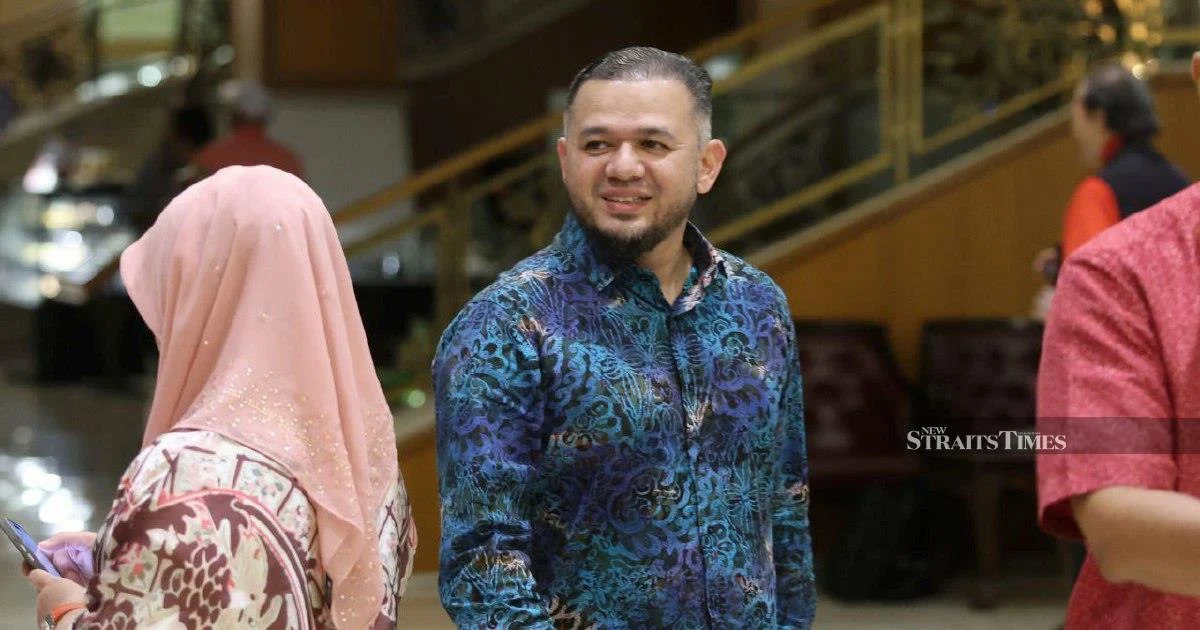
The High Court in Kuala Lumpur has dealt a significant setback to Kangar Umno division chief Datuk Dr Fathul Bari Mat Jahya and his two co-defendants, ruling that they must repay RM492,480 to a hajj and umrah service provider. The decision came after the court rejected their bid to stay the execution of a previous judgment, effectively clearing the path for the company to pursue recovery of the disputed amount.
The case centres on a financial dispute between the defendants, who served as directors of a company in the hajj and umrah services sector, and a service provider. The legal battle highlights persistent challenges within Malaysia's religious tourism and pilgrimage services industry, where contractual disagreements and directorial accountability remain contentious issues. The three individuals found themselves on the losing side of a judgment that a higher court now refuses to postpone or overturn on procedural grounds.
Fathul Bari's involvement in this case carries broader implications for Umno's internal governance and the party's public perception regarding financial management. As a division chief, his legal entanglement brings scrutiny to how political figures conduct business affairs outside their formal political roles. The dismissal of the stay application indicates that the court found no compelling reason to delay enforcement, suggesting the judicial process has largely run its course and no substantial grounds for appeal remain viable.
The RM492,480 figure represents a substantial sum that underscores the scale of the financial transaction or obligation at dispute. For a hajj and umrah service provider, such an amount could represent multiple pilgrimage packages or a significant operational loss. The company's pursuit of recovery through the courts demonstrates the seriousness with which service providers in this sector treat contractual breaches, particularly when involving company officers who bear fiduciary responsibilities.
Stay of execution applications represent a critical juncture in civil litigation, allowing defendants breathing room to exhaust appellate options or arrange financial settlements without immediate enforcement pressure. The High Court's rejection of this application signals judicial confidence in the merits of the original judgment and suggests the defendants' arguments for postponement lacked sufficient legal weight. This development effectively removes a significant procedural barrier that could have delayed the company's recovery efforts.
The implications for Malaysian business practices and corporate accountability deserve consideration. When company directors face judgments requiring personal repayment to service providers, it reinforces the principle that directorial positions carry genuine financial liability. This case serves as a cautionary example for individuals serving in corporate governance roles, particularly in sectors like religious tourism that involve managing customer funds and fulfilling service obligations.
For Umno particularly, the incident adds to a pattern of party-affiliated figures encountering legal and financial difficulties. Though separate from Fathul Bari's political role, such cases inevitably influence public perception of the party's standards regarding its members' personal conduct. The lack of apparent mitigation or successful delay mechanisms in court proceedings underscores the finality of the judicial determination and the limited options remaining for the defendants.
The hajj and umrah service industry remains crucial to Malaysia's religious tourism ecosystem, generating significant revenue while facilitating the spiritual aspirations of Muslim pilgrims. Disputes within this sector, particularly those involving directorial misconduct or breach of contractual obligations, can damage consumer confidence and the reputation of legitimate operators. This court ruling provides some reassurance that legal remedies exist when service providers suffer financial losses due to company officer misconduct.
Looking forward, the execution of this judgment will likely proceed without further delay. The defendants face the prospect of asset recovery proceedings or enforcement mechanisms that Malaysian courts possess to compel payment. Whether they choose to settle the outstanding amount or contest the matter through remaining legal avenues remains unclear, but the rejection of the stay application has substantially narrowed their procedural options and accelerated the timeline toward actual financial recovery by the plaintiff company.
This case ultimately reflects the Malaysian judiciary's willingness to enforce commercial judgments decisively while maintaining that corporate directors bear personal accountability for their obligations. For Fathul Bari and his colleagues, the path forward involves either arranging payment or pursuing any remaining appellate remedies, though the court's stance suggests those prospects have become increasingly limited. The episode also serves as a broader reminder that involvement in business ventures outside formal political roles carries distinct legal and financial consequences that affect individuals regardless of their political standing.

