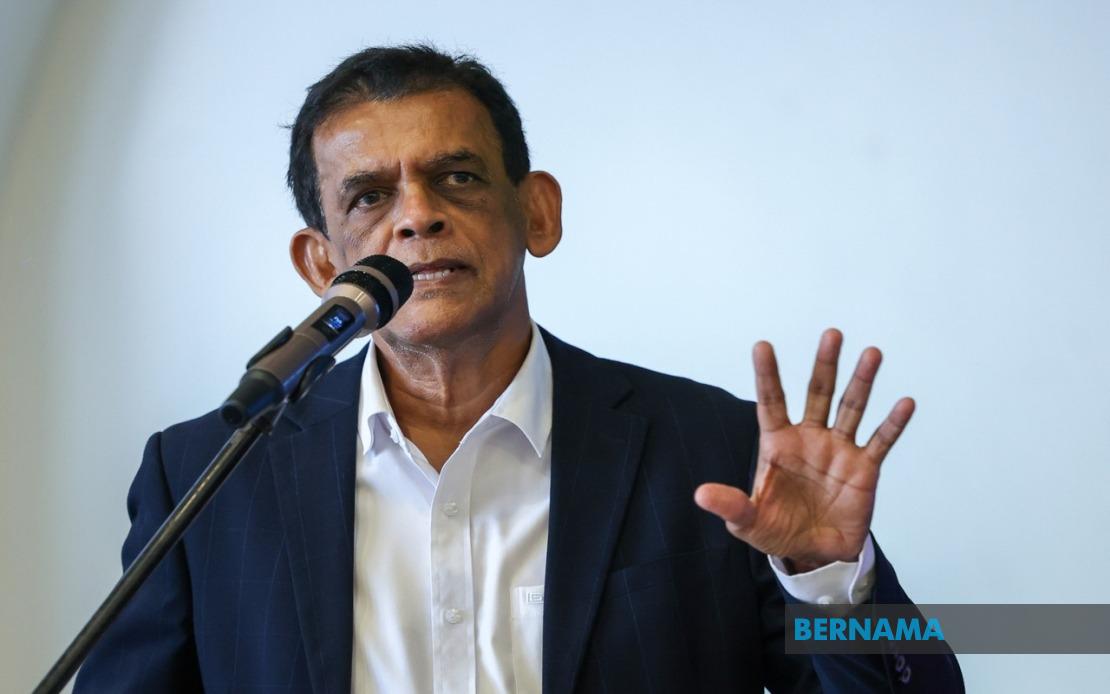
The Malaysian Artistes Association has formally requested government intervention to overhaul the country's music royalty collection infrastructure, presenting a proposal that reflects growing frustration within the creative sector over systemic failures affecting thousands of musicians and composers. Speaking at the association's annual general meeting in late June, Karyawan president Datuk Freddie Fernandez outlined a comprehensive reform agenda that would fundamentally restructure how Malaysia manages the collection and distribution of revenues from music performances, broadcasts, and digital streams.
The push for governmental control stems from longstanding grievances that have accumulated over more than two decades. Industry participants consistently complain about opaque management practices, with royalty collections now approaching RM200 million annually yet failing to reach rightful beneficiaries in equitable fashion. The current system, fragmented among multiple collective management organisations, has generated territorial disputes and administrative inefficiencies that disproportionately harm individual artists and smaller content creators who lack institutional leverage to navigate the bureaucratic landscape.
Karyawan's proposal draws inspiration from Indonesia's model, where the National Collective Management Institution centralises royalty collection from public performances under state supervision. Indonesia similarly grappled with comparable transparency and equity challenges until government intervention standardised procedures and accountability mechanisms. The Indonesian precedent demonstrates that governmental restructuring can resolve long-entrenched industry problems whilst maintaining operational efficiency and fair distribution protocols.
At the heart of Karyawan's vision lies a digital-first solution: a government-supervised national music rights platform that would function as Malaysia's authoritative registry for musical works and sound recordings. This centralised system would integrate rights registration, usage monitoring, royalty calculation, and payment distribution within a single auditable framework accessible to rights holders, music users, government agencies, and other stakeholders. Every song deployment would be tracked systematically, matched to legitimate ownership structures, and converted into automatic royalty payments based on verified data and actual consumption patterns.
The proposed infrastructure would generate substantial transparency gains across Malaysia's creative economy. By eliminating administrative duplication embedded in the current multi-organisational structure, overhead costs would decline significantly, ensuring a larger proportion of royalty revenue reaches artists rather than institutional operations. The centralised audit trail would allow government regulators, copyright holders, broadcasters, and streaming platforms to verify transactions and identify payment discrepancies quickly, fundamentally altering the information asymmetry that currently disadvantages individual creators.
The initiative also addresses emerging challenges that existing frameworks lack capacity to handle effectively. Artificial intelligence-generated music increasingly complicates traditional rights attribution and payment allocation, demanding technological sophistication that fragmented collecting bodies struggle to implement. A government-managed platform designed with digital-era requirements in mind could establish protocols for AI-generated content before the technology proliferates throughout Malaysia's media landscape, potentially preventing the royalty disputes and rights confusion that have recently afflicted more technologically advanced markets.
Karyawan's proposal explicitly aligns with the Copyright (Collective Management Organisation) Guidelines 2025, which emphasise governance quality, documentation standards, reporting mechanisms, and accountability requirements. By adopting a government-supervised model, Malaysia would demonstrate compliance with contemporary international standards whilst addressing local implementation failures. This regulatory consistency would strengthen Malaysia's position as a credible intellectual property protector, potentially influencing regional copyright frameworks and attracting creative industries seeking jurisdictions with transparent rights protection systems.
The association's advocacy carries particular weight given recent high-profile cases exposing systemic payment failures. The protracted royalty dispute involving the late music legend Sudirman Arshad, whose family waited years before receiving RM367,000 accumulated across decades, crystallised long-standing industry concerns. Since the Sudirman case gained public attention, numerous Karyawan members have disclosed receiving inadequate compensation from record sales and streaming platforms, compelling the association to investigate potential systematic underpayment patterns and represent affected creators in recovery proceedings.
These individual hardships reflect broader market failures within Malaysia's music industry infrastructure. Record labels and streaming services operate without standardised transparency obligations, enabling opaque allocation practices that systematically disadvantage artists relative to institutional intermediaries. A government-managed system would establish mandatory reporting standards, rendering previously obscure financial flows visible to beneficiaries and regulators, fundamentally realigning incentives toward equitable distribution.
The proposal emerges amid escalating tensions between creative sector stakeholders and existing royalty management institutions. Three major collecting organisations—Music Authors' Copyright Protection, Public Performance Malaysia, and Recording Performers Malaysia—have pursued legal action against the government alongside Karyawan and the Intellectual Property Corporation of Malaysia, suggesting the current regulatory framework has deteriorated into institutional conflict that impairs rather than facilitates rights protection.
For Malaysian creative industries, Karyawan's intervention represents a pivotal moment where fundamental restructuring remains possible. Current royalty practices disadvantage local content creators competing against international productions distributed through opaque digital channels, potentially dampening musical innovation and creative investment. Government intervention could reverse these dynamics by ensuring Malaysian musicians capture fair value from their creations, strengthening domestic music industries and enabling sustainable careers in content creation.
Regionally, Malaysia's approach would establish precedent for how Southeast Asian nations address digital-era copyright management. Singapore, Thailand, Indonesia, and Vietnam all grapple with comparable royalty transparency issues, positioning whichever jurisdiction implements effective government-supervised systems as potential regional leaders in creative industry governance. Malaysia's historical music industry significance positions the country to shape contemporary standards rather than follow other markets' solutions.
The practical implementation timeline remains unclear, though Karyawan's formal proposal signals the industry is mobilising politically to force governmental action. Whether Malaysia's administration prioritises copyright system reform among competing policy demands will determine whether the music industry's two-decade-long campaign for transparency finally yields substantive institutional change. The RM200 million annual royalty market and thousands of affected creators provide compelling incentives for decisive governmental response.

