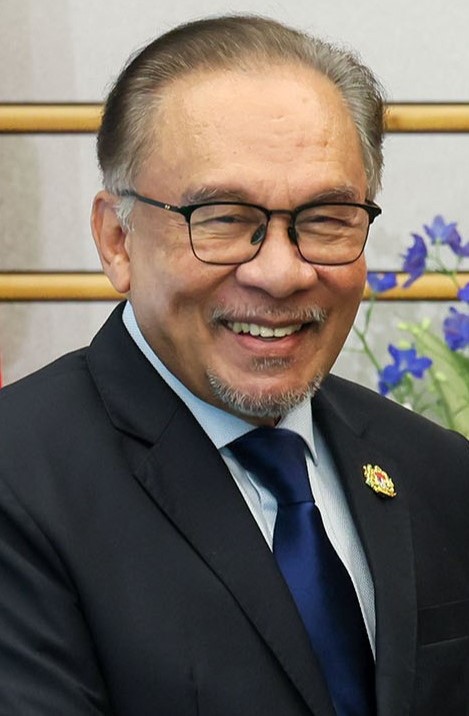
A Kedah state executive councillor is scheduled to be formally charged tomorrow in connection with allegations surrounding university admission procedures. The development marks a significant moment in what has become an increasingly contentious matter within the state's political establishment, with implications that extend beyond administrative concerns into questions of institutional integrity and public accountability.
Haim Hilman Abdullah, who holds the position of executive councillor in the Kedah state government, has signalled his determination to mount a robust defence against the charges. He has made clear his intention to continue articulating his position publicly, viewing his continued statements as essential to ensuring that what he describes as the truth comes to light through the judicial process. This stance reflects a broader pattern among Malaysian political figures who face accusations—the tendency to use public platforms to shape narratives while legal proceedings unfold.
The charges relate to claims concerning university admissions, a matter that touches on one of Malaysia's most sensitive policy areas. University placement decisions affect tens of thousands of Malaysian families annually, and any allegations of irregularity in the admission process carry significant political weight. The fact that such allegations involve a state-level executive councillor suggests the matter has escalated beyond routine administrative review, warranting the attention of prosecutorial authorities.
The timing of the charge is particularly noteworthy given Kedah's current political dynamics. The state has experienced considerable political flux in recent years, with government formations and coalition adjustments reshaping the balance of power. When controversies emerge within this context, they inevitably become entangled with broader factional interests, complicating the distinction between legitimate accountability mechanisms and political manoeuvring. Public perception of the case will likely depend on whether it is viewed as a genuine investigation into wrongdoing or as a manifestation of political rivalry.
University admission systems in Malaysia remain an area of persistent public concern. Despite repeated assurances from the Ministry of Higher Education and various universities about the transparency and fairness of selection criteria, periodic allegations of irregularities continue to surface. These range from claims of preferential treatment based on political connections to concerns about the weighting of various assessment components. Each such allegation, whether substantiated or not, erodes public confidence in institutions that are meant to serve as meritocratic gateways to higher education.
The manner in which Haim Hilman Abdullah chooses to defend himself will have ramifications beyond his individual case. His decision to continue public advocacy rather than observe restraint during the legal process reflects confidence in his position but also risks the accusation of attempting to influence perceptions through extra-judicial channels. In Malaysian political culture, such public assertions during pending legal cases often become rallying points for supporters and sources of controversy among critics, thereby intensifying the politicisation of what ought to be a straightforward legal matter.
For Malaysian observers concerned with governance and institutional credibility, the case highlights recurring tensions within the country's system. The executive and judicial branches maintain formal separation, yet cases involving political figures frequently draw scrutiny about whether legal action responds to genuine breaches of law or reflects political calculations. This ambiguity, whether justified or not, undermines public trust in both the legal system and the institutions whose integrity is supposedly being defended.
The charges against Haim Hilman Abdullah also occur against a backdrop of broader concerns about higher education access and equity in Malaysia. Rural and lower-income students, including many from Kedah, have long expressed frustration at perceived barriers to university admission. When allegations of procedural irregularities surface, they confirm suspicions among these communities that systemic advantages accrue to the well-connected. Whether or not the charges against the Kedah executive councillor prove substantive, they will inevitably reinforce such perceptions.
Looking ahead, the case will likely unfold slowly through Malaysia's judicial system. The charge tomorrow represents the formal commencement of proceedings, but resolution may take months or years. Throughout this period, Haim Hilman Abdullah's stated commitment to continued public advocacy will be tested against the practical and ethical constraints of ongoing litigation. His legal team will presumably advise restraint, yet his political instincts may pull toward maintaining a public presence.
For Kedah specifically, the matter represents another challenge to state governance and public confidence in decision-making processes. The state government will need to demonstrate that its institutions function with integrity regardless of the outcome of any individual legal case. This requires clear communication about university admission procedures, explicit safeguards against improper influence, and genuine accountability when irregularities are identified. Whether the Haim Hilman Abdullah case becomes a catalyst for such institutional strengthening or remains a isolated political incident will depend substantially on how transparently the matter is handled and how thoroughly the underlying allegations are investigated.