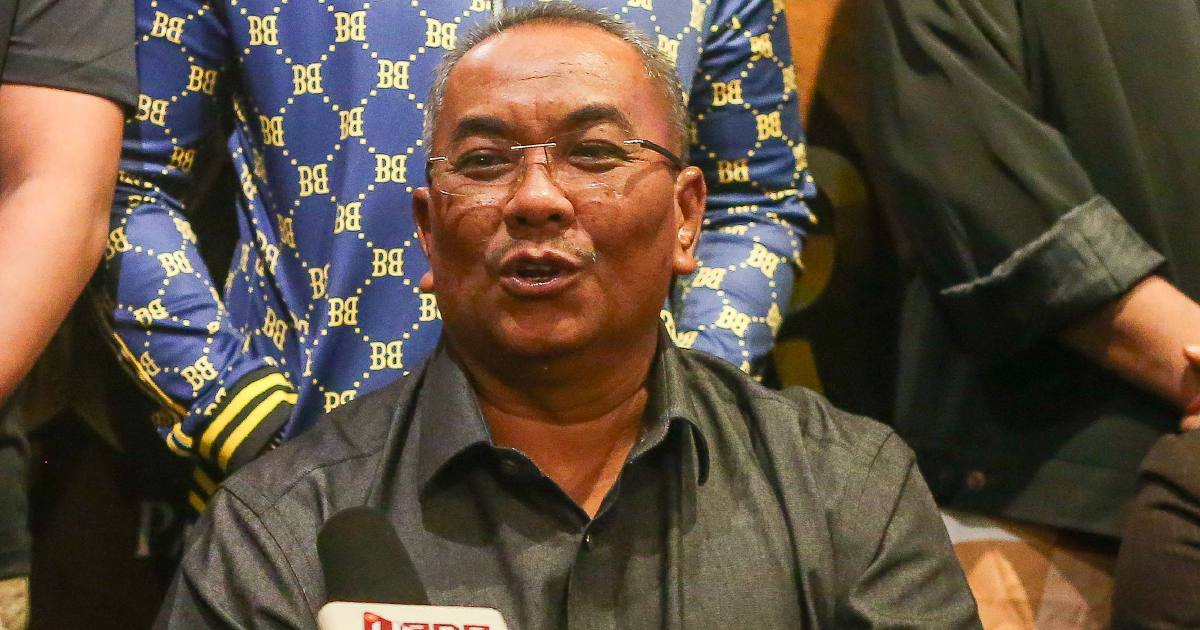
Kedah Menteri Besar Datuk Seri Muhammad Sanusi Md Nor has escalated a political dispute by formally serving letters of demand on DAP deputy chairman Nga Kor Ming and two others, accusing them of deliberately distorting remarks he made at a ceramah gathering in Negri Sembilan. The legal action represents an increasingly confrontational approach to settling political disagreements between Malaysia's major coalitions, signalling how sensitive statements made during election campaigns have become in the current political climate.
The dispute centres on what Sanusi allegedly said during the ceramah event, which his legal representatives now claim was misrepresented by Nga and the two unnamed co-respondents. While the specific nature of the purported distortion has not been detailed in the initial reports, the decision to pursue formal legal action rather than rely on public rebuttals underscores the seriousness with which the Kedah leader views the alleged mischaracterisation. Such disputes are becoming increasingly common in Malaysian politics, where campaign rhetoric regularly becomes the subject of legal action and public controversy.
The use of letters of demand represents a preliminary legal step that typically precedes more serious litigation. Such correspondence serves to formally notify recipients of alleged wrongdoing and demands restitution, retraction, or cessation of the offending behaviour within a specified timeframe. Recipients who ignore or reject these demands then face the prospect of civil or criminal action, making them a potent tool for public figures seeking to protect their reputation and political standing.
Nga Kor Ming, as DAP deputy chairman, holds a prominent position within Malaysia's second-largest opposition party and is a recognised political figure in his own right. His involvement in this matter draws national attention to what might otherwise be a localised political disagreement. The inclusion of two additional recipients alongside Nga suggests that the alleged misrepresentation may have been coordinated or involved multiple parties sharing the same narrative.
For Malaysian political observers, this incident reflects broader tensions between Malaysia's ruling coalitions and opposition forces, particularly involving the DAP, which has been a frequent target of legal action by politicians from both Pakatan Harapan and Perikatan Nasional-aligned figures. These disputes often emerge from campaign events where political rhetoric reaches heightened levels and claims become more inflammatory than in parliamentary or official settings.
The ceramah format has long been a feature of Malaysian political campaigning, offering politicians the opportunity to speak directly to supporters without the constraints of formal parliamentary procedure or media editing. However, this informal setting has also become a flashpoint for controversial statements that are subsequently reported, analysed, and contested by opposing politicians. The gap between what speakers intend and what audiences interpret, combined with how such statements are later reported and recirculated, creates fertile ground for disputes over accuracy and intent.
From a legal perspective, letters of demand in cases involving alleged misrepresentation typically require demonstrating that the original statements were materially false, that they were communicated to third parties, and that they caused identifiable harm to the reputation or interests of the person issuing the demand. The burden then shifts to the recipients to respond adequately, either by proving the accuracy of their claims or by demonstrating that their statements constitute fair commentary on matters of public interest.
The regional implications extend beyond Kedah's borders, as disputes involving senior figures like Sanusi and Nga inevitably attract scrutiny from stakeholders across Malaysia. Kedah, under Sanusi's leadership following his return to PAS and subsequent appointment as Menteri Besar, has become a key political battleground, particularly given the state's history of electoral competitiveness and its significance to both major coalitions. Any political tensions in Kedah therefore have potential consequences for broader coalition dynamics and state-level governance.
For the DAP, this action comes amid ongoing political competition for voter support and parliamentary representation. How the party and Nga respond to the formal demands will be closely monitored by both allies and opponents, as public disputes involving legal threats can shape perceptions of political credibility and willingness to stand firm on principles. The party's legal strategy in responding will likely reflect broader considerations about its political position and campaign messaging.
The practical timeline for resolution remains unclear, as Sanusi's legal team will have set specific deadlines for response in the letters of demand. If the recipients do not satisfy the demands within the stated period, the Kedah Menteri Besar may proceed with civil litigation, potentially seeking damages or injunctions to prevent further dissemination of the allegedly false statements. The eventual outcome could establish precedent for how Malaysian politicians pursue reputational disputes during the current political cycle.
This development underscores the increasingly litigious nature of Malaysian politics, where formal legal channels have become standard tools for settling disputes between political rivals. While such mechanisms can serve to uphold standards of accuracy and responsible political discourse, they also raise questions about whether they are sometimes employed as tools to suppress legitimate political criticism or debate, a tension that will likely persist as Malaysia's political system continues to evolve.

