The soil beneath our gardens teems with life—billions of beneficial microorganisms that sustain plant growth and ecosystem health. Yet this vital living system faces an invisible threat: microplastics, the tiny fragments created when plastic products deteriorate over time. These particles, now detected in drinking water, food, and even human tissue, have begun contaminating the very earth we depend on for cultivation. For Malaysian gardeners tending rooftop gardens, balcony plots, or backyard vegetable patches, understanding how plastic infiltrates garden systems and what steps can mitigate this problem is increasingly important as awareness of environmental degradation grows across Southeast Asia.
The plastics problem in gardening is far more pervasive than most gardeners realise. When we purchase seedlings in plastic trays, use synthetic pots for transplanting, or wrap our plants in plastic-based packaging, we initiate a chain of degradation that eventually contaminates soil. The plastic storage containers holding our potting mix, the polymer-based plant labels, the synthetic twine securing our climbing vegetables—all eventually fragment into microplastics that persist in the environment for decades. Unlike biodegradable matter that cycles through natural processes, these particles accumulate without decomposing, creating a long-term burden on soil microbiota and potentially entering our food supply through root uptake.
One of the most practical alternatives for serious gardeners is the soil-blocking system, which replaces conventional plastic trays entirely. These kits use metal moulds to compress a mixture of compost, peat moss, perlite, and nutrients into free-standing cubes that eliminate the need for containers altogether. Beyond environmental benefits, this method provides genuine horticultural advantages: seedlings develop stronger, denser root systems because the exposed edges of soil blocks cause roots to undergo air-pruning, where they cease elongating and instead branch more prolifically. When transplanted into gardens, these sturdier specimens establish themselves more rapidly and with less transplant shock than conventionally potted plants. For the gardener less inclined toward DIY projects, biodegradable alternatives made from coconut coir fibres or composted manure offer similar environmental credentials while requiring no special setup.
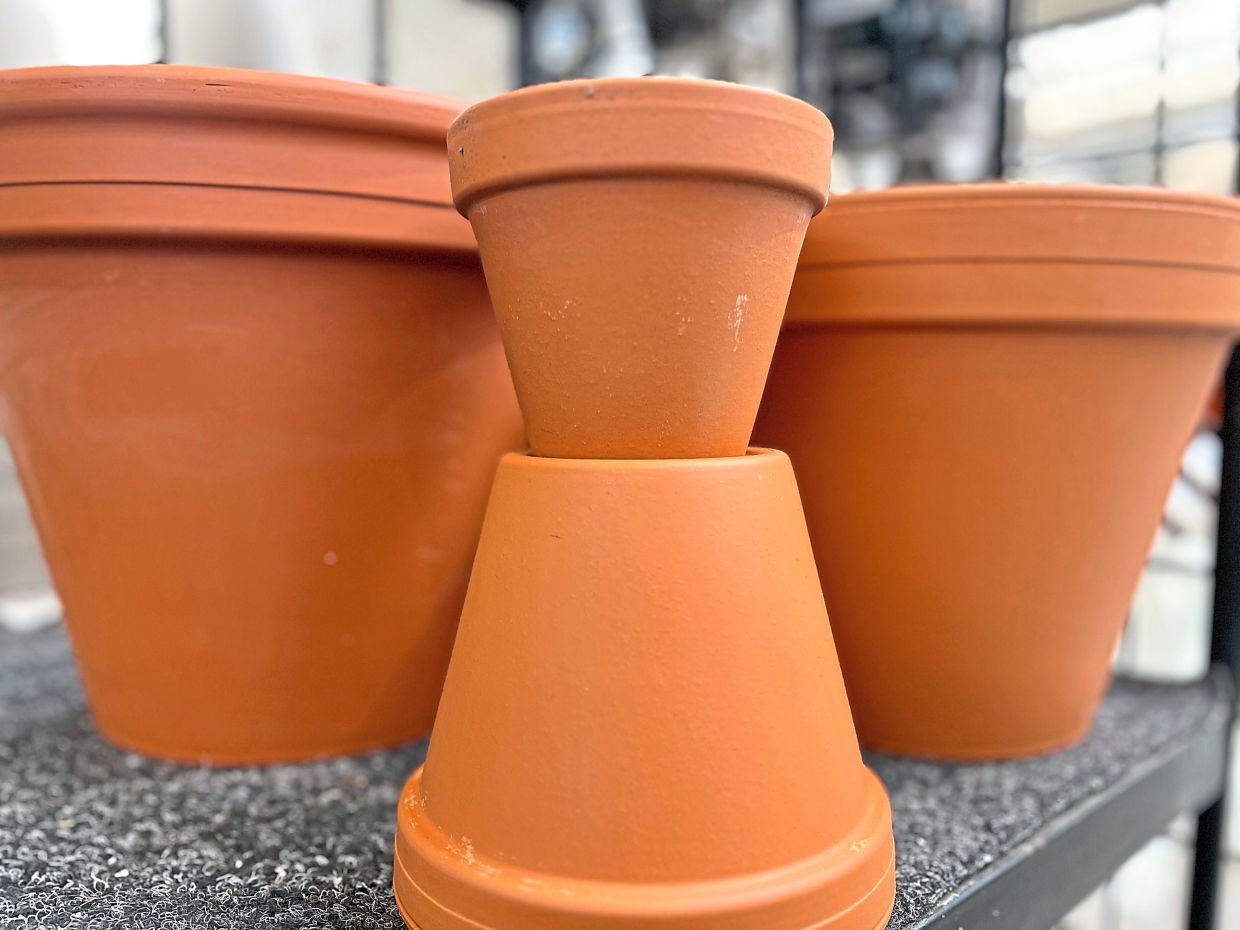
The choice of container materials extends beyond seedling trays to permanent planting vessels. Terracotta pots, wooden planters, and natural fabric grow bags present sustainable options for growing everything from herbs and root vegetables to flowering ornamentals. Fabric grow bags deserve particular mention because they are increasingly available in sizes suitable for various plants, including specialised versions for potatoes featuring convenient roll-up access doors for harvesting. When selecting such containers, Malaysian gardeners should scrutinise product labels to confirm natural fibre construction rather than synthetic polymers, as some bags marketed as eco-friendly may still contain microplastic-prone synthetic materials. Terracotta, while fragile and requiring more careful handling in tropical climates with temperature fluctuations, remains an excellent long-term investment that improves aesthetically as it ages.
Purchasing decisions at the nursery level significantly influence plastic consumption in home gardens. Opting for bare-root plants instead of those sold in plastic containers eliminates packaging waste entirely, though this option requires more careful handling during transport and establishment. Many specialist growers and farmers' markets in urban Malaysian centres increasingly offer bare-root options, particularly during seasonal planting periods. This practice, long standard in commercial horticulture, deserves wider adoption among home gardeners willing to invest slightly more care in the transplanting process. The environmental and economic benefits—reduced plastic waste, lower nursery production costs, and healthier plant root systems—make this shift worthwhile for dedicated cultivators.
Soil amendment practices profoundly shape the plastic content of garden systems. Home composting represents perhaps the most transformative intervention available to gardeners, simultaneously reducing plastic-bagged soil purchases, eliminating packaging waste, and improving soil quality through recycled organic matter. Creating a compost pile from kitchen scraps and garden waste provides complete transparency regarding soil amendment composition while requiring minimal space in Malaysian gardens. For those unable to maintain compost systems, bulk compost purchases from local suppliers prove both more economical and environmentally preferable to individually bagged products, as they reduce plastic packaging per volume of product. This practice also supports local horticultural enterprises and reduces transportation-related emissions compared to smaller packaged alternatives.
Garden infrastructure choices extend the microplastic reduction philosophy beyond planting containers to protective and supportive elements. Canvas tarps offer weather protection comparable to plastic alternatives while remaining fully biodegradable, though they require more diligent maintenance in humid tropical environments. Landscape fabric, commonly deployed beneath garden beds to suppress weeds, typically contains plastic polymers that fragment over time and contaminate soil for years; natural alternatives including shredded bark, wood chips, and dried leaves provide equivalent weed suppression while enriching soil as they decompose. In fire-prone regions—a consideration for some Malaysian areas during dry seasons—gravel mulches provide the necessary safety barrier without environmental drawbacks.
Plant support systems and garden markers offer numerous opportunities for substitution. Bamboo stakes, increasingly available in Malaysia due to regional cultivation, provide sturdy support for climbing vegetables and flowering plants while remaining fully compostable. Natural twine made from hemp or jute secures plants effectively without introducing synthetic materials, and these materials are readily sourced from horticultural suppliers across Southeast Asia. Simple wooden popsicle sticks serve as plant markers far more durably than plastic equivalents, and their composability at season's end eliminates disposal challenges. These seemingly minor substitutions accumulate into substantial plastic reduction when viewed across an entire growing season.
When plastic purchases prove unavoidable—as occasionally happens despite best intentions—gardeners should prioritise durability and multiple-season utility over convenience. Single-use plastic trays designed for one-season operation represent precisely the throwaway culture driving global microplastic proliferation. Investing in sturdy, high-quality plastic containers that endure for many years before requiring disposal represents an incremental improvement, though it remains secondary to embracing non-plastic alternatives. The cumulative impact of hundreds of thousands of gardeners making such conscious substitutions across Malaysia and Southeast Asia could substantially reduce plastic contamination entering agricultural systems, ultimately protecting both soil ecosystems and the food security of communities dependent on these living soils.

