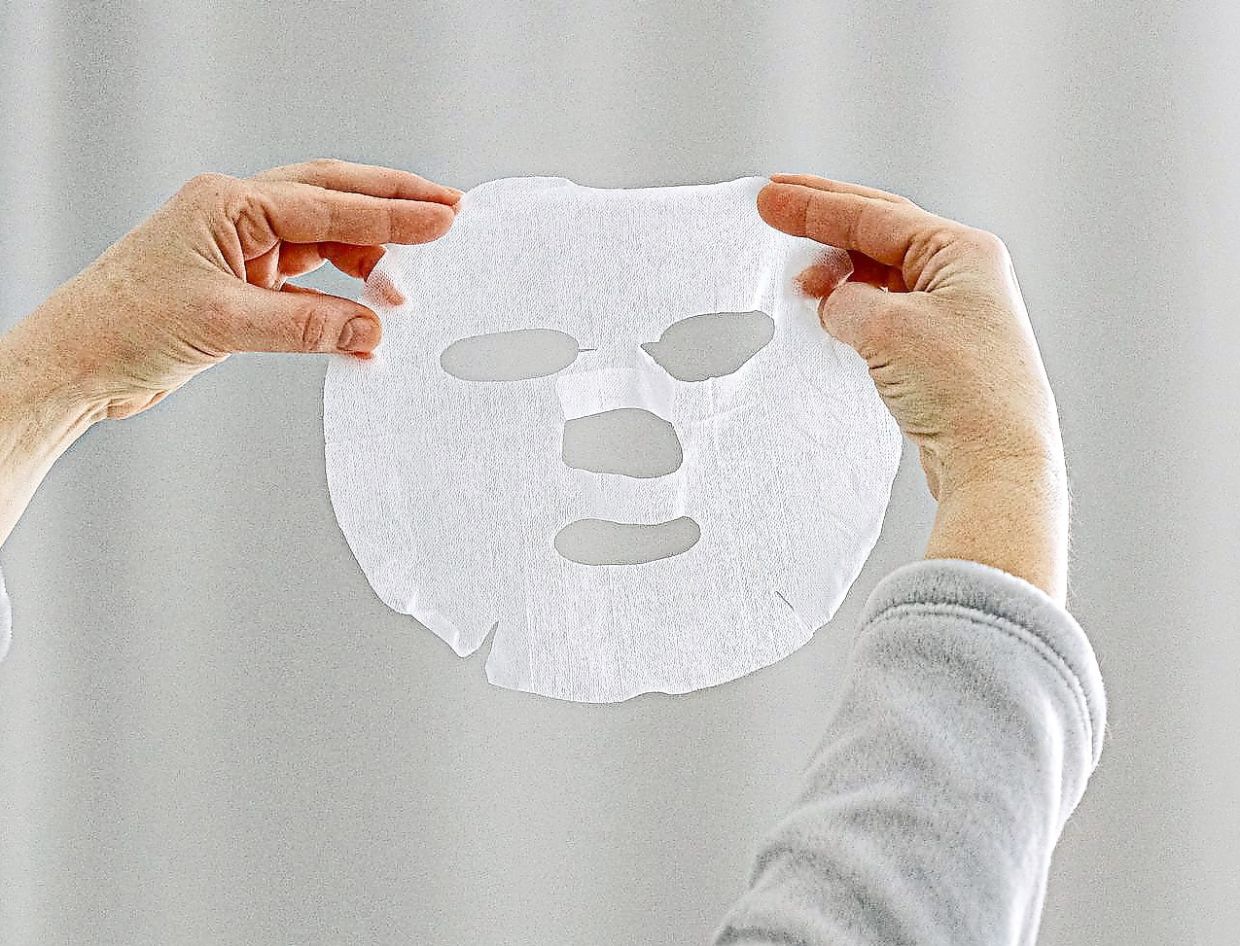
The challenge of maintaining healthy skin during air travel has become increasingly recognised among frequent flyers across Southeast Asia, where many undertake regular long-haul journeys to Europe, the United States, and Australia. The dramatic shift in environmental conditions experienced at cruising altitude creates conditions far harsher than most ground-level environments, yet most passengers remain unaware of the specific mechanisms at work or how to properly counteract them.
The culprit behind in-flight skin deterioration lies in the cabin's exceptionally low humidity levels. Dr Azadeh Manesh, a dermatologist at a London skin clinic, notes that whilst normal ground-level environments typically maintain humidity between 40 and 60 percent, aircraft cabins operate at merely 10 to 20 percent humidity. This dramatic reduction triggers what specialists call transepidermal water loss, whereby the skin's outer layers experience accelerated moisture depletion. The visible consequences manifest as skin tightness, visible dehydration, and a lacklustre complexion that can persist for days after landing.
Long-haul flights pose significantly greater challenges to skin health than short regional journeys. Dr Bernard Ho, a consultant dermatologist and representative of the UK's Skin Health Alliance, emphasises that extended flight durations warrant deliberate in-flight intervention strategies. However, Ho underscores that successful skin management extends beyond simply applying products mid-flight. The approach requires a three-phase strategy encompassing pre-flight preparation, active management during the journey, and post-flight recovery, with each stage equally important to achieving optimal results.
Pre-flight skin preparation deserves particular attention. Dermatologists recommend adjusting your skincare regimen several days before departure by increasing moisturising products whilst eliminating potentially drying ingredients. Specifically, Ho advises avoiding active compounds such as alpha-hydroxy acids (AHAs), beta-hydroxy acids (BHAs), and retinol for at least 24 to 48 hours prior to flying. Many people mistakenly assume oily skin requires continued use of these exfoliating and clarifying agents during air travel, but paradoxically, the low-humidity environment shifts the primary concern from excess oil production to acute dehydration, making moisture retention the overriding priority.
The elaborate multi-step skincare routines frequently showcased across social media platforms like Instagram and TikTok, whilst visually compelling, often prove impractical and counterproductive in aircraft environments. Ho cautions against overcomplicating in-flight skincare, citing both the sanitary considerations inherent to aeroplane cabins and the reality that excessive product layering can overwhelm the skin's barrier function, paradoxically increasing sensitivity. He personally employs micellar water applied to cotton pads for efficient facial cleansing, followed by a straightforward moisturiser application—an approach both practical and effective within the aircraft's confined spaces.
Dr Manesh reinforces this minimalist philosophy, cautioning that a common mistake involves "overloading the skin" with multiple products, which frequently triggers heightened sensitivity and potential congestion. Her recommended routine comprises three essential components: a hydrating serum, a rich moisturiser to seal in hydration, and an SPF product for daytime flights, with sunscreen reapplication every four to five hours. This streamlined approach prioritises the skin's fundamental hydration needs without introducing unnecessary complexity or potential irritants.
The selection of active ingredients matters considerably when choosing specific products. Humectants—substances that attract and bind water molecules—form the backbone of effective in-flight skincare. Glycerin and hyaluronic acid represent the most well-established humectants, with hyaluronic acid particularly valued for its capacity to retain moisture within the skin's outer layers. Panthenol, another humectant with additional moisturising properties, continues gaining recognition. Emerging ingredients like ectoin demonstrate barrier-enhancement and anti-inflammatory characteristics, whilst ceramides support the skin's protective lipid layer. Ho notes that whilst these ingredients each offer specific benefits, fundamentally any moisturiser provides better protection than none during flight.
The critical distinction between sealing hydration and merely applying moisturiser cannot be overstressed. Dr Manesh emphasises that simply layering a hydrating serum onto the skin without applying a rich moisturiser afterwards proves insufficient, as the low-cabin humidity continues drawing moisture outward. A robust moisturiser creates an occlusive barrier that prevents transepidermal water loss, effectively trapping the beneficial hydration delivered by serums. This layering sequence—hydration, then occlusion—represents the fundamental principle underlying successful in-flight skincare.
Beyond topical skincare, systemic hydration plays an equally vital role in combating in-flight dehydration. Both dermatologists strongly recommend consuming substantial quantities of water throughout the flight whilst actively avoiding alcohol and salty snacks, both of which exacerbate the body's overall dehydration. This internal approach complements external skincare efforts, addressing skin dryness from multiple angles simultaneously. The cumulative effect of adequate water consumption combined with targeted skincare proves far more effective than either strategy in isolation.
Sunscreen application deserves particular emphasis for daytime flights, as the altitude actually increases UV radiation exposure despite the cabin's interior location. Ho notes that many passengers defer sunscreen application until reaching their destination, but applying it before disembarking provides immediate protection during ground-level activities when UV intensity peaks. This timing consideration proves especially relevant for travellers heading to tropical Southeast Asian destinations or sunny holiday locations where UV exposure intensifies upon arrival.
One frequently employed product that Dr Manesh specifically recommends eliminating is makeup remover wipes, which paradoxically intensify transepidermal water loss through their mechanical action and chemical composition. The rubbing motion and solvents combine to strip away protective lipids, worsening the dryness already induced by cabin conditions. This represents an important counterintuitive finding that contradicts common assumptions about in-flight grooming practices.
For Malaysian and Southeast Asian travellers undertaking frequent regional and international flights, adopting these evidence-based skincare approaches yields noticeable improvements in post-flight skin condition. The tropical climate of home countries, combined with air-conditioned aircraft environments, creates particular challenges for maintaining skin integrity. By understanding the physiological mechanisms at work and implementing dermatologist-endorsed strategies—prioritising hydration, simplifying routines, and avoiding drying actives—frequent flyers can substantially mitigate the visible aging effects and discomfort associated with air travel.

