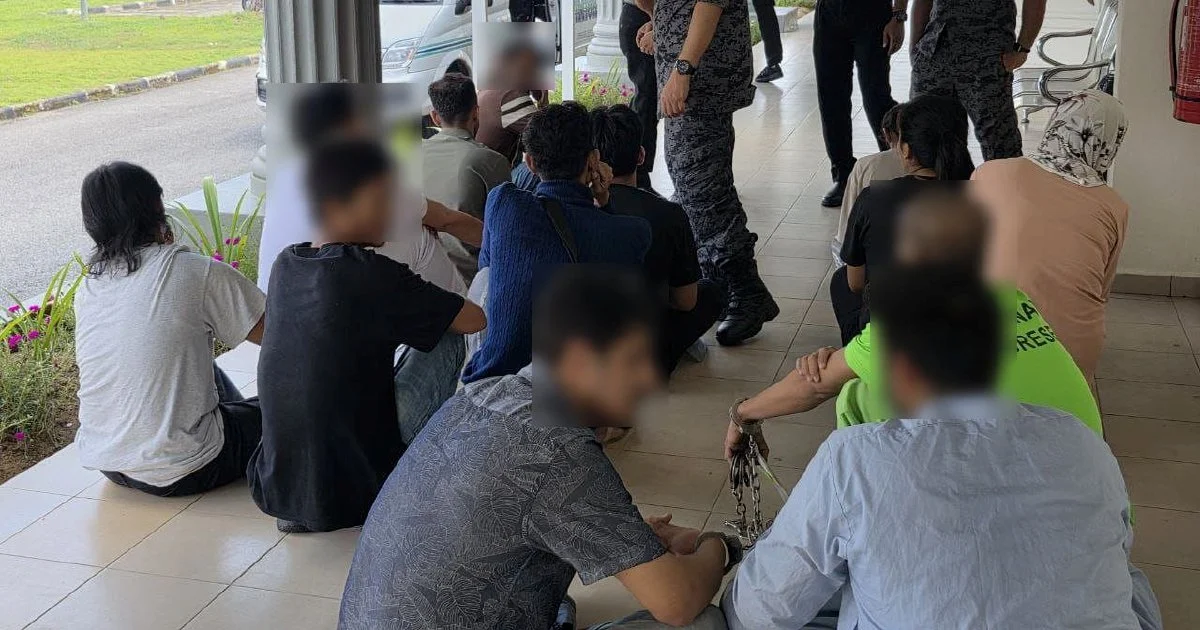
Twelve undocumented migrants appeared before the Sessions Court in Pasir Mas today to face charges stemming from their illegal presence in Malaysia, with three of the accused being women. The group was prosecuted under immigration laws addressing illegal entry, unlawful residence beyond visa validity periods, and improper use or misrepresentation of travel documentation. This enforcement action underscores the persistent challenges Malaysian authorities confront in managing irregular migration across the country's borders.
The charges brought against the accused individuals reflect violations under Malaysia's Immigration Act, which carries specific penalties for each category of transgression. Illegal entry typically refers to crossing national borders without passing through designated entry points or without required authorisation from immigration officials. Overstaying constitutes remaining in Malaysia beyond the period authorised on an individual's entry stamp or visa, while misuse of passes involves either using another person's travel document, altering documents, or presenting false identification to immigration authorities.
Kelantan, situated along Malaysia's northern border with Thailand, has long served as a significant transit point for irregular migration flows within Southeast Asia. The state's geographical position, combined with its extensive coastline and less densely monitored rural areas, makes it particularly vulnerable to unauthorised crossings. Over the past decade, authorities have intensified enforcement operations in the state as part of broader national efforts to secure Malaysia's borders and manage the estimated two million undocumented foreign nationals believed to be residing in the country.
The presence of women among those charged highlights a notable dimension of irregular migration patterns. Female migrants often face heightened vulnerabilities throughout their journeys, including exploitation by smuggling networks and trafficking organisations. Their prosecution in formal court proceedings, while necessary for maintaining legal order, also raises questions about the underlying circumstances that drove their illegal entry—whether they were fleeing conflict, economic hardship, or trafficked against their will by criminal networks.
Malaysia's approach to immigration enforcement has evolved considerably over recent years. Beyond prosecutions, authorities have implemented more comprehensive strategies including workplace raids, detention facility improvements, and cooperation with regional partners through initiatives such as the ASEAN Coordinating Centre on Migrant Workers. The court proceedings in Pasir Mas reflect the judicial component of this multifaceted approach, where convicted individuals typically face fines, imprisonment terms, or both, followed by deportation upon sentence completion.
The economic implications of irregular migration remain significant for Malaysia's labour market and public services. Undocumented workers contribute substantially to sectors including construction, agriculture, and domestic services, often accepting wages and conditions that undercut formal employment standards. This dynamic creates complex policy challenges: while illegal workers depress wages for Malaysian citizens and create unfair competition for registered employers, the sudden removal of large migrant populations could disrupt economic activity in certain industries heavily reliant on foreign labour.
Regional cooperation has become increasingly important in addressing transnational migration issues. Thailand, Myanmar, and other neighbouring countries face similar challenges with undocumented populations. Intelligence sharing between immigration authorities, joint border patrols, and coordinated prosecution efforts have shown modest success in disrupting trafficking networks and reducing irregular crossings. However, deeply entrenched poverty and conflict in origin countries continue to drive migration despite enforcement efforts.
The identities and nationalities of the accused individuals remain undisclosed in available reports, though Kelantan's position typically results in a significant proportion of cases involving migrants from Myanmar, Bangladesh, Indonesia, and the Philippines. Each nationality group faces distinct challenges and circumstances that influence their migration decisions. Myanmar nationals, for instance, increasingly flee political instability and economic collapse, while workers from Bangladesh and Indonesia often pursue economic opportunities despite knowing the risks of illegal employment.
Future trends in Malaysian immigration enforcement will likely emphasise technology integration, including biometric systems and digital documentation, to reduce fraudulent document use and improve border surveillance capabilities. The government has announced intentions to modernise its immigration infrastructure, though implementation timelines and funding remain subjects of ongoing policy discussion. Enhanced digital systems could theoretically improve detection of illegal entrants while simultaneously streamlining legitimate processing.
The conviction and sentencing phase will determine the specific penalties imposed on these twelve individuals. Typical sentences for immigration violations range from fines of several hundred to several thousand ringgit, imprisonment periods of up to six months or longer depending on violation severity, or combinations thereof. Following judicial proceedings, authorities generally arrange deportation through bilateral arrangements with origin countries, though bureaucratic delays and documentation challenges sometimes complicate timely repatriation.
For Malaysian business operators and employers, these prosecutions serve as reminders that engaging undocumented workers carries substantial legal risks. Employment of illegal migrants exposes employers to significant fines and potential imprisonment. The government continues emphasising that legitimate foreign worker programmes provide legal pathways for hiring overseas labour while ensuring worker protections and fair wage standards for both foreign and Malaysian employees.

