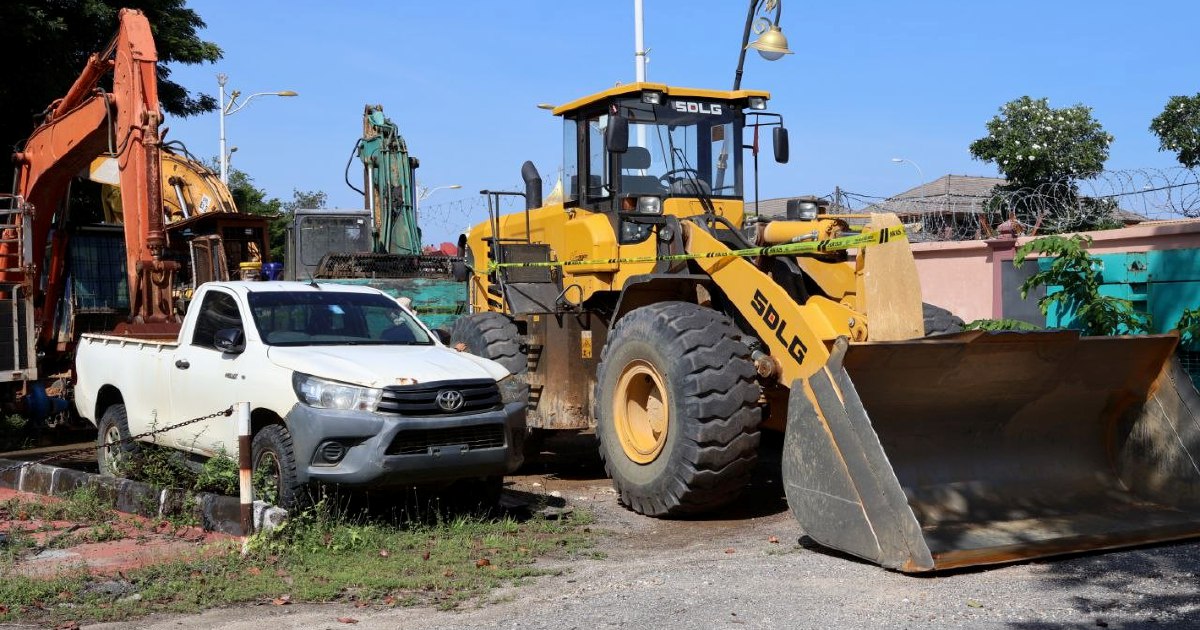
Kelantan state authorities have launched a formal inquiry into a large-scale illegal gold extraction operation discovered in Gua Musang, a district in the state's interior known for its mineral resources. The investigation was triggered after enforcement officers seized heavy industrial machinery and equipment worth RM4.2 million at the site, signalling what officials describe as a sophisticated unauthorised mining venture.
The discovery underscores a persistent challenge facing Malaysian regulators: the prevalence of uncontrolled mining activities operating beyond the reach of formal oversight. Gua Musang, despite its geographical isolation, has emerged as a focal point for such operations, attracting individuals and syndicates willing to exploit its vast natural wealth without proper licensing or environmental safeguards. The scale of the seized equipment—reaching well into the millions of ringgit—suggests involvement of organised operations rather than small-scale artisanal efforts.
Illegal mining in Malaysia carries significant consequences beyond immediate law enforcement concerns. Environmental degradation from unregulated extraction can contaminate groundwater sources, damage soil quality, and disrupt ecosystems that support local communities. Kelantan, which has a substantial rural population dependent on agriculture and forestry, faces particular vulnerability to environmental fallout from mining activities that sidestep mandatory environmental impact assessments and management protocols.
The operation's discovery reflects broader challenges in resource management across Southeast Asia, where border regions and remote areas frequently become magnets for illicit extraction enterprises. These ventures typically operate with minimal workforce oversight, expose labourers to hazardous conditions without safety protections, and generate economic benefits that escape into shadow networks rather than contributing to state coffers or community development. The machinery seizure indicates this was no small operation—such equipment typically represents capital investment requiring planning and logistics.
For Kelantan specifically, the incident arrives amid growing scrutiny of mining sector compliance across Malaysia's states. The state government's decision to formally investigate rather than simply confiscate equipment reflects heightened awareness that understanding the operation's financing, management structure, and distribution networks remains essential for dismantling similar enterprises. Authorities will likely examine the timeline of the operation, identify potential beneficiaries, and assess connections to broader illegal resource networks that may extend across state boundaries or even into neighbouring countries.
The financial dimension of the seizure—RM4.2 million—underscores the substantial value locked in mining equipment and explains why these operations attract persistent interest despite regulatory risks. A single successful extraction cycle can yield returns vastly exceeding equipment costs, creating powerful incentives that neither criminal penalties nor equipment seizures have entirely eliminated. This economic calculus remains a central factor driving syndicates to continue attempting illegal operations despite enforcement pressure.
The investigation's progress will likely hinge on establishing supply chains: how materials and equipment reached the site, which parties financed the operation, and where extracted gold was processed or sold. These supply chain links often prove more valuable to authorities than the site itself, as disrupting distribution networks proves more effective than addressing individual extraction points. Malaysian law enforcement has increasingly recognised that comprehensive action against illegal mining requires tracing money flows and identifying middlemen and buyers.
Regional implications extend beyond Kelantan, as illegal mining practices in one state create competitive pressure on licensed operators and generate spillover effects on neighbouring jurisdictions. Sabah and Sarawak have confronted similar challenges, and the interconnectedness of Malaysia's mining landscape means enforcement action in one area may displace rather than eliminate problematic activities. Effective solutions require coordination across state boundaries and sustained pressure on demand for gold from unverified sources.
For Malaysian readers, the incident highlights the hidden costs of unregulated resource extraction that operates beneath official statistics. While legitimate mining contributes to national revenue and employment, illegal operations appropriate resources without returning value to state budgets or communities. Consumers and investors increasingly recognise supply chain risks associated with gold from unknown origins, making transparency increasingly valuable in competitive global markets.
Kelantan's investigation will determine whether this operation represents an anomaly or symptom of broader systemic challenges in monitoring remote areas. The state government's formal approach signals commitment to comprehensive accountability rather than temporary disruption, though success ultimately depends on sustained enforcement capacity and integration of intelligence from multiple agencies. The RM4.2 million machinery seizure provides a starting point, but the investigation's true measure will emerge from whether authorities can map the operation's fuller structure and prevent rapid reconstitution of similar ventures.

