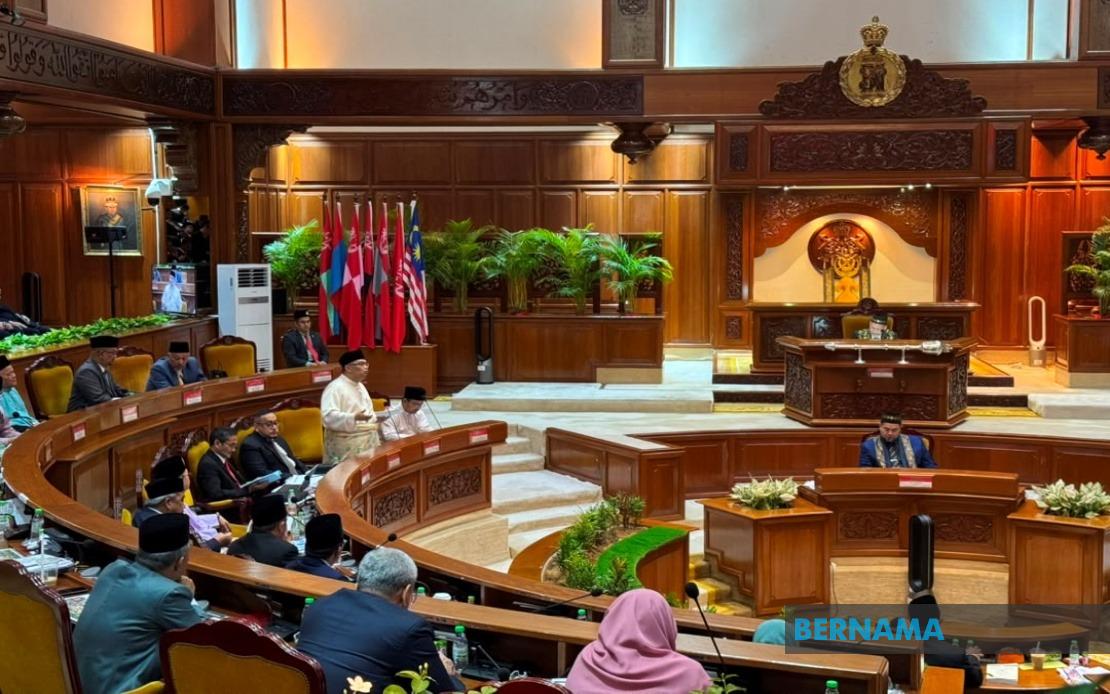
The Kelantan State Legislative Assembly has unanimously approved the Syariah Criminal Offences (Kelantan) Bill 2026, a comprehensive overhaul of the state's Islamic criminal justice framework designed to enhance clarity, consistency, and effectiveness. The legislation represents a significant modernisation of Kelantan's approach to Syariah law enforcement, incorporating contemporary restorative justice principles alongside traditional punitive measures. Kelantan Deputy Menteri Besar Datuk Dr Mohamed Fadzli Hassan outlined the bill's principal objectives during discussions with media, emphasising how the reforms strengthen the existing legal architecture while introducing progressive elements that reflect evolving thinking about religious offences.
At the heart of the new legislation lies a restorative sentencing mechanism that fundamentally shifts how community-based consequences are administered. Rather than following open-ended timelines, offenders sentenced to community service must now complete their obligations within a strictly defined one-year period. This temporal boundary creates clarity for both offenders and implementing authorities, eliminating ambiguity about sentence completion and potentially facilitating better supervision and rehabilitation outcomes. The restorative approach signals recognition that not all Syariah offences require purely punitive responses, particularly for less severe infractions where rehabilitation and community reintegration might serve religious objectives more effectively than traditional penalties.
A second major reform concerns compoundable offences, which permit settlement of certain violations outside formal court proceedings. Under the new bill, the Sultan of Kelantan gains authority to specify which offence categories qualify for compounding, establish procedural requirements for such settlements, and determine relevant documentation standards through gazzetted orders. This mechanism offers flexibility in the justice system, allowing minor infractions to be resolved through negotiation and compensation rather than prolonged litigation. For individuals, this potentially reduces the burden of extended criminal proceedings, though it simultaneously requires robust safeguards to ensure that compounding arrangements genuinely serve justice and do not permit affluent offenders to circumvent accountability that poorer individuals cannot afford.
The bill significantly elevates penalty structures for serious violations, with whipping emerging as the prioritised punishment for particularly grave offences. Enhanced penalties target attempted apostasy, neglect of children's religious upbringing, violations regarding modesty and bodily privacy, consumption of intoxicating substances, gambling, illicit sexual relations, and out-of-wedlock pregnancies. This escalation reflects Kelantan's determination to strengthen enforcement of core Islamic principles, particularly regarding sexual morality and religious observance. The emphasis on whipping rather than imprisonment for these categories reflects both Islamic jurisprudential tradition and practical considerations about prison overcrowding, though it remains controversial among human rights advocates and certain religious scholars who question whether physical punishment aligns with contemporary standards of criminal justice.
The legislation introduces six entirely new offence provisions, substantially expanding the scope of Syariah criminal law. Clause 10 criminalises the neglect or abandonment of mandatory prayers, establishing a positive obligation toward religious observance that previously lacked explicit criminal codification. Clauses 15 and 16 address privacy and bodily integrity respectively, distinguishing between violations of private parts and other body parts, potentially creating differentiated penalty structures. Clause 33 introduces protection of intellectual faculties from harmful substances or practices, extending criminal law into domains concerning mental and psychological wellbeing. These additions reflect an expansive understanding of Islamic criminal law's scope, potentially impacting lifestyle choices and personal conduct beyond traditionally regulated categories.
Significant portions of the bill involve repealing and reconstituting existing provisions to enhance their systematisation and clarity. The framework governing desecration or destruction of places of worship has been substantially revised, with the new Clause 12 specifically addressing disturbance of Muslim places of worship. This reformulation likely tightens definitions and potentially broadens or narrows applicability depending on specific wording changes. Similarly, provisions previously addressing sodomy under the 2019 enactment have been repealed and replaced through Clauses 15 and 16, which employ language emphasising the obligation to guard private parts and bodily integrity. This terminological shift may reflect efforts to reframe criminal liability in terms of positive religious duties rather than solely condemning specific acts, subtly altering both the legal logic and perceived moral foundations of these prohibitions.
The bill's structural architecture encompasses nine distinct parts and sixty-two clauses, indicating comprehensive and methodical legislative drafting that addresses multiple dimensions of Syariah criminal justice. The inclusion of a schedule suggests provisions regarding offence classifications, sentencing guidelines, or procedural matters requiring detailed specification. This expansive framework signals legislative ambition to create a more systematised and internally coherent code than previously existed, potentially facilitating more consistent application across different magistrates and enforcement authorities. For legal professionals and litigants, improved systematisation should theoretically enhance predictability, though the actual impact depends on implementation quality and judicial interpretation of ambiguous provisions.
The compounding provisions deserve particular scrutiny given their implications for access to justice and equality before law. Clauses 59 and 60 establish mechanisms permitting compounding of Syariah offences and specify authorities empowered to authorise such arrangements. While offering flexibility and reducing court burden, compounding systems risk creating justice outcomes dependent on financial capacity. Wealthy offenders might readily settle violations, while impoverished individuals proceed through formal adjudication. Furthermore, if compounding arrangements remain confidential, they may escape public accountability that formal trials provide, potentially obscuring patterns of systematic violations or biased enforcement. The bill's silence on transparency requirements and safeguards against discriminatory compounding raises important governance questions.
The unanimous parliamentary approval indicates substantial political consensus around the bill's reforms across Kelantan's legislative membership, suggesting the legislation reflects broad Islamic conservative perspectives rather than factional disagreement. This consensus might facilitate implementation but could also indicate insufficient critical scrutiny of potential human rights implications or unintended consequences. The bill's passage without recorded dissent suggests limited parliamentary debate about the expanded scope of criminal liability or the implications of creating new offences around prayer obligation and bodily integrity concepts.
From a regional perspective, Kelantan's reforms occur within Malaysia's broader landscape of varying state-level Syariah law development. The bill demonstrates how individual states exercise constitutional authority to shape Islamic criminal justice frameworks independently. This decentralised approach creates significant variation across Malaysia's peninsular states, producing a patchwork of differing penalties, offence definitions, and procedures. Individuals' criminal liability and punishment severity may vary substantially depending on state residence, raising concerns about equal citizenship and legal predictability. The bill also reflects ongoing tensions between progressive and conservative visions of Islamic law's role in modern governance.
Implementation challenges will significantly determine whether the bill achieves its stated objectives of enhancing systematisation and effectiveness. Kelantan's religious courts and enforcement authorities require training regarding new offence categories, revised procedures, and restorative sentencing guidelines. Judicial consistency in interpreting novel concepts like intellectual protection obligations and determining appropriate whipping sentences requires clear benchmarking. Public education campaigns may prove necessary to inform citizens about new criminal prohibitions, particularly regarding prayer obligation enforcement. Resource constraints affecting Kelantan's justice system could limit capacity to effectively administer these expanded responsibilities.
The bill's long-term impact on Kelantan society remains uncertain. Supporters anticipate stronger religious compliance and moral standards through enhanced legal deterrence. Critics worry about privacy intrusions, disproportionate impacts on marginalised communities, and potential gender dimensions if enforcement patterns disproportionately target women regarding sexual morality provisions. The emphasis on whipping raises humanitarian concerns given evidence suggesting physical punishment's limited deterrent efficacy and documented psychological consequences. Monitoring implementation outcomes across coming years will provide crucial data about whether the reforms genuinely enhance religious observance and community welfare or primarily increase criminal justice system burdens without corresponding benefits.

