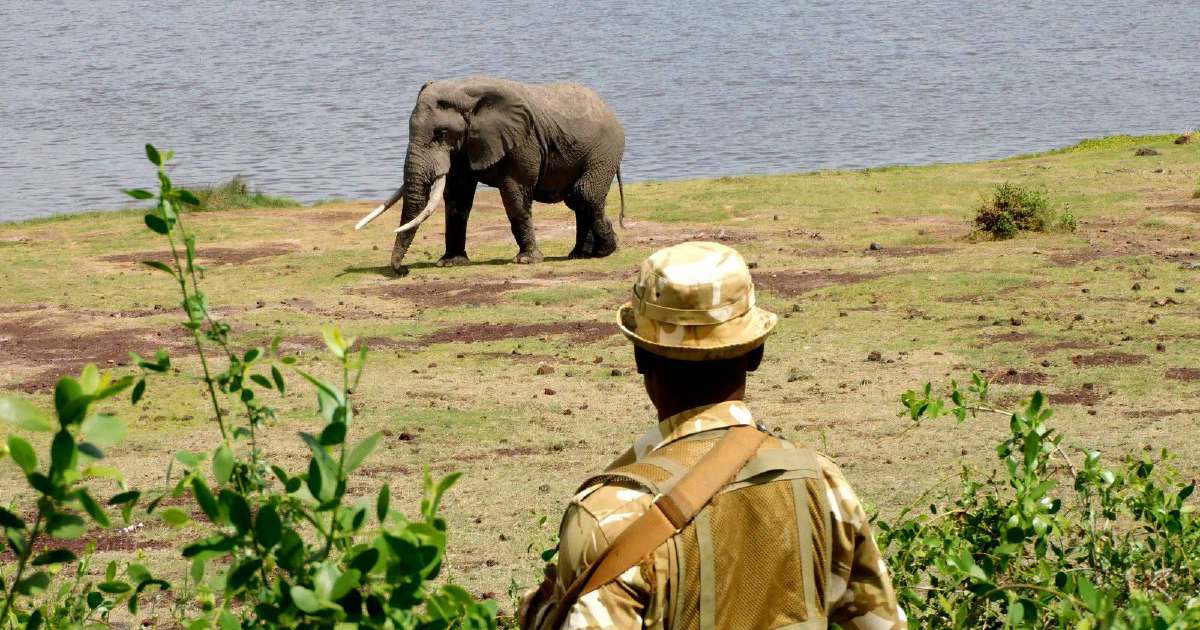
Kenya's wildlife authorities have opened a formal investigation into a troubling spike in elephant deaths at Amboseli National Park, where 15 animals perished over the course of just one month. The Kenyan Wildlife Service announced the probe on Tuesday, signalling the seriousness with which officials are treating the unexplained fatalities.
The sudden nature of the deaths has raised alarm among conservationists and park managers, who fear the losses could indicate a widespread threat affecting the park's iconic elephant population. Amboseli, situated in southern Kenya near the Tanzanian border, is one of East Africa's most important elephant habitats and has long served as a flagship site for understanding the species' behaviour and ecology. The concentration of mortality in such a brief period suggests the animals may have succumbed to a common cause rather than natural attrition.
For Malaysia and other Southeast Asian nations with elephant populations, such incidents carry cautionary weight. While Amboseli's elephants are African species facing distinct ecological challenges, the underlying principles governing elephant health and herd dynamics remain relevant across continents. Disease outbreaks, environmental contamination, and resource scarcity can affect elephant populations anywhere, making Kenyan findings potentially instructive for regional wildlife managers monitoring Asian elephant herds in Thailand, Myanmar, and Malaysia itself.
The investigation is crucial because it may reveal whether a contagious disease is responsible for the deaths. Anthrax, which periodically emerges in African wildlife, has been suspected in past elephant die-offs. Other possibilities include poisoning from contaminated food or water sources, nutritional deficiency caused by drought or vegetation loss, or toxic exposure from human activities near the park. Until preliminary findings emerge, park authorities remain in a state of heightened alert.
Amboseli's elephant population has historically fluctuated based on environmental conditions and human-wildlife conflict. The park occupies a unique ecological niche where pastoral communities coexist with wildlife, and resource competition has intensified as climate variability becomes more pronounced. The loss of 15 breeding-age animals in a single month represents a potentially significant setback to population stability, particularly if females constitute a substantial portion of the deceased.
The investigation will likely involve veterinary pathology, water quality testing, forage sampling, and epidemiological analysis to trace the geographic and temporal distribution of deaths. Kenyan Wildlife Service teams will examine carcasses for signs of disease, trauma, or toxins whilst simultaneously assessing environmental conditions at feeding and watering sites. This methodical approach is essential for distinguishing natural mortality from human-caused harm or emerging pathogens.
The timing of the incident intersects with broader concerns about wildlife conservation in East Africa. Poaching remains a persistent threat to elephant populations across the region, though direct poaching typically leaves forensic evidence. The current scenario—multiple deaths without clear external cause—presents investigators with a more elusive puzzle that demands rigorous scientific methodology.
For regional stakeholders, the Amboseli investigation underscores the importance of maintaining robust wildlife monitoring systems and rapid-response protocols. Malaysia's own elephant populations, concentrated primarily in Peninsular Malaysia and Sabah, face habitat fragmentation and human-elephant conflict issues that differ from Kenyan circumstances yet underscore the fragility of these charismatic megafauna. Any disease outbreak affecting elephant populations, regardless of geography, warrants international attention given the species' protected status and ecological importance.
The Kenyan Wildlife Service's transparency in announcing the investigation reflects growing recognition that wildlife health crises demand public acknowledgment and scientific collaboration. International conservation organisations may offer technical support, particularly if the cause proves to be a transboundary pathogen or environmental hazard requiring multinational response. The investigation's findings will be closely monitored by wildlife agencies across Africa and beyond.
Conservation experts emphasise that episodic die-offs, whilst distressing, can provide valuable data about population dynamics and environmental stressors. If the investigation reveals a manageable cause—such as contamination—park managers can implement remedial measures. If a disease is identified, vaccination or quarantine protocols might prevent future outbreaks. The knowledge generated will contribute to the broader scientific understanding of elephant population health and resilience in the face of changing environmental conditions.
The coming weeks will prove critical as veterinary teams complete their analyses and epidemiological patterns emerge. Park visitors and neighbouring communities await clarity on whether the Amboseli elephant population faces an ongoing threat or whether the deaths represent an isolated incident. Either way, the investigation reinforces that protecting elephants demands constant vigilance and readiness to respond swiftly when warning signs appear.

