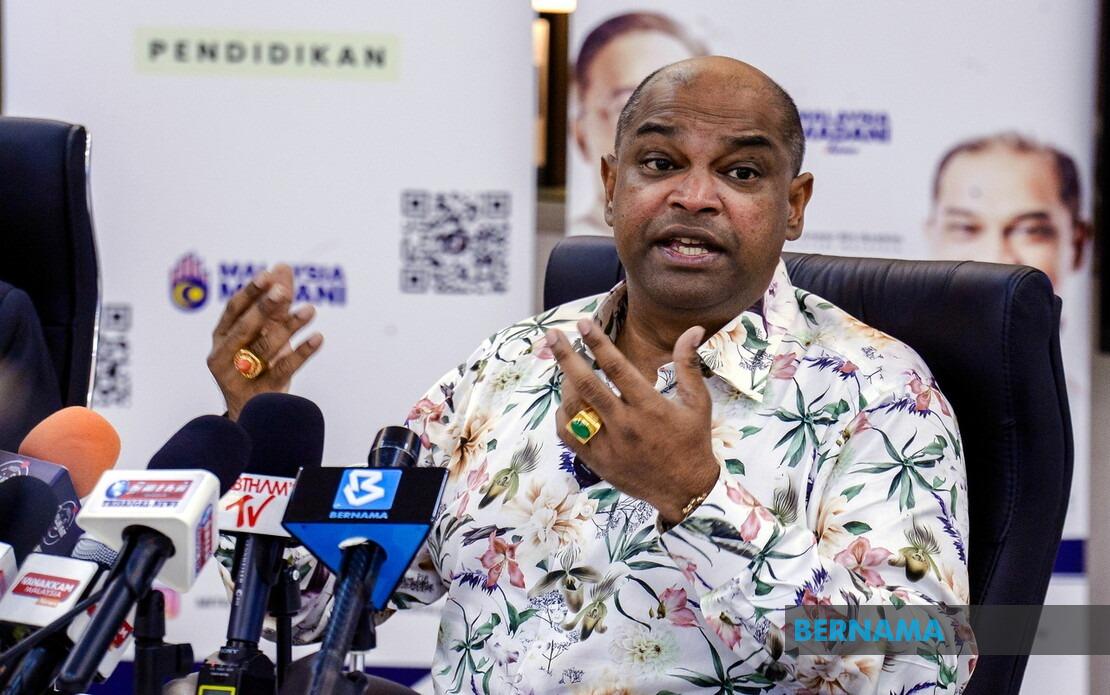
Malaysia's Ministry of Human Resources (KESUMA) is advancing a significant proposal to fundamentally reshape how it finances vocational and technical education, seeking to convert existing loan-based financing into grant support. Minister Datuk Seri R Ramanan disclosed that the ministry is actively consulting with other government departments to refine the approach before submitting it to Cabinet for final approval. This consultation phase represents a critical stage in what could become a transformative policy shift for Malaysia's technical and vocational education sector, potentially affecting tens of thousands of students pursuing careers in skilled trades and technical professions.
The core of the proposal centres on the Skills Development Fund Corporation (PTPK), which currently manages RM100 million in financing. Currently structured as loans, these funds have traditionally required repayment after students complete their Technical and Vocational Education and Training programmes. The change to a grants-based system would eliminate the repayment obligation, fundamentally altering the financial landscape for graduates entering Malaysia's labour market. However, Minister Ramanan emphasised that regardless of whether the funds function as grants or loans, Cabinet-level authorisation remains mandatory under existing government frameworks.
The ministry has already prepared preliminary documentation outlining the conversion proposal, though Ramanan acknowledged that further refinements and clarifications are necessary before the matter proceeds to the Cabinet table. This iterative approach reflects the complexity of redirecting public funds and the need to address potential concerns from other ministries that may have fiscal or budgetary implications. The consultation process demonstrates KESUMA's recognition that such a policy shift requires cross-departmental buy-in and consensus, particularly given the broader implications for government spending and educational financing across multiple sectors.
The initiative directly addresses a significant challenge facing Malaysia's vocational education landscape: financial barriers that discourage students from pursuing TVET programmes despite widespread skills shortages. By converting loans to grants, KESUMA aims to remove a substantial disincentive facing graduates, many of whom face immediate financial obligations upon completing their studies. This burden has historically deterred capable students from technical fields, contributing to persistent gaps in skilled workforce development across manufacturing, construction, and service industries where Malaysia faces chronic talent shortages.
Beyond the core financing restructuring, KESUMA is simultaneously launching complementary initiatives to energise Malaysia's vocational education ecosystem and youth employment landscape. The ministry has introduced the MYFutureJobs Ambassador programme, recruiting students from higher education institutions to serve as peer advocates and information conduits within campus communities. These ambassadors function as grassroots promoters of career opportunities and employment services, leveraging student networks to communicate job prospects and professional development pathways in ways that resonate with their peers more authentically than traditional institutional messaging.
Paralleling the ambassador initiative, KESUMA has unveiled Oyen MYFutureJobs, a branded mascot designed to humanise and make the employment support ecosystem more approachable and engaging for younger audiences. This marketing dimension reflects contemporary understanding that institutional support services must transcend bureaucratic presentation to capture youth attention and build emotional investment in career development initiatives. By combining human ambassadors with character-driven branding, KESUMA is constructing a multifaceted engagement strategy that recognises the psychological dimensions of how young people perceive and interact with government programmes.
The MYFutureJobs Lindung Kerjaya Carnival, where Minister Ramanan made these announcements, brought together diverse stakeholders including the Social Security Organisation (Perkeso) leadership, including board chairman Datuk Seri Subahan Kamal and group chief executive officer Datuk Seri Dr Mohammed Azman Aziz Mohammed. Perkeso's involvement underscores the interconnected nature of skills development, social security, and employment support in Malaysia's broader human capital strategy. The carnival itself functioned as a demonstration of whole-of-government commitment to building dynamic labour market engagement, showcasing how multiple institutions coordinate to address workforce development challenges.
The government's framing of these initiatives reflects the MADANI administration's stated commitment to constructing a labour market characterised by inclusivity, dynamism, and resilience. Beyond simply creating employment access, the policy narrative emphasises that Malaysians require ongoing career development support and structured pathways for advancement. This conceptualisation moves beyond traditional job-placement thinking toward comprehensive workforce development that recognises the evolving skills requirements of modern economies and the necessity for continuous professional adaptation.
For Malaysia's regional standing, the PTPK conversion proposal carries significance beyond domestic policy circles. Southeast Asia faces collective challenges in building skilled workforces capable of competing in increasingly technology-driven global markets. By removing financial barriers to vocational education, Malaysia positions itself to more effectively mobilise latent talent and expand the pool of technically qualified workers. This addresses a competitive imperative: nations that successfully develop robust technical workforces gain substantial economic advantages in attracting manufacturing, technology, and service sector investments that demand reliable supplies of skilled labour.
The timing of this initiative reflects broader Malaysian economic reorientation toward high-value industries requiring sophisticated technical capabilities. Manufacturing modernisation, green energy transitions, and digital infrastructure development all depend on workforce categories that TVET programmes produce. By reducing financing barriers, Malaysia increases the likelihood of attracting and retaining talented individuals within technical career pathways rather than watching them drift toward less demanding educational and occupational trajectories. This has multiplier effects across economic productivity and competitiveness.
Stakeholder consultation before Cabinet submission also suggests government awareness that financing conversion carries implementation complexities and potential unintended consequences requiring careful navigation. Questions about program sustainability, administration, and potential precedent-setting effects on other loan-to-grant conversions across government require thoughtful resolution. The extended consultation timeline, while potentially slowing the process, provides opportunity to anticipate challenges and build durable consensus that improves policy implementation prospects once Cabinet approval materialises.
Looking forward, the success of these vocational education initiatives depends heavily on complementary employer engagement and market signalling that technical careers offer genuine advancement prospects comparable to traditional university pathways. Government messaging alone cannot overcome decades of cultural preferences for academic credentials. Authentic employer commitment to recruiting and developing TVET graduates, coupled with transparent salary progression and advancement opportunities, represents the essential counterpart to removing financial barriers. KESUMA's multifaceted approach addresses supply-side barriers, but demand-side dynamics requiring genuine private sector partnership ultimately determine whether these initiatives generate sustainable impact on Malaysia's technical workforce development trajectory.

