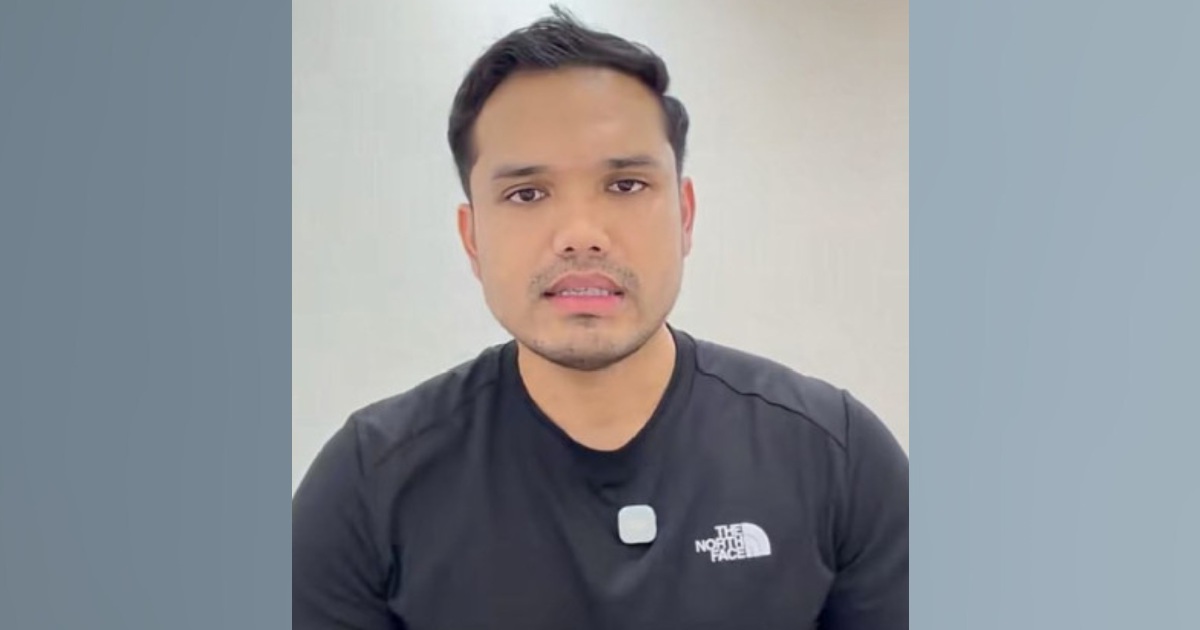
Khairul Aming, one of Malaysia's most recognizable content creators and business figures, has voiced significant concern following the apparent unauthorised disclosure of his private phone billing records on the internet. The incident marks another troubling episode in an ongoing pattern of data breaches affecting public personalities in the country, highlighting vulnerabilities in how personal telecommunications information is protected.
The leaked details reportedly include sensitive billing information linked to Khairul Aming's mobile account, though the full scope of compromised data remains unclear at this stage. Such incidents typically involve account numbers, service usage patterns, and potentially contact information—data that can be exploited for various malicious purposes including identity theft, targeted scams, or further privacy violations. The emergence of this material on public platforms has prompted discussions about the security standards maintained by telecommunications providers operating in Malaysia.
Khairul Aming's reaction underscores growing frustrations among Malaysian celebrities and influencers regarding inadequate privacy protections in the digital age. His status as a prominent public figure with substantial social media following has made him a potential target for those seeking to exploit or embarrass high-profile individuals. The exposure of such personal details without consent represents a serious breach of privacy rights, regardless of someone's public standing or professional prominence.
The identity of the person responsible for leaking these materials remains unknown, complicating efforts to hold the perpetrator accountable. Such breaches can originate from multiple sources—including disgruntled employees within service providers, sophisticated hackers targeting valuable accounts, or individuals simply seeking attention through notoriety. The lack of clarity regarding attribution makes it difficult for authorities to pursue investigations effectively and for Khairul Aming to seek appropriate recourse.
This incident arrives amid broader concerns about data security standards across Malaysia's telecommunications sector. While providers are ostensibly bound by regulatory requirements and industry standards to safeguard customer information, enforcement mechanisms and transparency regarding security measures remain inconsistent. Recent years have witnessed multiple high-profile leaks affecting various sectors, suggesting systemic vulnerabilities rather than isolated incidents. Consumers frequently discover breaches only after their data has already been compromised and publicly exposed.
For Malaysian influencers and entrepreneurs like Khairul Aming, such privacy violations carry particular risks beyond ordinary citizens. Public figures often face intensified scrutiny and targeted exploitation, with leaked personal information potentially weaponized for harassment, blackmail, or reputation damage. The incident illustrates how prominence in the digital economy—where social media presence and public perception significantly influence earning potential—creates unique vulnerabilities for content creators and business personalities.
The discovery of leaked billing details also raises questions about whether telecommunications providers have adequately informed Khairul Aming of potential security incidents or proactively implemented protective measures for high-profile customers. Standard practices in responsible data handling typically involve prompt notification when breaches occur, accompanied by guidance on mitigating potential harms. The apparent gap in such communication suggests possible failures in provider accountability and customer service protocols.
From a regulatory perspective, this episode underscores the need for Malaysian authorities to strengthen enforcement of data protection standards across the telecommunications industry. The Personal Data Protection Act provides a legal framework for safeguarding personal information, but implementation and compliance monitoring require consistent attention and resources. Incidents involving prominent figures often catalyze policy discussions and regulatory scrutiny, potentially benefiting broader consumer protections over time.
Khairul Aming's public response to this breach may galvanize broader conversations about digital privacy among Malaysian celebrities and their audiences. Given his substantial influence and reach, his willingness to discuss such privacy violations publicly can raise awareness about risks that other individuals face silently. This transparency, while uncomfortable for those involved, serves an important function in normalizing discussions about privacy rights and security standards.
The incident also demonstrates how digital vulnerabilities transcend socioeconomic status and professional achievement. Even successful, well-resourced individuals struggle to prevent unauthorized access to their personal information, suggesting that solutions require systemic improvements rather than individual precautions alone. This reality reinforces the case for comprehensive regulatory reform and industry accountability mechanisms that protect all Malaysians, regardless of their public profile or economic status.
Moving forward, Khairul Aming and other affected parties may pursue remedies through formal complaints to the Personal Data Protection Authority or civil litigation against responsible parties, should perpetrators be identified. Such legal actions, while potentially costly and lengthy, establish important precedents regarding expectations for data security and consequences for violations. The resolution of this case may significantly influence how Malaysian institutions—both public and private—prioritize personal data protection.

