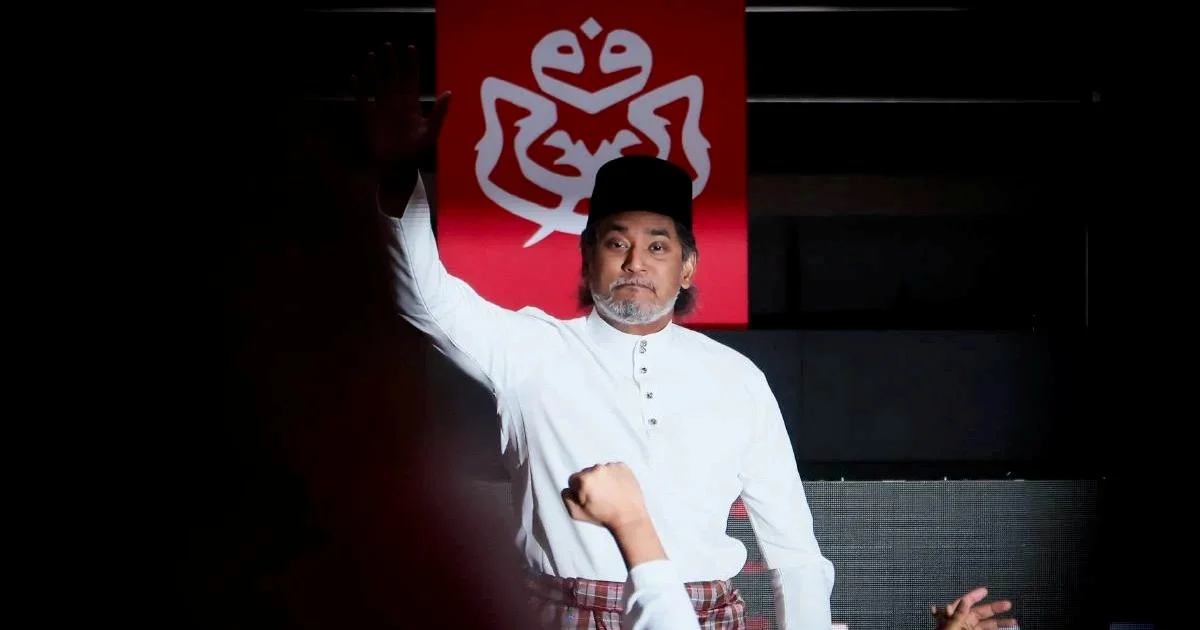
In a notable shift of approach, Khairy Jamaluddin—the prominent politician who previously held the Rembau parliamentary seat—has indicated that he will accept whatever decision Umno's senior leadership makes concerning his potential participation in the upcoming Negri Sembilan state election on August 1. The former federal minister's stance represents a departure from unilateral political positioning and instead emphasizes party unity during a crucial electoral period for the opposition coalition in the state.
This development arrives at a critical juncture for Umno, which has been reassessing its electoral strategy across several states ahead of concurrent and forthcoming state elections. Khairy's willingness to defer to party leadership underscores the internal negotiations and candidate selection processes that continue to shape Umno's electoral approach. The decision-making process reflects broader considerations within the party, including seat allocations, candidate viability, and coalition arrangements with other Barisan Nasional components.
Negri Sembilan holds particular significance in Umno's regional calculations. The state election on August 1 represents a direct test of the coalition's appeal following recent electoral dynamics that have reshaped Malaysian politics. The presence or absence of a figure of Khairy's profile could substantially influence campaign momentum and voter engagement, particularly in constituencies where his political brand retains considerable resonance.
Khairy's parliamentary tenure in Rembau had established him as a significant political operator within Umno's ranks, bringing name recognition and organizational experience to electoral efforts. His willingness to place candidacy decisions in Umno leadership's hands may be interpreted as either deferential positioning or strategic flexibility, depending on one's assessment of current party dynamics and Khairy's broader political calculations.
The timing of this announcement matters considerably. With the August 1 election date fixed, Umno requires clarity on its candidate slate to launch effective campaign operations. Khairy's explicit openness to party direction potentially expedites the leadership's decision-making process and removes the complication of a senior figure asserting independent candidacy preferences that might complicate resource allocation or seat negotiation with coalition partners.
For Malaysian readers observing Umno's trajectory, this episode illustrates how senior party figures navigate the balance between personal political ambitions and party discipline during electoral cycles. Unlike scenarios where prominent politicians publicly declare their candidacy intentions or demands, Khairy's approach prioritizes institutional decision-making mechanisms and demonstrates confidence—or at least public acceptance—of how party leadership will weigh his candidacy against other strategic considerations.
The decision carries implications for Umno's broader candidate strategy in Negri Sembilan. Leadership may view Khairy's availability positively, offering the party a proven campaigner for constituencies where his appeal might overcome emerging electoral challenges. Alternatively, the party might determine that other candidate configurations better serve its interests in the state, particularly if leadership assessments suggest shifting demographic or voter preference patterns.
Umno's use of Khairy's flexibility also signals organizational confidence. When senior figures demonstrate willingness to accept party direction rather than asserting independent candidacy claims, it projects unity and subordinates individual advancement to collective party objectives—a message leadership wishes to communicate to party members and voters alike during competitive electoral periods.
The August 1 state election will occur within a broader political landscape where Malaysian voters continue evaluating competing visions and governance models offered by Umno-led Barisan Nasional and opposition formations. Candidate selection processes, while sometimes overshadowed by higher-level political narratives, ultimately determine which individuals will directly engage voters and represent party platforms in legislative chambers. Khairy's approach contributes to Umno's candidate determination process at a moment when the party endeavors to optimize electoral positioning across multiple states simultaneously.
Regional observers note that Southeast Asian political parties frequently employ similar mechanisms whereby senior figures defer to leadership on candidacy matters, sometimes as expressions of party loyalty and sometimes as calculated moves that allow leaders to assess current political opportunities before committing senior figures to specific electoral contests. Khairy's positioning fits within these established patterns while reflecting Umno-specific dynamics and his personal political trajectory.
The broader significance extends beyond individual candidacy questions. Umno's management of candidate selection and senior figure positioning during this electoral cycle will influence party members' confidence in leadership decision-making and contribute to overall organizational cohesion or fragmentation as the party navigates increasingly competitive electoral environments. Khairy's deference to leadership on this matter thus carries symbolic weight beyond the Negri Sembilan state election itself.