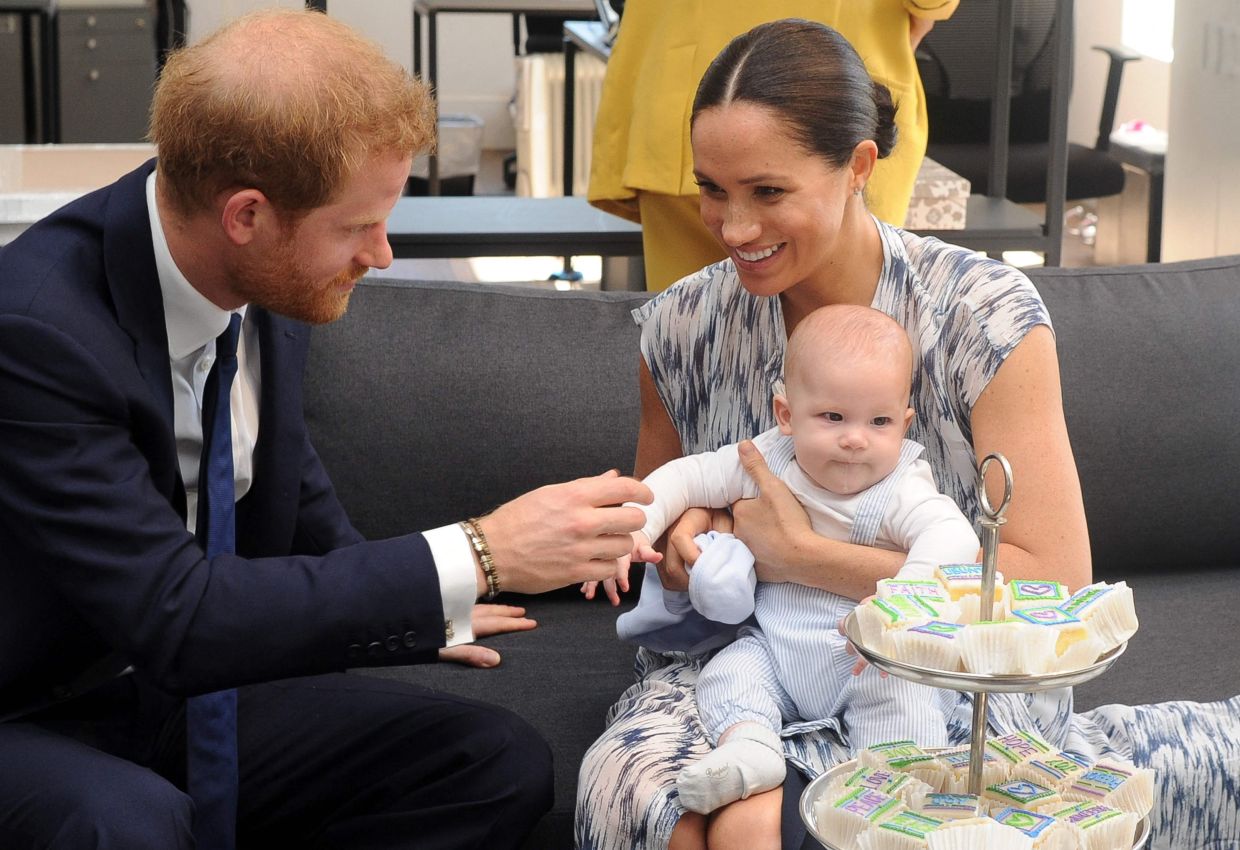
King Charles III extended an olive branch to his estranged son Prince Harry by hosting him, Meghan and their two children at Highgrove House, a country estate west of London, in what palace officials confirmed as the first substantial family gathering in years. The meeting represents a carefully calibrated attempt to mend a rupture that has deepened steadily since the Duke and Duchess of Sussex abandoned their royal obligations and relocated to the United States in pursuit of independent business ventures, distancing themselves from the intense scrutiny and constraints of institutional monarchy.
Prince Archie, aged seven, and Princess Lilibet, five, accompanied their parents to the Friday gathering, marking a meaningful occasion for the children to spend extended time with their grandfather and Queen Camilla. The youngest members of this troubled branch of the House of Windsor had previously encountered the monarch only during the late Queen Elizabeth II's Platinum Jubilee celebrations in 2022, an encounter now distant enough in their young lives that fresh memories would be formed during this reunion. For Charles and Camilla, the visit offered an opportunity to nurture a relationship with grandchildren who have grown up largely removed from the rhythms of royal life.
Harry's arrival in his homeland on July 6 had generated intense speculation within British media circles about whether a family reconciliation might materialise. Tabloid outlets and news broadcasters devoted considerable resources to analysing the likelihood of a meeting, with particular focus on whether Meghan would make the journey from California and whether the couple would bring their children. The intense public interest underscored how thoroughly the family's internal divisions have captured public imagination, transforming private grievances into matters of national cultural preoccupation.
The timing of this gathering carried considerable logistical complexity. The monarch's schedule operates according to timelines extending years into the future, with commitments typically arranged well before execution. The window for orchestrating such a meeting proved fleeting, constrained by the approaching school calendar in California and the substantial distance separating the principals. Earlier in the week, tensions had surfaced between Harry and royal officials when Buckingham Palace initially extended an invitation for him to lodge at the palace itself, only to withdraw the offer when the prince failed to confirm his acceptance within what officials deemed an acceptable timeframe. Such bureaucratic friction highlighted the fragility of these diplomatic overtures.
Harry's presence in Britain also coincided with a significant legal setback that has characterised his recent years. A judicial decision ruled against his privacy invasion claims against a major tabloid publisher, representing his final defeat in a prolonged campaign to curtail what he views as systematic media intrusion. These legal battles have functioned as an ongoing source of tension within the royal family, though Harry has consistently articulated his desire for reconciliation with his 77-year-old father, who is currently undergoing treatment for an undisclosed form of cancer.
The relationship between father and son had thawed incrementally since their previous encounter in September, when they shared tea during a brief London visit—their first substantive interaction in more than a year. That modest meeting had suggested possibilities for rebuilding trust, yet the deeper longing within Harry centred on facilitating his children's connection with their grandfather. The prince recognised that Archie and Lilibet had now matured sufficiently to retain genuine memories of their encounters with the king, transforming such occasions from mere ceremonial obligations into formative family experiences.
The deterioration of relations between Harry and the monarchy had accelerated dramatically following the Sussexes' departure from active royal service. The publication of Harry's provocative memoir introduced a new dimension of acrimony, presenting unflattering characterisations of senior royals and articulating allegations of a fundamentally dysfunctional relationship between the institution and the British press establishment. His account of family members strategically leaking information to journalists in exchange for favourable coverage illuminated practices he characterised as corrosive to institutional integrity and personal dignity.
Particularly damaging within Harry's narrative was his criticism of Queen Camilla, whom he accused of channelling confidential family conversations to media contacts as she pursued rehabilitation of her public image following her long affair with Charles during his years as heir. These specific allegations introduced a personalised dimension to grievances that had previously remained more abstractly institutional in nature, complicating any reconciliation efforts by embedding bitter recriminations in the family's intimate fabric.
Harry's broader frustrations extended to questions of security arrangements, which he characterised as politically motivated punishment for his departure from royal duties. Following an unsuccessful legal challenge regarding police protection, the prince had shifted toward a posture emphasising conciliation. In an interview with the BBC, he articulated his fundamental desire for family restoration while simultaneously acknowledging the constraints imposed by mortality and the irreplaceable nature of paternal connection. "I would love reconciliation with my family. There's no point in continuing to fight anymore," he stated, adding pointedly, "I don't know how much longer my father has."
The Friday gathering at Highgrove represents a tentative movement toward mending these accumulated fractures, though the underlying sources of tension—disagreements about royal duty, media relations, and institutional values—remain substantially unresolved. Whether this meeting constitutes a genuine turning point in family dynamics or merely a tactful pause in an ongoing estrangement remains uncertain. For Malaysian observers of the British monarchy, the episode illustrates how even the world's most prominent royal families struggle with modernisation pressures, succession dynamics, and the tension between institutional demands and individual autonomy in an era when traditional structures command diminishing deference.

