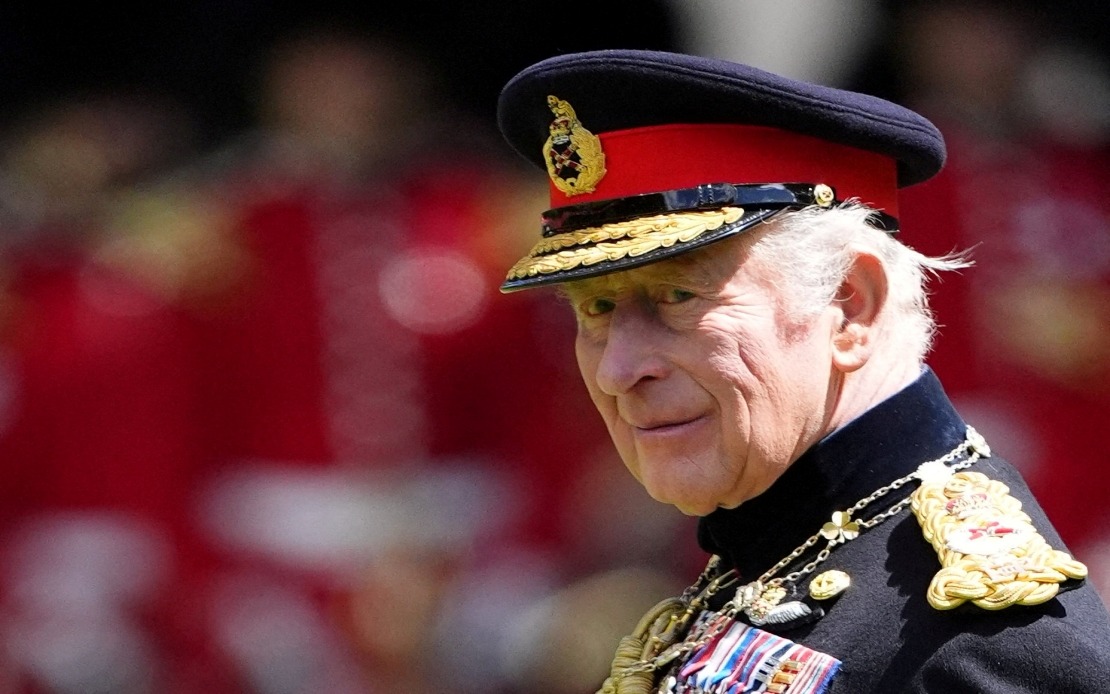
King Charles III has accomplished what no British sovereign before him has done: openly revealing the amount of personal income tax he paid to the nation. Buckingham Palace announced on Thursday that the monarch contributed £12.9 million in personal taxes during the 2024-2025 financial year, marking a significant departure from centuries of royal financial secrecy and signalling a new era of transparency at the highest levels of the British establishment.
The disclosure represents a watershed moment in modern monarchy, fundamentally reshaping how the public understands royal finances. This inaugural publication of a reigning monarch's personal tax figures follows a broader pattern of financial openness that King Charles initiated during his time as Prince of Wales, though never before has such information been released from an occupant of the throne itself. The move underscores a deliberate strategy by the Palace to demystify royal funding arrangements and address longstanding questions about how the institution sustains itself.
According to the Royal Household's financial statement released alongside the tax figure, King Charles paid £11.7 million in personal taxes during the previous tax year of 2023-2024. Combined with his current-year payment, the king's total tax contributions since ascending the throne in September 2022 have surpassed £30 million. This substantial sum illustrates the magnitude of the royal finances and the significant fiscal responsibility that the monarch has voluntarily undertaken over his reign thus far.
The source of King Charles's taxable income derives from several private sources that are distinct from the official state funding mechanisms supporting the monarchy. His personal wealth accumulates through income generated by his extensive investment portfolio and, more notably, from the privately owned Balmoral and Sandringham estates, both of which have long been personal property of the reigning sovereign. Revenue from these assets, along with investment returns, comprises the income from which personal taxes are calculated and ultimately paid to Her Majesty's Revenue and Customs.
It is crucial to understand that British monarchs operate under a unique constitutional arrangement that exempts them from the ordinary tax obligations that bind all other citizens. The law does not require the sovereign to pay income tax, capital gains tax, or inheritance tax—a privilege that flows from the doctrine that the Crown cannot be taxed. Yet despite this legal immunity, the arrangement that has governed royal tax payments since the 1990s established a voluntary framework under which the monarch nonetheless contributes to the national exchequer, effectively placing the Crown on a more equal footing with its subjects in fiscal matters.
James Chalmers, serving as keeper of the Privy Purse and the principal financial officer of the Royal Household, articulated the rationale behind this transparency initiative. He emphasised that whilst royal financial structures may initially appear labyrinthine and difficult for outsiders to navigate, the fundamental principles underlying them are straightforward, grounded in established law, and refined through decades of refinement. His statement suggests that the Palace views transparency not as a burden or concession but as integral to ensuring that the monarch can execute their constitutional duties with genuine independence, proper accountability to the nation, and a demonstrated commitment to long-term national interests.
The decision to publish these figures alongside a comprehensive new document outlining the various revenue streams supporting royal operations reflects a calculated effort to meet growing public expectations for institutional accountability. In an era when corporations and public bodies face mounting pressure to disclose financial information, the monarchy recognised that remaining silent on royal finances would appear increasingly antiquated and potentially corrosive to public confidence. By voluntarily providing detailed information about how the Crown finances itself, King Charles has positioned the institution as willing to engage with contemporary standards of transparency.
For readers across Southeast Asia and the Commonwealth, this development carries particular significance as it demonstrates how established institutions navigate the modern demand for openness. Malaysia, as a constitutional monarchy itself, observes closely how other Commonwealth realms balance the traditions and dignities of royal office with contemporary expectations of financial disclosure and institutional accountability. The precedent set by King Charles may influence discussions within other Commonwealth nations about how their own royal families present their financial arrangements to the public.
The timing of this disclosure is noteworthy, arriving at a moment when public institutions worldwide face heightened scrutiny regarding financial management and resource allocation. By taking the initiative rather than responding to external pressure or scandal, King Charles has controlled the narrative around royal finances and demonstrated a commitment to modernising the monarchy's relationship with transparency. This proactive stance contrasts sharply with the reactive postures often adopted by institutions facing public demands for disclosure.
The broader implications of this transparency initiative extend beyond mere tax figures. It signals that the contemporary monarchy views public trust as something that must be actively earned and maintained through openness about its operations and finances. In an increasingly republicanist world, where questions about the relevance and cost of monarchy persist across multiple democracies, such transparency serves as both a practical tool for accountability and a symbolic gesture of willingness to adapt traditional institutions to modern expectations.
Looking forward, the precedent established by King Charles may well influence how other members of the Royal Family present their finances and could shape expectations for transparency within the broader institution. If this approach is sustained and expanded, it could fundamentally alter public understanding of royal finances and potentially serve as a model for other traditional institutions seeking to balance heritage and tradition with contemporary demands for openness and accountability.
The 2024-2025 tax year disclosure marks only the beginning of what promises to be an ongoing commitment to financial transparency. Whether this initiative leads to broader reforms in how the monarchy communicates its financial stewardship to the public remains to be seen, but the symbolic and practical importance of this first disclosure cannot be overstated. In breaking with centuries of tradition regarding royal financial privacy, King Charles has taken a significant step toward placing the modern monarchy on firmer footing with its subjects.

