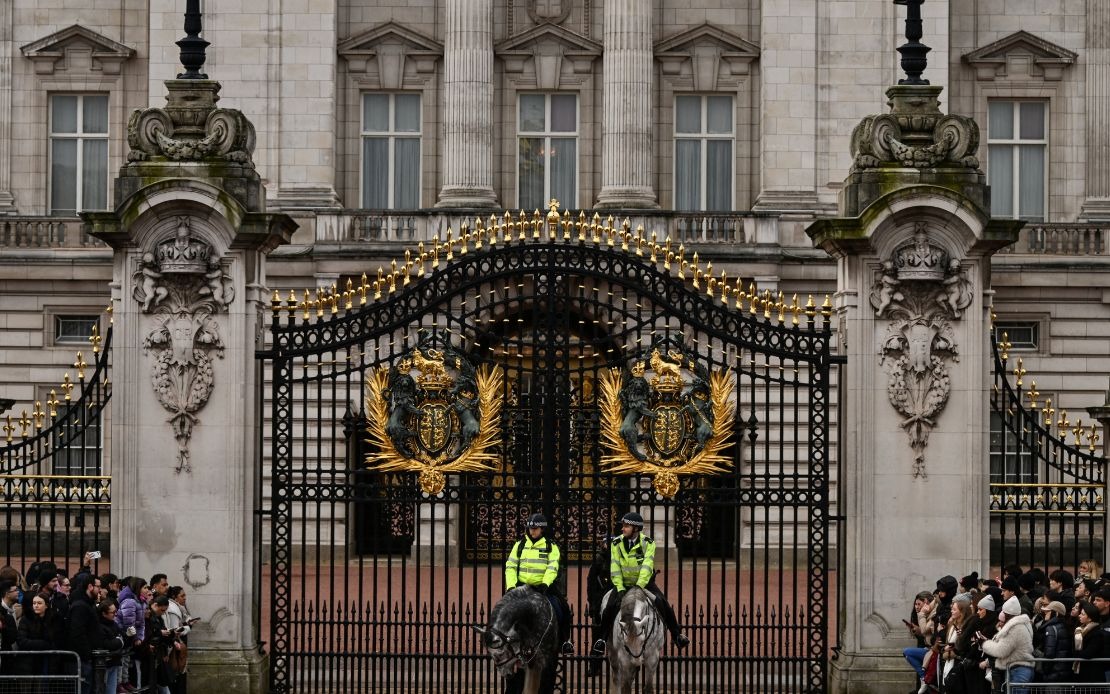
The Royal Household confirmed this week that Buckingham Palace will continue serving as the ceremonial heart of the British monarchy following the completion of its extensive renovation programme, though the sovereign and his consort will maintain separate private quarters elsewhere. The distinction between the palace's public ceremonial role and the royal couple's private living arrangements reflects a deliberate shift in how the modern monarchy balances accessibility with the institutional demands of state business.
In a statement addressing the palace's future following its major overhaul, the Royal Household outlined plans to preserve Buckingham Palace as the principal workplace for royal administration and a venue for the nation's most significant official occasions. King Charles III and Queen Camilla intend the building to remain at the symbolic core of royal governance, hosting state receptions, diplomatic functions, and ceremonial events that define the monarchy's public presence. This approach represents a continuation of the palace's traditional role while adapting to contemporary expectations about heritage preservation and public engagement.
The multibillion-pound refurbishment initiative, formally known as the Buckingham Palace Reservicing Programme, has now entered its final stages after nine years of intensive work. The project addresses critical infrastructure issues affecting the 775-room palace, built during the reign of Queen Victoria and extensively modified over successive generations. Beyond structural remediation, the programme aims to enhance accessibility for public visitors and modernise facilities whilst maintaining the building's historical integrity and architectural significance.
Royal finances released this week reveal substantial activity across the royal estate's venues. During the 2025-2026 financial year, nearly 97,000 guests participated in 827 formal events held at various royal palaces, underscoring the institutional importance of these spaces for state business and national representation. The figures illustrate how effectively the monarchy employs its property portfolio to discharge ceremonial obligations and maintain public engagement with constitutional institutions.
The Sovereign Grant, the parliamentary funding mechanism that supports the monarchy's official functions and palace maintenance, increased to £132.1 million for the current financial year, reflecting rising costs associated with conservation work and operational expenses across the estate. Within this allocation, £67.5 million was earmarked specifically for preserving and protecting occupied royal residences, demonstrating the substantial financial commitment required to maintain buildings of this scale and historical significance. For Malaysian observers, these funding levels underscore the considerable public investment Western democracies dedicate to supporting monarchical institutions and heritage preservation.
The decision to retain Buckingham Palace primarily as a ceremonial venue rather than converting it into a royal residence reflects practical considerations about modern monarchy. Maintaining a working palace—where administrative functions, state functions, and public ceremonies occur—requires different operational arrangements than a private residence. By clarifying the distinction, the Royal Household addresses historical questions about the appropriate use of this iconic building and manages expectations about public access to the monarchy's institutional spaces.
From a heritage and tourism perspective, the choice carries significant implications. Buckingham Palace ranks among the world's most recognisable buildings and a major draw for international visitors to London. Designating it explicitly as a ceremonial centre with expanded public access opportunities enhances its value as a national asset whilst supporting the local visitor economy. This positioning resonates with global trends in which historic royal and governmental buildings increasingly balance preservation with community engagement.
The refurbishment programme itself represents a substantial undertaking in facilities management and conservation. Buckingham Palace's infrastructure, much of it dating to earlier eras, requires modernisation to meet contemporary standards for heating, cooling, electrical systems, and accessibility whilst respecting its architectural heritage. The nine-year trajectory reflects the complexity of managing major renovation work whilst maintaining the building's operational capacity for state functions—a challenge requiring meticulous planning and coordination.
For the broader Commonwealth and international diplomatic community, Buckingham Palace's continued prominence as the ceremonial centre of royal life carries symbolic weight. The palace hosts state visits, ambassadorial credentials ceremonies, and other functions that express Britain's diplomatic relationships and constitutional values. King Charles III's commitment to maintaining these traditions whilst adapting the institution signals continuity with established practice whilst acknowledging contemporary approaches to heritage stewardship.
The announcement also provides clarity about the monarchy's real estate strategy during a period of significant institutional transition. By separating ceremonial functions from private residential arrangements, the Royal Household can optimise how each property serves its designated purpose. This functional differentiation allows the palace to operate more effectively as both a working administrative centre and a venue for state occasions whilst ensuring the royal family's living arrangements meet contemporary standards and privacy requirements.
Practically speaking, the refurbishment's completion will mark a significant milestone in ensuring the palace's long-term viability as an operational institution. Beyond the immediate infrastructure improvements, the completed work should position Buckingham Palace to serve the monarchy's needs throughout the coming decades, protecting an essential component of Britain's constitutional and cultural heritage whilst maximising opportunities for public engagement with royal institutions.

