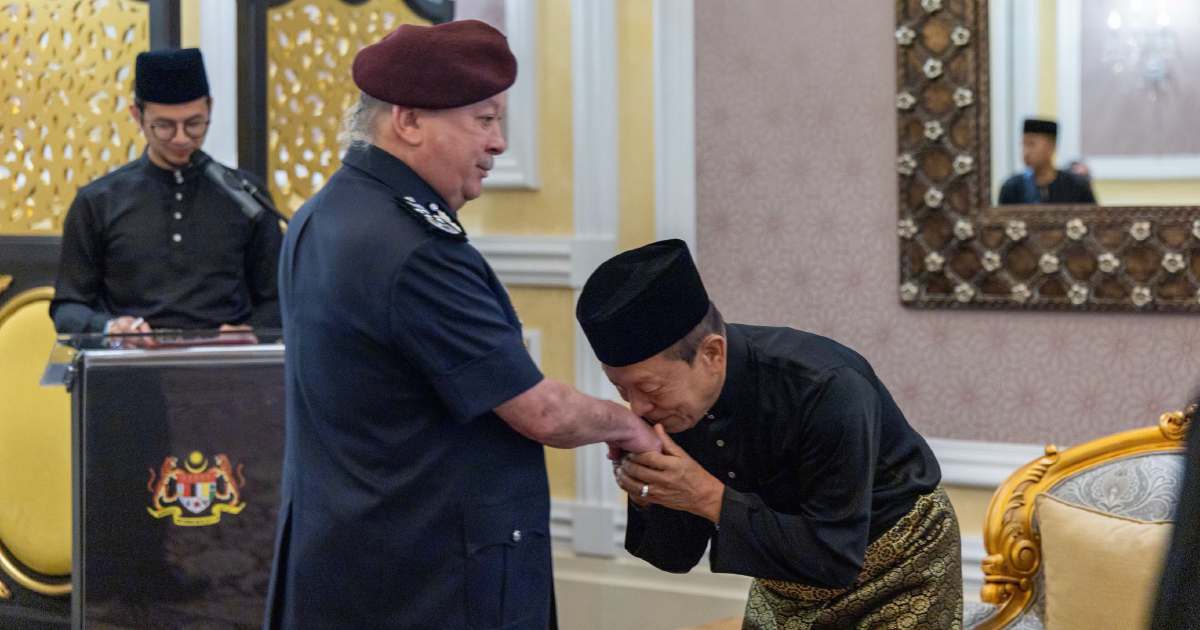
His Majesty Sultan Ibrahim, King of Malaysia, received Malaysian Anti-Corruption Commission Chief Commissioner Datuk Seri Abdul Halim Aman in a formal audience at Istana Negara today, signalling continued royal oversight of the country's anti-corruption framework at the highest level of the state.
The meeting between the monarch and the MACC's top official represents routine but symbolically important engagement between the Crown and the institutional guardians of public integrity. While the precise agenda of their discussion was not disclosed, such audiences typically encompass briefings on the commission's enforcement activities, strategic direction, and emerging corruption threats within Malaysia's public and private sectors.
The MACC, established in 2009 through the merger of earlier anti-corruption bodies, operates as the primary investigative and prosecutorial agency tackling graft across government, state-owned enterprises, and increasingly the private sector. As chief commissioner, Abdul Halim Aman oversees the commission's sprawling operations and its mandate to investigate financial crimes, abuse of power, and conflicts of interest among public officials.
The audience at the national palace underscores the institutional architecture through which Malaysia's anti-corruption machinery functions. The MACC chief commissioner reports formally to the King on matters of national governance, reflecting constitutional frameworks that vest significant power in the monarchy beyond ceremonial functions. This arrangement has proven consequential during periods of political transition or when the commission's independence required protection from partisan pressures.
For Malaysian readers, such formal interactions carry particular weight in a country where governance integrity remains contested terrain. Corruption scandals regularly implicate senior politicians and bureaucrats, and public confidence in anti-corruption efforts frequently depends on perceptions of institutional independence and royal support. When the monarch directly engages with anti-corruption leadership, it sends a message about the Crown's commitment to upholding standards of public accountability.
The timing of the audience also merits attention given Malaysia's ongoing efforts to strengthen governance frameworks and restore international credibility following corruption episodes that dominated headlines in previous years. The country has undertaken considerable effort to refurbish its anti-corruption credentials through prosecutions, institutional reforms, and enhanced transparency measures. Regular engagement between the Crown and enforcement agencies helps reinforce these commitments domestically and internationally.
During his tenure, Abdul Halim Aman has navigated complex terrain within the MACC, balancing investigative autonomy with political sensitivities that invariably accompany high-profile cases. The commission's effectiveness ultimately depends on its capacity to pursue investigations impartially regardless of the political affiliation of those implicated, a challenge particularly acute in Malaysia's contested political environment where corruption accusations often blur with partisan disputes.
The audience at Istana Negara also reflects broader patterns of royal engagement with institutional leaders across Malaysia's constitutional structure. The monarch receives regular briefings from the heads of key government bodies—the Attorney General, the Police Commissioner, the armed forces leadership, and senior civil servants—creating formal channels through which the Crown maintains awareness of pressing governance issues and institutional performance.
From a regional perspective, Malaysia's commitment to anti-corruption work remains significant. As a member of various international anti-corruption frameworks and subject to external assessments of its governance standards, the country's anti-corruption machinery carries implications beyond its borders. MACC's effectiveness influences Malaysia's standing in the region and its attractiveness to foreign investors concerned about transparency and the rule of law.
The meeting also occurs within the context of broader governance discussions in Malaysia, where constitutional reforms, institutional redesigns, and questions about the balance of power between different branches of government continue to generate debate. The anti-corruption framework sits at the intersection of these discussions, as different stakeholders advocate for reforms they believe would strengthen or safeguard the MACC's independence and effectiveness.
Looking forward, the audience underscores the continuing importance of robust anti-corruption institutions in Malaysia's developmental trajectory. Whether addressing procurement fraud within government agencies, investigating conflicts of interest among elected representatives, or examining corporate malpractice, the MACC's work directly affects public resource allocation, investor confidence, and the integrity of democratic institutions.
No further details regarding the substantive discussion between His Majesty and the MACC chief commissioner were released following the audience. Such formal meetings typically remain private affairs, with official acknowledgement limited to confirmation of the meeting itself and acknowledgement of respective roles within Malaysia's governance structure.

