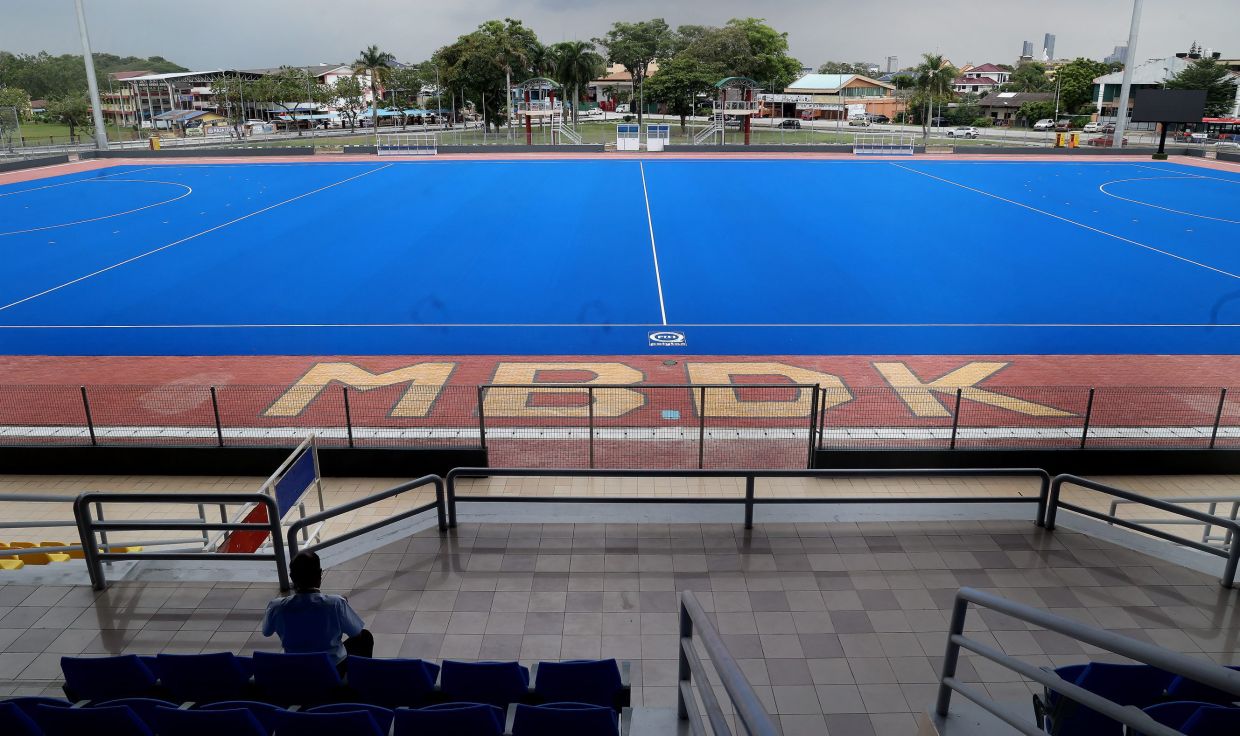
The Klang Royal City Council (MBDK) has mapped out a strategic partnership with the Selangor Hockey Association (SHA) to oversee the day-to-day management and operations of the newly upgraded Pandamaran Hockey Stadium, signalling a shift towards professional stewardship of municipal sports infrastructure. The decision reflects confidence in the association's capability to maintain the facility to international standards while serving as a catalyst for sports development across the Klang region.
Klang mayor Datuk Abd Hamid Hussain characterised the stadium, situated at the intersection of Jalan Sukma and Jalan Raja Lumu in Pandamaran, Port Klang, as more than a venue for matches and training. He emphasised that modern sports facilities must balance operational excellence with long-term fiscal responsibility, a philosophy that guided the council's decision to entrust SHA with comprehensive management authority. The council invested approximately RM9 million to transform the stadium, bringing it to contemporary standards and equipping it with cutting-edge amenities.
The timing of this development proves crucial for Selangor's sporting calendar. MBDK held a soft launch ceremony on the day of the announcement, followed immediately by a test match to prepare for Sukma 2026, the 22nd iteration of the Malaysia Games scheduled to run from August 15 to 24 across Selangor. The inaugural Para Sukma will follow from September 5 to 10, creating an extended window of high-profile competition that will test the stadium's readiness and operational capacity. These dual events present both an opportunity and a pressure test for the newly configured management arrangement.
Beyond the immediate Sukma calendar, Abd Hamid framed the stadium investment as fundamentally economic in nature rather than a mere capital expenditure. He argued that the facility would generate returns through multiple channels: nurturing athlete development pathways, enhancing community recreational opportunities, and attracting domestic and international hockey events that inject spending into the local economy. This rationale reflects contemporary thinking in Malaysian municipal governance, where sports infrastructure is increasingly justified through broader socioeconomic impact rather than standalone sporting merit.
The SHA-led operational framework will introduce structured accountability across several functional areas. MBDK plans to establish a dedicated management team responsible for stadium operations, maintenance protocols, security arrangements, promotional activities, and booking administration. This layered approach addresses a persistent weakness in Malaysian sports facility management: the drift into disrepair and underutilisation that occurs when venues lack clear operational hierarchies. By formalising these functions, the council aims to ensure consistent asset stewardship.
The stadium's physical infrastructure underwent comprehensive modernisation. The refurbishment encompassed the synthetic playing surface, drainage engineering, floodlighting systems, electronic scoreboarding, player facilities, and supporting amenities. Collectively, these components reflect standards expected by elite-level hockey competitions, moving beyond the minimalist approach that characterised many Malaysian sports venues historically. The investment acknowledges that hosting quality matches requires proportional investment in participant and spectator experience.
A defining credential came through certification by the International Hockey Federation (FIH), a credential that remains valid until July 2, 2029. This accreditation carries significance beyond ceremonial recognition. It confirms that Pandamaran Stadium meets rigorous international technical specifications, enabling the venue to host world championship tournaments and accommodate live global television broadcasts. Such certification opens revenue-generation pathways through international sanctions that would otherwise remain closed to uncertified facilities.
The FIH designation repositions Klang within Malaysia's nascent sports tourism landscape. Major sporting cities compete for host status through facility credentials, and international recognition elevates Klang's competitive positioning. The mayor explicitly framed this as an opportunity to establish Klang as an emerging hub for national and international hockey tournaments, an aspiration that reflects the broader Malaysian pattern of leveraging sports events for destination marketing and brand elevation.
The economic spillover effects remain secondary but meaningful. International and domestic hockey tournaments typically generate accommodation demand, restaurant patronage, retail spending, and transportation usage concentrated over brief periods. While Klang already possesses Port Klang's industrial-commercial infrastructure, sports tourism provides a complementary revenue stream that engages different demographic segments. This diversification of economic activity aligns with municipal development strategies that avoid over-reliance on single industry sectors.
The SHA partnership addresses a structural challenge in Malaysian municipal sports governance. Local councils frequently struggle to maintain specialised facilities because administrative staff lack technical expertise in sport-specific operations. By delegating management to an association with institutional knowledge of hockey, MBDK outsources both expertise and accountability. The SHA gains asset access and revenue opportunities, while MBDK transfers operational complexity to a better-positioned entity. This represents a pragmatic adaptation to resource constraints facing many Malaysian local authorities.
The Pandamaran project also reflects evolving national priorities around sports development. Sukma serves as the primary domestic competitive pathway for athletes aspiring to national representation, making quality training and competition venues essential infrastructure. Facilities certified to international standards simultaneously serve elite development and grassroots engagement, maximising return on public investment. This dual-use rationale justifies substantial capital expenditure within municipal budgets increasingly pressured by competing demands.
The stadium's proximity to Port Klang situates it within Malaysia's industrial heartland, offering potential for corporate sponsorship and community engagement from the manufacturing and logistics sectors concentrated in the region. Companies frequently support local sporting facilities as part of corporate social responsibility programming, creating additional revenue beyond standard user fees. The strategic location therefore carries untapped potential for financial sustainability beyond SHA's direct operational income.
Looking forward, the success of this arrangement will depend on execution clarity and adequate resourcing for SHA's operational team. Facility deterioration in Malaysian sports venues frequently traces to management transitions, insufficient maintenance budgets, or unclear accountability lines. By establishing formal operational frameworks before Sukma 2026 commences, MBDK creates conditions for sustained performance. The partnership model, if successful, may offer a template for other Malaysian municipalities seeking professional facility stewardship without direct municipal administration.

