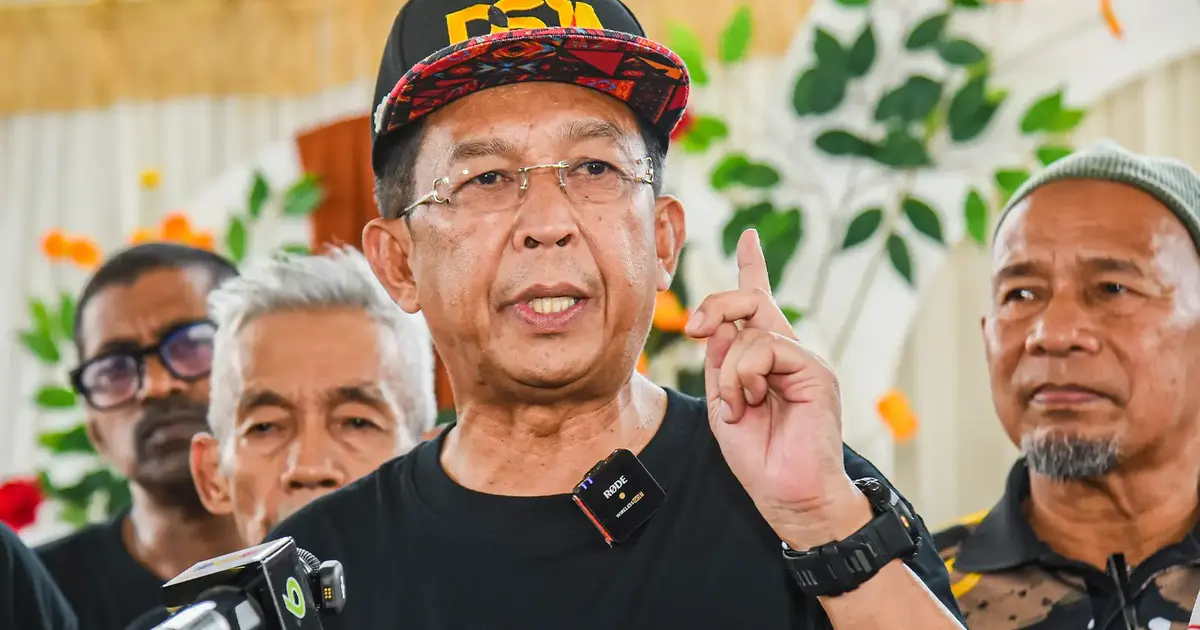
The temporary shutdown of a Barisan Nasional polling centre in Klawang has exposed simmering tensions within Umno over how the party is handling its power-sharing arrangement with Perikatan Nasional. According to Jalaluddin, the state-level Umno chief, members at the Klawang centre opted to cease operations as a form of dissent against the decision to yield the parliamentary seat to PN, signalling that discontent over seat allocation negotiations runs deeper than public statements might suggest.
The closure represents a pointed rebuke from grassroots Umno activists who view the concession as disadvantageous to their party's interests. In Malaysia's complex electoral coalition dynamics, seat allocation frequently becomes a flashpoint for internal grievances, as local party organisers and members feel they have earned the right to contest particular constituencies through prior organisational effort and voter cultivation. The Klawang situation illustrates how even nominally unified coalitions can fragment when individual party factions believe their territorial claims have been overlooked or undervalued in backroom negotiations.
Jalaluddin's acknowledgement that certain quarters harbour unhappiness with the broader BN-PN arrangement suggests that tensions extend beyond a single constituency. The electoral partnership, while presented publicly as a strategic alliance to counter the opposition, appears to have generated friction at multiple organisational levels. This dynamic is particularly significant given that Umno traditionally views itself as the dominant component of Barisan Nasional and has historically exercised considerable influence over seat distribution within the coalition framework.
The decision by the Klawang centre to suspend operations, though temporary, carries symbolic weight beyond its immediate practical impact. It demonstrates that Umno members are willing to register their protest in concrete ways, rather than accepting unfavourable allocations passively. Such actions, even when reversed relatively quickly, send internal signals about the boundaries of acceptable compromise and the consequences of perceived inequitable arrangements. Party leadership must navigate these grassroots sentiments while maintaining the facade of coalition unity necessary for electoral competitiveness.
The willingness of state-level party chiefs like Jalaluddin to publicly acknowledge and discuss such closures, rather than downplaying them, suggests a degree of acceptance that these grievances merit attention. By framing the closure as temporary and expressing confidence that normal operations will resume, he attempts to defuse the immediate controversy while implicitly recognising that the underlying concerns about seat allocation require consideration. This approach seeks to balance coalition obligations with the need to placate internal Umno factions.
For Malaysian voters and political observers, the Klawang incident underscores that electoral coalitions in the country remain fragile constructs held together more by strategic necessity than organic unity. The BN-PN arrangement emerged from specific political calculations following recent electoral cycles, but it lacks the institutional cohesion or longstanding relationships that might smooth over disagreements about resource allocation. Each instance where members protest seat distribution threatens to unravel the carefully negotiated compromises that make the coalition functional.
The closure also highlights the distinction between senior party leadership's strategic perspective and grassroots activists' territorial interests. While state and national leaders might view seat concessions as necessary trade-offs for broader coalition benefits, local organisers who have invested years building party presence in specific constituencies often experience such decisions as betrayals. This gap between leadership vision and grassroots reality has historically plagued Malaysian political coalitions, generating cycles of discontent that can accumulate into broader fractures.
Jalaluddin's expectation that the Klawang centre will resume operations soon appears predicated on informal negotiations and behind-the-scenes dialogue designed to restore consensus. However, the very need for such efforts reveals that consensus does not exist automatically within the coalition. The resumption of normal operations, when it occurs, will likely require some form of concession or reframing that allows protesting members to preserve face and feel heard. Without such gestures, resentment may fester and manifest in future protests or electoral underperformance.
The incident takes on additional significance given that Malaysia's political landscape remains fluid, with multiple coalition configurations possible depending on electoral outcomes and subsequent negotiations. If BN-PN partnerships are to prove durable across multiple electoral cycles, both parties must develop mechanisms for managing internal dissent while preserving coalition cohesion. The Klawang situation suggests such mechanisms remain underdeveloped, leaving coalitions vulnerable to disruption when members feel their interests are inadequately represented.
For Perikatan Nasional, the closure serves as a reminder that gaining seats through coalition arrangements, while valuable in aggregate, may come at the cost of goodwill from rival coalition members. As Umno members grow increasingly vocal about perceived inequities, PN must consider whether its electoral gains through the arrangement are sustainable if they continuously generate resentment among its larger coalition partner. The delicate balance required to maintain BN-PN cooperation will likely become increasingly difficult to preserve as the next electoral cycle approaches and competition for winnable constituencies intensifies.
Looking forward, the BN-PN partnership faces a critical test in demonstrating that it can function as a legitimate coalition rather than merely a temporary marriage of convenience. The resolution of the Klawang dispute and how similar future grievances are handled will substantially influence whether grassroots members remain committed to the alliance or increasingly view it as a betrayal of their party's interests. Without genuine progress toward equitable seat distribution and transparent allocation criteria, the coalition risks fragmentation precisely when electoral competence is most essential.

