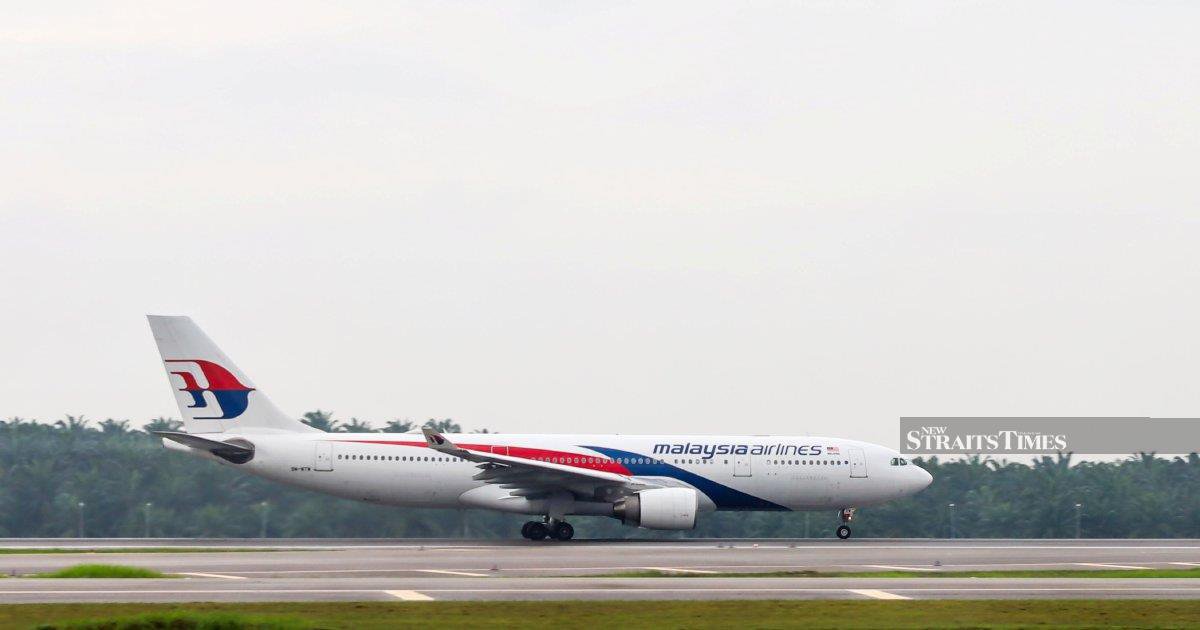
The detention of a Malaysia Airlines pilot in Indonesia on drug smuggling charges has prompted calls from aviation specialists for an urgent reassessment of security protocols and safety oversight at Kuala Lumpur International Airport. Industry observers say the incident reveals significant gaps in the screening mechanisms designed to prevent such activities, raising serious questions about how a crew member employed by Malaysia's flagship carrier managed to reach this point without detection.
The case has reignited debate about the effectiveness of background checks and monitoring systems for aviation personnel who have access to restricted areas and participate in international operations. Security experts emphasise that incidents of this nature, though relatively rare, highlight the vulnerability of even tightly regulated sectors to individual misconduct. For an airport of KLIA's size and international standing, the implications extend beyond the immediate incident to encompass broader questions about staff vetting protocols and ongoing surveillance practices.
Aviation safety frameworks across Southeast Asia have traditionally concentrated on technical aspects of flight operations and aircraft maintenance, sometimes at the expense of comprehensive personnel screening and integrity monitoring. Malaysia's aviation authorities have implemented various initiatives to align with international standards, yet this situation suggests that human factors—particularly the reliability and background of flight crew—remain an area requiring substantial improvement. The Malaysian aviation sector faces particular scrutiny given the country's aviation history and the critical importance of maintaining public confidence in safety standards.
The incident raises uncomfortable questions about how thoroughly existing screening procedures identify potential risks among staff with high-level airport access. Current systems typically conduct initial background investigations when personnel are hired, but ongoing monitoring of employee conduct and possible indicators of compromised judgment or illegal involvement appear inconsistent. International best practices increasingly recommend periodic reassessments and integration of intelligence databases that flag suspicious activities or financial difficulties that might motivate illegal conduct.
Security specialists note that KLIA, as one of Asia's busiest aviation hubs, handles thousands of personnel across multiple airlines, ground services, and government agencies. Managing security within such a complex ecosystem requires sophisticated coordination and data-sharing mechanisms that may not currently function at optimal levels. The fragmentation of responsibility across different entities—airport operators, airlines, government authorities, and regulatory bodies—can create blind spots where problematic behaviour goes undetected until it reaches a critical point.
The detention in Indonesia also underscores the importance of regional cooperation in aviation security matters. Incidents that occur during international operations, or come to light through foreign law enforcement agencies, suggest that Malaysia's internal detection mechanisms may need enhancement. Establishing stronger information-sharing protocols with neighbouring countries and international aviation authorities could enable earlier identification of concerning patterns or individuals requiring closer scrutiny.
For Malaysia Airlines specifically, the situation demands an internal audit of how its crew management systems operate and what mechanisms exist to monitor the professional and personal conduct of flight personnel. Airlines worldwide have implemented programmes designed to support employees facing financial or personal difficulties, recognising that such challenges can increase vulnerability to illegal schemes. Whether Malaysia Airlines operates comparable safeguarding initiatives remains unclear, but the incident suggests that if such programmes exist, they may not be reaching all staff who require support.
The regulatory framework governing airport security at KLIA falls under the purview of multiple agencies, and this case may expose coordination failures between the airport operator, Malaysia's civil aviation authority, and enforcement agencies. Strengthening formal protocols for information-sharing and establishing clear lines of responsibility when anomalous behaviour is detected would address one critical vulnerability. Regular joint exercises simulating security breaches could also improve preparedness and inter-agency communication.
From a broader Southeast Asian perspective, this incident carries implications for the region's aviation growth trajectory. As air travel expands and airports compete for international traffic, security and safety cannot be viewed as obstacles to operational efficiency but rather as essential foundations for sustainable development. Countries that maintain rigorous standards gain competitive advantages in attracting airlines, passengers, and investment, while those perceived as having weak oversight face reputational damage and operational restrictions.
Industry observers emphasise that aviation security extends beyond preventing hijackings or terrorist activities to encompassing the integrity of the entire supply chain involving personnel and cargo. The pilot's alleged involvement in drug smuggling, regardless of whether it primarily concerns airport security or broader law enforcement, demonstrates that aviation infrastructure can be exploited for illicit purposes unless comprehensive oversight systems are in place. For a country positioning itself as a regional aviation hub, tolerance for such breaches is simply not viable.
Authorities must now determine whether the incident represents an isolated case of individual misconduct or indicates systemic vulnerabilities requiring fundamental restructuring. A transparent review process involving independent experts would build public confidence in Malaysia's commitment to maintaining world-class aviation standards. Such a review should encompass not only KLIA but broader practices across Malaysian aviation, establishing benchmarks that align with the most stringent international protocols currently implemented globally.

