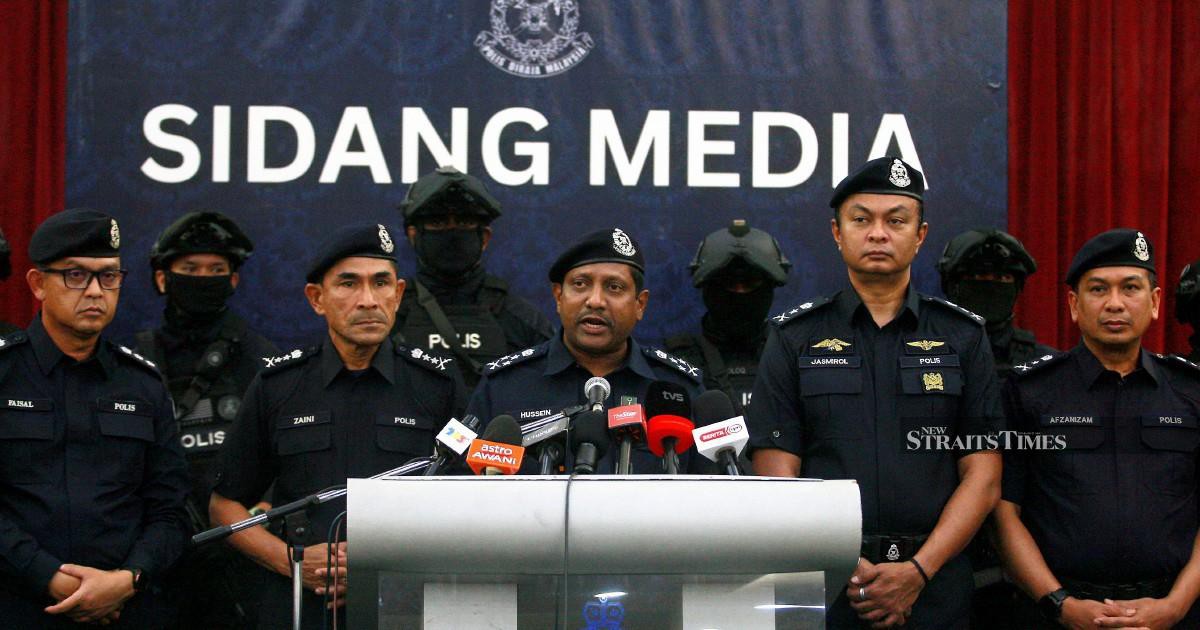
Authorities have begun interrogating a Kuala Lumpur International Airport worker as part of their widening inquiry into the case of a Malaysian pilot apprehended in Jakarta while in possession of controlled substances. The questioning represents a critical phase in the investigation as police attempt to establish whether airport personnel may have facilitated the movement of illicit drugs through Malaysia's primary aviation hub.
The detained pilot's arrest in the Indonesian capital has triggered alarm among Malaysian aviation authorities and law enforcement agencies concerned about the potential vulnerability of airport security protocols. KLIA, handling millions of passengers annually and serving as a major regional transit point, has become the focus of scrutiny as investigators examine possible breaches that could have enabled drug smuggling operations.
Police officials cautioned against premature conclusions regarding insider involvement at the airport. The questioning of the KLIA staff member represents standard investigative procedure rather than confirmation of complicity. Authorities are pursuing multiple investigative threads simultaneously, including examining the pilot's movements, financial records, and communications to establish any patterns or networks that might indicate coordinated activity with airport employees.
The case highlights growing concerns about drug trafficking through Southeast Asian aviation networks. Malaysia's strategic geographic location between major drug production regions and consumption markets has made its airports attractive targets for smuggling operations. The incident underscores vulnerabilities that extend beyond traditional security measures, particularly regarding staff screening and internal control mechanisms.
For Malaysian readers and regional observers, the investigation demonstrates how organised drug networks exploit aviation infrastructure. Major airports across Southeast Asia have become battlegrounds where authorities struggle to prevent contraband movement while maintaining operational efficiency. The involvement of a pilot—a position traditionally considered low-risk by security agencies—suggests criminal networks are actively recruiting individuals with legitimate access to restricted areas and international travel routes.
The interrogation process will likely examine whether any KLIA personnel provided information about flight schedules, cargo handling procedures, or security protocols that might have assisted in drug concealment or transportation. Financial investigations may reveal suspicious transactions between the pilot and airport workers. Phone records and surveillance footage from the airport are presumably being reviewed to document any suspicious interactions.
The timing and circumstances of the pilot's Jakarta arrest remain significant. Whether the discovery occurred through routine customs procedures, intelligence work, or informant tips could indicate the sophistication level of the smuggling operation. If organised crime elements coordinated the movement through Malaysia, the involvement of insiders becomes more probable, as such operations typically require detailed knowledge of security systems and inspection protocols.
Malaysia's reputation as a reliable international aviation hub depends partly on demonstrated security competence and transparency in handling such incidents. The KLIA management and Ministry of Transport will face pressure to demonstrate that internal safeguards are effective and that any breaches identified will result in corrective action. Public confidence in the airport's security procedures directly affects Malaysia's standing as a preferred regional destination for international carriers and passengers.
The investigation also reflects broader challenges facing law enforcement agencies across Southeast Asia regarding drug interdiction. Limited resources, porous borders, and sophisticated criminal operations create an environment where determined traffickers can exploit security gaps. Even with modern screening equipment and trained personnel, detecting determined smugglers requires constant vigilance and intelligence-led approaches that go beyond physical security measures.
For Malaysian aviation industry stakeholders, the case serves as a reminder of the importance of comprehensive employee vetting programmes and ongoing security training. Airlines and airport operators must balance operational requirements with rigorous background checks for staff with access to sensitive areas. The regional aviation community may review existing protocols following this incident.
The investigation's ultimate conclusions will influence how Malaysian authorities approach airport security in coming months. If insider involvement is confirmed, more intensive internal controls and staff monitoring may be implemented. Conversely, if the pilot acted independently, the focus will shift toward personal recruitment by international trafficking networks rather than systematic airport vulnerabilities.
As investigations proceed, Malaysian law enforcement coordination with Indonesian authorities becomes increasingly important. Information sharing regarding the circumstances of the pilot's arrest, the quantity and type of substances involved, and suspected destinations for the contraband will provide crucial context. Regional cooperation mechanisms, though sometimes strained, prove essential when transnational crime involves multiple jurisdictions and complex supply chains.
The case underscores that drug trafficking remains a persistent regional security challenge requiring sustained attention, resources, and international cooperation. For Malaysia specifically, maintaining confidence in KLIA's operational integrity while preventing criminal exploitation of its facilities represents an ongoing balancing act that security agencies must manage with transparency and effectiveness.

