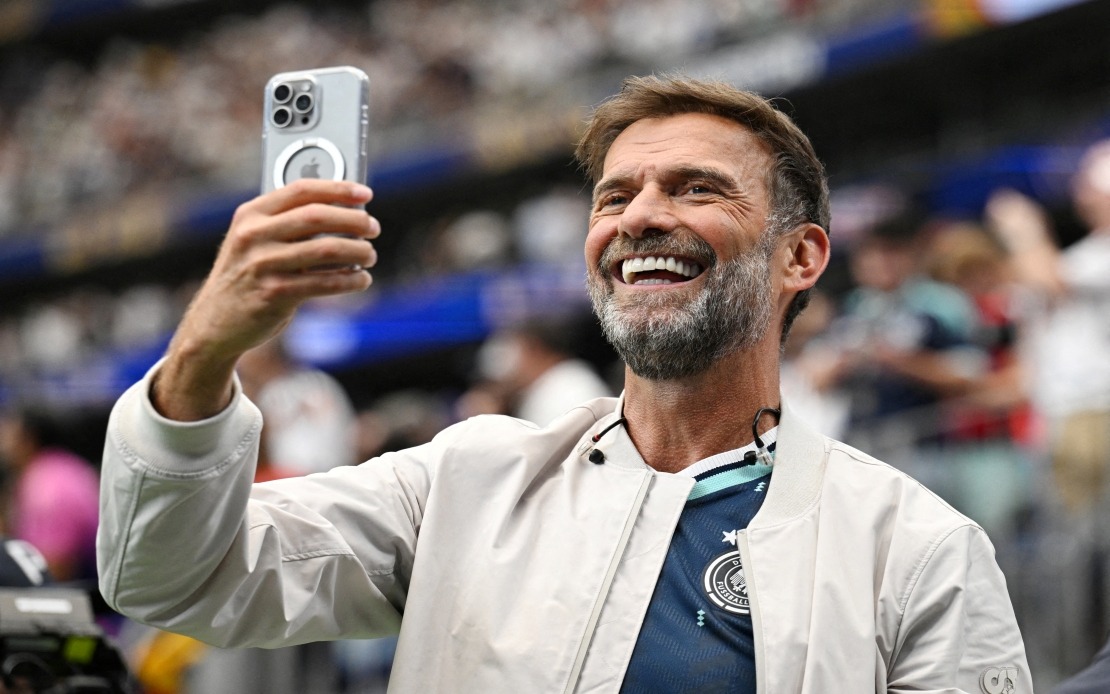
Jürgen Klopp has publicly acknowledged ongoing discussions with the German Football Federation (DFB) regarding the vacant national team coaching position, following Julian Nagelsmann's resignation in the wake of Germany's penalty shootout loss to Paraguay in the World Cup last 32 round. Speaking on MagentaTV, the former Liverpool and Borussia Dortmund manager indicated his availability for the role while cautioning that meaningful progress on a potential appointment would require extended deliberations between all parties involved.
Nagelsmann's departure came after nearly three years in charge, with the tournament elimination marking a significant disappointment for German football. The DFB wasted little time in approaching potential candidates, with Klopp emerging as a leading contender given his extensive pedigree in elite European football and his familiarity with German clubs and the national team's expectations.
Klopp's statement that he feels "recharged" and "ready" comes after a sabbatical lasting nearly a year since departing Liverpool in summer 2024. His pivot to a Global Soccer head role at Red Bull represented a departure from full-time coaching, allowing him recovery time following his extensive tenure at Anfield. The timing of the DFB's approach aligns with his renewed readiness to engage in high-level competitive management, though he stressed that moving from a senior advisory position to international coaching demands serious consideration.
Crucially, Klopp identified structural and systemic challenges within German football rather than individual culpability for recent underperformance. He characterised Nagelsmann as an "extraordinary coach" and suggested that Germany's difficulties extend beyond any single manager's influence or tenure. This perspective carries weight in German football circles, where questions about squad depth, tactical evolution, and generational transition have lingered since the country's early exit from the 2018 World Cup in Russia.
The negotiations between Klopp and the DFB face a complication: his existing contractual obligations to Red Bull extend until 2029. Rather than viewing this as an insurmountable obstacle, Klopp indicated a constructive willingness to work toward resolution that would preserve Red Bull's institutional reputation and standing. His discussion with Red Bull's chief Oliver Mintzlaff suggests preliminary groundwork toward potential separation, though the specifics of any arrangement remain undisclosed.
For Malaysian and Southeast Asian observers, Klopp's potential appointment represents another chapter in the broader narrative of European football management. The German national team coaching position carries historical significance and continental prestige that extends beyond club competitions. A successful Klopp tenure could reshape discussions about modern tactical approaches within international football, particularly regarding the integration of pressing systems and contemporary defensive organisation at the highest level.
The protracted nature of these negotiations reflects the complexity of international football appointments. Unlike club positions where directors and owners can act with relative autonomy, national team coaching involves federation politics, sponsorship considerations, and the delicate management of public expectations following tournament disappointment. Germany's footballing public and media maintain exacting standards, and any successor to Nagelsmann faces immediate scrutiny regarding approach and team composition.
Klopp's cautious public messaging—emphasising that talks will "have to be intensive"—signals realistic expectations about the timeline for resolution. The DFB cannot rush a decision on such a prominent appointment, particularly given the need to assess available alternatives and navigate the complexities surrounding Klopp's existing Red Bull arrangement. The federation must also consider whether a manager of Klopp's profile can be attracted away from his current advisory position, a question that extends beyond simple salary negotiations.
The underlying tensions within this situation deserve examination. Germany's football development system remains among the world's most sophisticated, yet recent tournament performances have disappointed by national standards. Klopp's observation that problems transcend individual coaching appointments hints at deeper questions about squad construction, player development pathways, and the generational transition following the retirements of long-serving internationals. Any new manager inherits these structural considerations alongside the immediate pressure to deliver results in upcoming international competitions.
From a regional perspective, European football's approach to managerial transitions offers lessons for football development across Southeast Asia. The German model—emphasising system continuity, academy development, and strategic long-term planning—continues influencing football federations globally. How the DFB navigates this coaching transition, and whether Klopp ultimately accepts the position, will likely inform discussions about best practices in managerial appointment and institutional stability within football governance structures.

