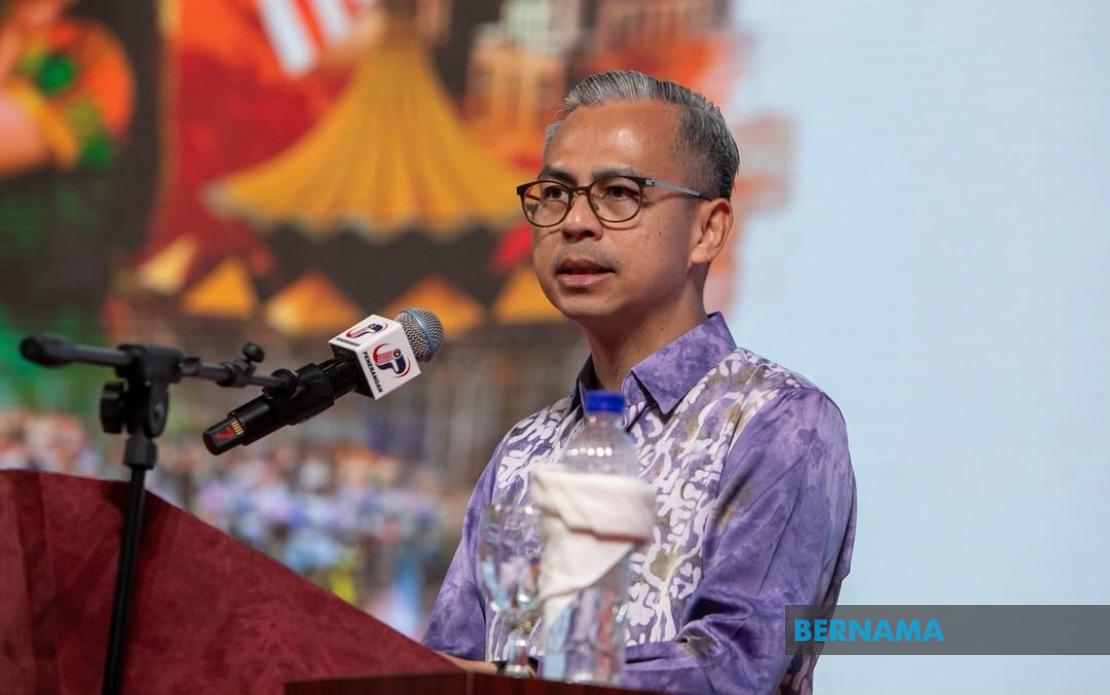
The Kembara Merdeka Jalur Gemilang convoy will retain its role as a significant initiative for nurturing patriotism and strengthening bonds of unity across Malaysia, Communications Minister Datuk Seri Fahmi Fadzil announced during the launch of the 2026 National Month and Fly the Jalur Gemilang campaign in Ipoh on July 19. Speaking at the Sultan Azlan Shah Ministry of Health Training Institute in Tanjung Rambutan, Fahmi underscored the government's commitment to ensuring the annual convoy continues to inspire Malaysians to take greater pride in their nation and appreciate the sacrifices made during the independence struggle.
The convoy programme has been integrated into the official calendar of events marking Malaysia Day and National Month celebrations, with the 2026 edition falling under the broader theme of 'Malaysia MADANI: Kesejahteraan Dinikmati' (Malaysia MADANI: Shared Prosperity). This thematic framework reflects the government's wider development philosophy of ensuring prosperity reaches all segments of society while maintaining social cohesion and national identity. By anchoring the convoy within this larger narrative, organisers hope to connect the celebration of independence with contemporary aspirations for inclusive economic growth and national wellbeing.
While acknowledging budget constraints in the current economic climate, Fahmi stressed that the government remains unwavering in its dedication to meaningful national commemorations that do not compromise on substance despite prudent resource management. The scaling of celebrations according to available funds represents a deliberate balancing act between honouring national symbols and demonstrating fiscal responsibility to taxpayers. This approach has become increasingly important as governments worldwide reassess spending priorities in the post-pandemic era, and Malaysia's willingness to maintain cultural and patriotic initiatives while exercising restraint signals confidence in the nation's stability and planning capacity.
A complementary initiative gaining traction is the 'One House, One Jalur Gemilang' campaign, which aims to expand the visibility of Malaysia's national flag across residential neighbourhoods and public spaces. By encouraging families and communities to display the Jalur Gemilang year-round, particularly during official commemorative periods, the campaign seeks to transform the flag from a symbol displayed only during formal occasions into a permanent fixture of Malaysian life. This grassroots approach recognises that patriotism manifests most authentically when citizens voluntarily embed national symbols into their everyday environments rather than responding to top-down directives alone.
The flag campaign carries particular resonance in Malaysia's multicultural context, where the Jalur Gemilang transcends ethnic and religious lines as a unifying emblem. For a nation built on constitutional provisions requiring respect for symbols of sovereignty, sustained public engagement with flag displays reinforces the legal and social foundations of national cohesion. Enhanced participation in such initiatives can also serve as a practical barometer of public sentiment regarding national identity and social unity, providing policymakers with grassroots insights into the effectiveness of patriotic messaging.
Prime Minister Datuk Seri Anwar Ibrahim's presence at the launch ceremony underscored the high-level political importance attached to these celebrations and the government's resolve to prioritise national unity amidst ongoing economic and social challenges. The Prime Minister's direct involvement signals that beyond ceremonial value, these patriotic programmes form part of the government's broader strategy to strengthen social bonds and collective identity during a period marked by considerable domestic debate on various policy fronts. By visibly endorsing these initiatives, the leadership demonstrated commitment to transcending partisan divisions through shared national symbols and commemorative practices.
The event also featured National Unity Minister Datuk Aaron Ago Dagang and Perak Menteri Besar Datuk Seri Saarani Mohamad, reflecting the multi-layered governmental approach to unity-building. The inclusion of state-level leadership ensures that national campaigns are contextualised within regional identities and local community dynamics, recognising that patriotism and unity must be cultivated simultaneously at federal and state levels. This vertical integration of governance structures underscores the administrative sophistication required to sustain nationwide programmes that maintain consistency in messaging while accommodating regional variations.
For Malaysian citizens and observers across Southeast Asia, these annual commemorations represent more than ceremonial obligation. In an era of rapid globalisation and digital fragmentation, when young people increasingly construct identities around transnational digital communities rather than geographic borders, deliberate national celebrations acquire heightened strategic importance. The government's sustained investment in the KMJG convoy and related patriotic initiatives reflects recognition that national unity cannot be assumed but requires constant renewal through culturally resonant programming and symbolic practices.
The thematic focus on 'Shared Prosperity' within the Malaysia MADANI framework adds economic and developmental dimensions to what might otherwise remain purely ceremonial. By linking patriotic sentiment to tangible commitments to improving living standards and economic opportunity for all Malaysians, organisers attempt to anchor national pride in concrete policy outcomes rather than abstract principles alone. This approach addresses growing concerns that national symbols ring hollow for populations struggling with cost-of-living pressures, inflation, and employment uncertainties.
Looking toward 2026, the KMJG convoy's continuation signals governmental confidence in the enduring utility of mobile, participatory patriotic programmes over stationary, spectator-oriented ceremonies. The convoy format allows diverse communities across Malaysia's varied geography to engage with national celebrations without travelling to centralised venues, democratising access to these important events. This mobile architecture particularly benefits rural populations and those in remote areas who might otherwise find meaningful participation in national observances logistically challenging or economically prohibitive.

