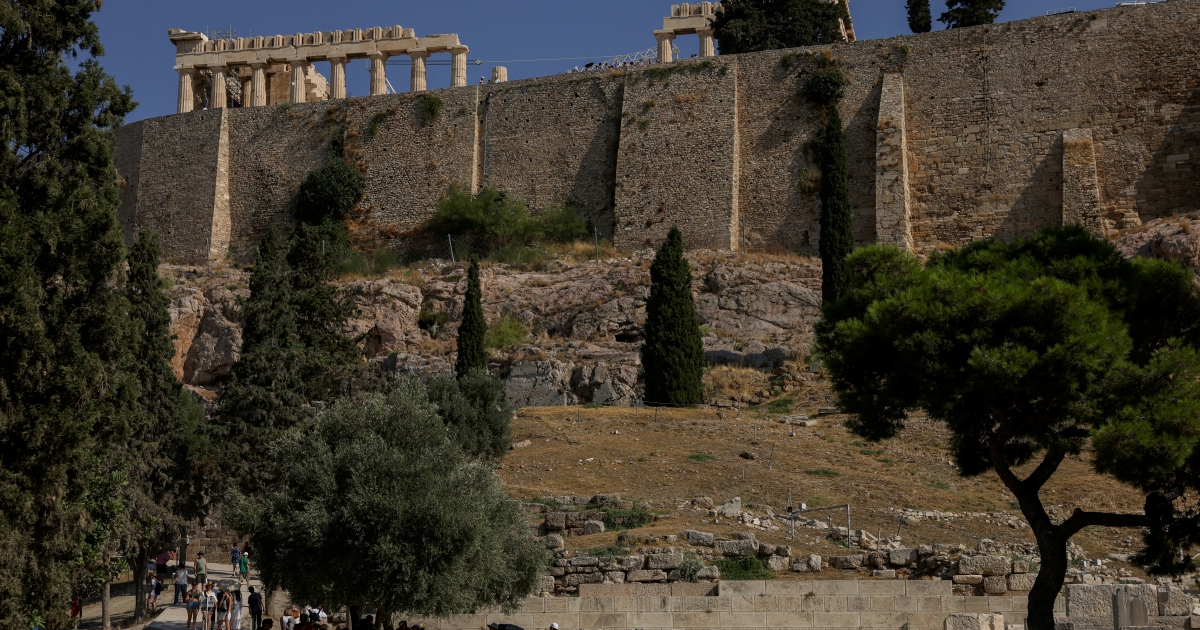
An assault on visiting tourists has cast a shadow over one of Europe's most celebrated historical destinations. On Tuesday in Athens, a man in his sixties attacked two Greek-American visitors near the Acropolis, the ancient citadel that stands as the centrepiece of Greece's cultural heritage and one of the world's most significant archaeological complexes. The incident resulted in injuries to both tourists before authorities apprehended the perpetrator.
The attack unfolded in the vicinity of the Acropolis area, a densely visited zone that encompasses not only the legendary ruins themselves but also bustling surrounding precincts frequented by upwards of 2 million visitors annually. The location's prominence in global tourism means such incidents draw considerable attention, particularly for their implications regarding visitor safety at major international heritage sites. The assault took place amid typical daytime tourist activity, underscoring the unpredictability of such events even in highly populated and monitored areas.
Greece's tourism sector remains economically vital to the nation's recovery, with Athens serving as the primary gateway for international travellers. The Acropolis and its surrounding archaeological zones constitute the capital's main attraction, drawing visitors from every continent. For many Southeast Asian travellers, particularly those from Malaysia planning European holidays, Greece's classical monuments represent a bucket-list destination, making news of violence in these areas a matter of concern for holiday planners and tour operators across the region.
The arrest of the 60-year-old suspect occurred promptly following the attack, indicating effective police response to the incident. Greek authorities maintain considerable security presence around major tourist attractions, particularly the Acropolis area, which has faced increased protective measures over the years. The quick apprehension suggests these measures functioned as intended during this emergency.
Details regarding the precise motivation behind the attack remained unclear in immediate reporting. Such random assaults at heritage sites can stem from various causes—mental health crises, interpersonal conflicts, or substance abuse—factors that plague urban centres worldwide, including major tourist destinations across Asia and Europe. The lack of apparent connection between the attacker and victims suggests the nature of the assault may have been entirely opportunistic rather than targeted.
The two victims' status as Greek-American tourists adds a transatlantic dimension to the incident. This demographic represents a significant visitor cohort to Greece, with diaspora communities frequently returning to ancestral homelands while also introducing family members and friends to their heritage. Tourism authorities will likely be concerned about potential impact on visitor confidence, particularly among North American travellers who constitute a major revenue source for Greek tourism.
For Malaysian travellers and those from other Southeast Asian nations, this incident presents a sobering reminder regarding travel safety protocols. While Greece remains statistically one of Europe's safer destinations, visitors are routinely advised to exercise situational awareness in crowded areas around major attractions, to avoid isolated zones particularly after dark, and to keep valuables secured. The Acropolis precinct, despite its high foot traffic and police presence, remains an urban environment where typical city safety principles apply.
Greek tourism officials have historically maintained that such incidents, while serious and regrettable, remain statistically rare considering the volume of international visitors the country receives. Nevertheless, the psychological impact of violent crime on destination perceptions can extend beyond the immediate victim count. Media coverage of attacks near iconic sites often influences travel decisions, potentially affecting bookings and tour planning across multiple markets.
The incident highlights the broader challenge facing major heritage destinations worldwide—balancing open access for visitors with security considerations. Sites like the Acropolis cannot implement the fortress-like barriers common at sensitive installations, as such measures would fundamentally alter the visitor experience and contradict the democratic accessibility that makes these locations special. Instead, authorities rely on visible policing, surveillance systems, and rapid response protocols.
For regional tour operators and travel agencies servicing Malaysian clients, this event will likely generate routine inquiries regarding safety. Such queries present an opportunity to discuss Greece's overall safety record and the specific incident's exceptional nature rather than representing a systemic problem. Most travellers experience Greece without incident, with Athens remaining considerably safer than many global megacities.
The investigation into this attack will proceed through Greek judicial channels, with authorities examining potential contributing factors. Regardless of the outcome, the incident serves as a reminder that travel advisories and insurance considerations matter, and that tourists should remain vigilant while still maintaining perspective about risk. The Acropolis and broader Athens region will undoubtedly remain prime destinations for international visitors, including those from Malaysia and Southeast Asia, despite this temporary disruption to its otherwise well-established tourism reputation.

