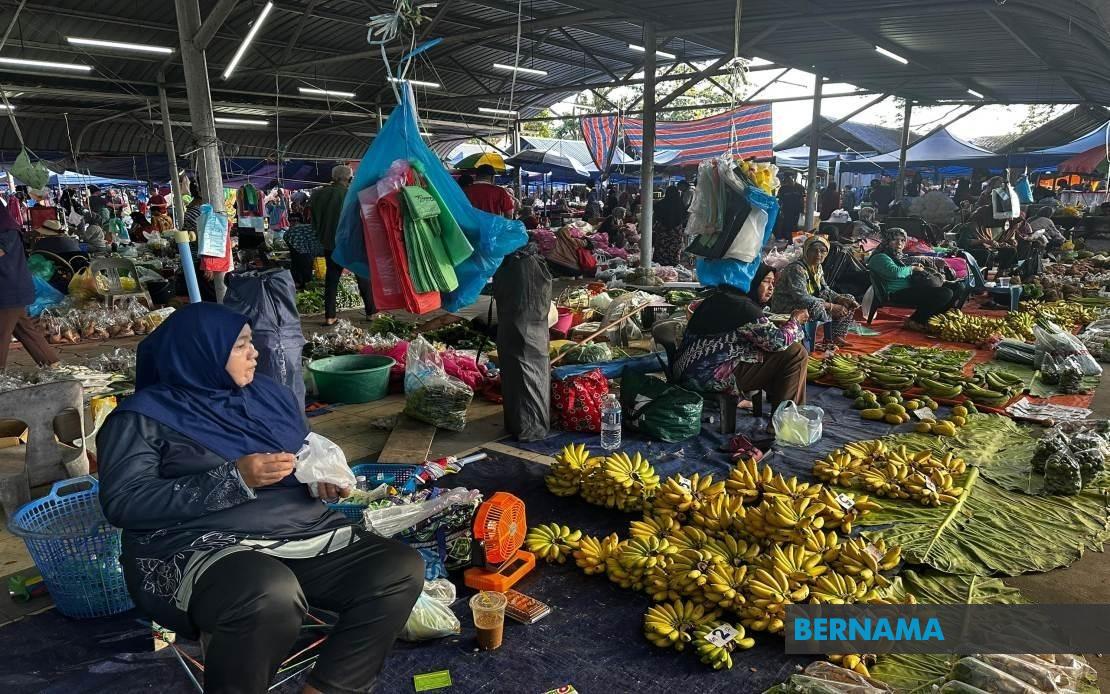
The prospect of securing UNESCO World Heritage Site status for Kota Belud's historic Tamu, or traditional market, faces a lengthy and complex pathway requiring substantial groundwork before any formal nomination can proceed, state legislators heard this week. During a sitting of the Sabah State Legislative Assembly, government officials clarified that transforming the cultural landmark into a recognized world heritage site demands far more than symbolic designation—it necessitates exhaustive academic inquiry, meticulous archival work, and strategic preparation to meet the organization's stringent international standards.
Assistant Minister of Tourism, Culture and Environment Dr Andi Md. Shamsureezal addressed the assembly in response to questions about the state's ambitions to elevate the Kota Belud Tamu's global standing. He emphasized that UNESCO's nomination framework imposes rigorous procedural requirements and stipulates extended timelines for evaluation, positioning the venture as a multi-year undertaking rather than a swift administrative formality. The complexity reflects UNESCO's commitment to ensuring that any site bearing its world heritage designation genuinely represents irreplaceable cultural, historical, or natural significance warranting international protection and recognition.
The minister identified several foundational requirements that must be satisfied before submission. These encompass comprehensive investigations into the tangible dimensions of the market—its physical structures, architectural features, and any archaeological elements scattered across or beneath the site. Equally important are intangible cultural dimensions: the traditions, practices, knowledge systems, and living heritage woven into the market's daily operations and community significance. Both strands of inquiry demand specialized expertise, extensive fieldwork, and careful analysis to construct a persuasive case within UNESCO's framework.
Beyond empirical research, the nomination package must incorporate substantial historical and scientific documentation establishing the site's credentials. This evidence must persuasively demonstrate what UNESCO terms "Outstanding Universal Value," a criterion requiring proof that the site possesses exceptional cultural importance transcending national boundaries and meriting preservation for all humanity. For a traditional market like Kota Belud's Tamu, this might encompass its role as a repository of indigenous trading practices, its function as a meeting point for diverse ethnic communities, its historical continuity across generations, or its embodiment of unique cultural expressions found nowhere else in comparable form.
The Kota Belud district has already achieved partial recognition within the international heritage ecosystem through designation as part of the Kinabalu UNESCO Global Geopark, a milestone accomplished in May 2023. This geopark status, while distinct from world heritage recognition, provides a foundation upon which the Tamu nomination might build. The geopark framework allows Sabah to contextualize the market within broader narratives about the region's geological significance and human heritage, potentially strengthening the case for expanded recognition.
Sabah Parks, serving as the operational custodian of the geopark, has already launched initiatives bridging conservation and community engagement. The "Tamu Geopark" programme represents a pragmatic strategy to maximize the market's cultural visibility while simultaneously generating sustainable economic returns for local residents. By positioning the Tamu as a venue showcasing indigenous gastronomy, traditional garments, artisanal crafts, performance arts, and locally-produced goods, the programme fulfills dual objectives: it preserves and celebrates living cultural expressions whilst providing economic incentives for community members to maintain these traditions.
This approach holds particular relevance for Southeast Asian heritage preservation efforts, where many intangible cultural practices face erosion as younger generations migrate to urban centers and economic structures shift. By creating direct economic linkages between cultural maintenance and tourism revenue, the geopark initiative demonstrates how heritage protection need not conflict with local development aspirations. The model recognizes that sustainable conservation requires beneficiaries to perceive heritage maintenance as economically rational, not merely nostalgic obligation.
For Malaysian readers, the Kota Belud case study illuminates broader tensions between heritage preservation and regional development. Sabah's approach—combining scientific documentation with community-focused tourism—reflects growing international consensus that top-down conservation models often fail without local stakeholder investment. The extended timeline for UNESCO nomination, while potentially frustrating to stakeholders eager for international validation, actually provides valuable space for building robust community consensus and ensuring that any eventual designation reflects genuine local priorities rather than external bureaucratic categories.
The nomination process also signals Sabah's strategic positioning within Malaysia's cultural diplomacy landscape. As the peninsula's heritage institutions have accumulated substantial UNESCO recognition, East Malaysian counterparts increasingly assert their own cultural significance. Kota Belud's Tamu represents an opportunity to demonstrate that exceptional heritage exists beyond Peninsular Malaysia, potentially redirecting international attention and tourist flows toward Sabah's distinctive offerings. This competitive dynamic, while sometimes implicit, shapes state governments' investment decisions regarding heritage documentation and promotion.
Looking forward, the extensive preparatory work outlined by Dr Andi represents not bureaucratic obstruction but necessary foundation-laying for meaningful international recognition. Rushed nominations risk rejection and damage to subsequent applications, whilst thorough preparation maximizes success probability. The government's candid acknowledgment of these complexities suggests realistic rather than merely promotional engagement with UNESCO frameworks—a posture that may ultimately serve Sabah's heritage interests more effectively than overambitious timelines or inadequately supported claims.

