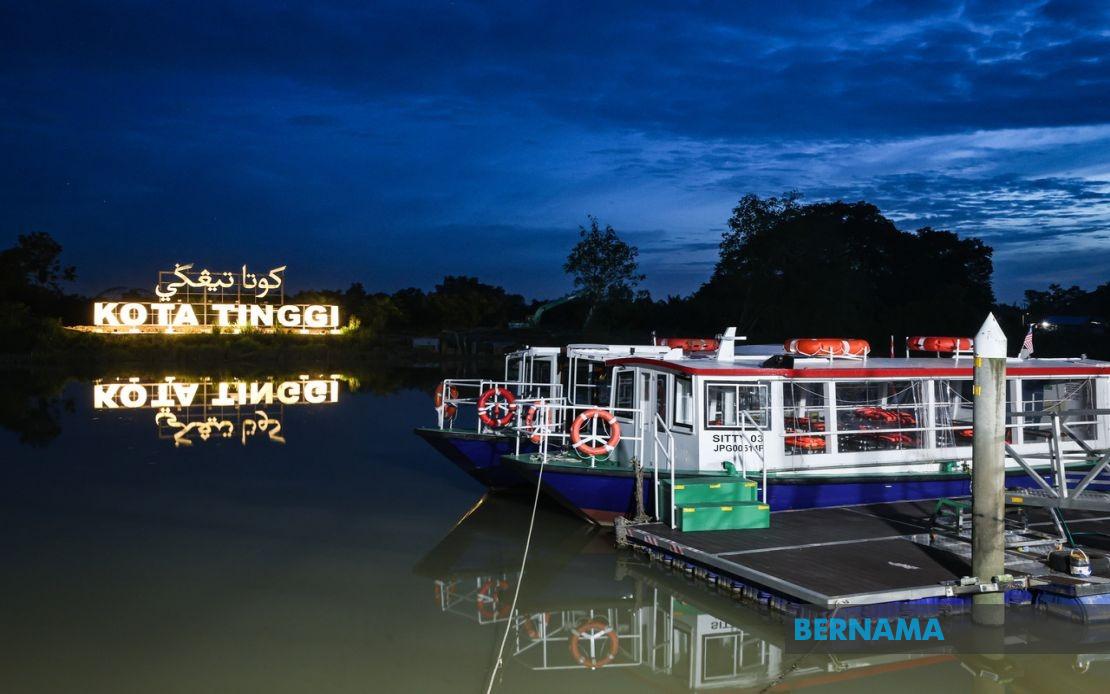
The soft rumble of an engine cuts through the serene waters of Sungai Johor as a cruise departs from Pangkalan Kota Jetty, transporting passengers into both the natural landscape and storied past of Johor's heartland. What begins as a modern leisure experience quickly transforms into a journey through centuries of Southeast Asian history, as the busy waterfront recedes and dense vegetation takes over the riverbanks, creating an immersive escape from contemporary urban life.
The 6.7-kilometre route operated by Kota Tinggi River Cruise (KTRC) represents Johor's emerging focus on experiential tourism that merges ecological preservation with cultural storytelling. Launched under the Visit Johor 2026 initiative, this ecotourism venture demonstrates how regional governments across Malaysia and Southeast Asia are increasingly recognising the commercial and cultural value of their natural and historical assets. For Malaysia specifically, such attractions align with the nation's broader push to diversify tourism revenue beyond conventional beach resorts and shopping centres.
According to KTRC operations manager Aiman Haikal Mohd Azmi, Sungai Johor transcends its role as a mere waterway. The river served as a critical artery for the Johor-Riau Sultanate following Malacca's collapse in the 16th century, supporting early settlements such as Johor Lama and Kampung Makam. Several former Johor sultans were interred along its banks, embedding the waterway with religious and dynastic significance that continues to resonate in regional consciousness. This historical dimension transforms the cruise from a simple sightseeing tour into a gateway for understanding how river-based trade networks shaped early Southeast Asian politics and culture.
The enterprise has already exceeded expectations in its opening phase. Within the first seven months of operation, KTRC recorded more than 10,000 visitors, a figure that underscores growing domestic appetite for heritage tourism. Notably, the visitor demographic extends beyond Malaysia, drawing tourists from Singapore, Indonesia, and Brunei. This cross-border appeal signals that Johor's tourism offerings are gaining regional traction, positioning the state as a competitive destination within the Southeast Asian tourism ecosystem.
Daytime cruises guide passengers through multiple landmarks of photographic and historical interest, including Titian Laksamana, an eye-catching pedestrian suspension bridge, and the Johor River Barrage, both of which have become focal points for visitors seeking visual documentation of their experience. However, the cruise's deeper appeal lies in its narrative layer. Onboard audio commentary and live interpretive narration by tour guides introduce travellers to legendary figures such as Sultan Mahmud Mangkat Dijulang and Laksamana Bentan, weaving together military history, maritime prowess, and sultanate governance into an accessible educational experience.
The company has strategically diversified its offerings to appeal to varying visitor preferences and schedules. Beyond the standard daytime journey, KTRC operates signature evening experiences centred on the Mesmerising Fireflies package. As daylight fades, the river ecosystem transforms dramatically, with thousands of fireflies emerging to create a natural bioluminescent display. This phenomenon appeals to nature enthusiasts and photographers alike, positioning nocturnal river tourism as a distinct product category within Johor's leisure portfolio.
For guests prioritising comfort and dining experiences, the Dining Cruise package provides a sophisticated alternative. Passengers enjoy prepared meals aboard vessels while panoramic views of Kota Tinggi unfold across the water. This option targets higher-spending tourists and special occasion visitors, expanding the venture's revenue potential across multiple price points and consumer segments. The combination of culinary experience with curated natural scenery represents a growing trend in premium eco-tourism across Southeast Asia.
Operational logistics reflect a visitor-centric approach. KTRC maintains daily service from 9 am to 7 pm on weekdays, extending hours until 10 pm from Friday through Sunday, with departures scheduled hourly. This frequency minimises waiting times and accommodates flexible travel schedules. Pricing remains accessible to middle-income families while maintaining sustainability. Daytime tickets are set at RM20 for adults, RM15 for children, and RM10 for seniors and persons with disabilities. Evening and firefly cruises carry modest premiums at RM23 for adults, RM17 for children, and RM13 for seniors and disabled visitors.
Aiman Haikal emphasises that such initiatives generate tangible economic benefits for surrounding communities beyond tourism revenue alone. Heritage and nature-based attractions create employment opportunities in guiding, hospitality, and ancillary services while incentivising riverine ecosystem protection. When local stakeholders gain economic incentive to preserve natural and cultural resources, conservation becomes self-sustaining rather than government-dependent. This model has proven effective across Southeast Asia, where community-based ecotourism has protected fragile environments whilst lifting household incomes.
The cruise's success also reflects broader shifts in Malaysian tourism strategy. Rather than competing primarily on price or convenience against international rivals, regional attractions increasingly compete on authenticity, cultural depth, and ecological distinctiveness. Sungai Johor offers experiences difficult to replicate elsewhere—specific historical narratives, endemic ecosystems, and localised heritage that justify regional and international travel investment. This differentiation strengthens Johor's positioning within Malaysia's tourism hierarchy.
Government backing remains crucial for the venture's expansion and sustainability. Aiman Haikal calls for continued state-level support for heritage and nature-tourism products, acknowledging that infrastructure maintenance, environmental monitoring, and promotional capacity require public-sector partnership. As Johor advances its Visit Johor 2026 agenda, the river cruise exemplifies how integrated public-private collaboration can transform underutilised natural assets into thriving economic engines. For Malaysian policymakers and Southeast Asian governments alike, the model demonstrates that heritage tourism requires long-term commitment and cross-sector investment rather than speculative short-term ventures.
Looking forward, the sustained visitor numbers and positive reception suggest potential for replication across Johor's other river systems and throughout Malaysia's sultanate-rich Peninsular regions. As regional tourism rebounds and international arrivals increase, attractions anchored in genuine historical and ecological significance increasingly command traveller attention and expenditure. The Sungai Johor cruise represents not merely a successful local initiative but a prototype for how Malaysian heritage and natural endowments can be mobilised strategically to enhance regional competitiveness and generate inclusive economic benefits.

