The Ministry of Domestic Trade and Cost of Living has pledged to investigate tailored assistance mechanisms for island residents across Peninsular Malaysia who depend on private boats for their livelihoods and daily needs. Deputy Minister Datuk Dr Fuziah Salleh made this commitment during a Dewan Rakyat session on July 1, acknowledging the genuine hardships faced by these isolated communities as they navigate between their island homes and the mainland where essential services, employment, and trading opportunities are concentrated.
The announcement came in response to parliamentary pressure from Muhammad Islahuddin Abas, the Mersing MP representing Perikatan Nasional, who raised concerns about the specific vulnerabilities of island dwellers in his constituency and beyond. These residents face disproportionate costs because their transportation requirements are fundamentally different from those on the peninsula—their boats are not optional vehicles but essential lifelines for accessing medical care, education, employment, and supplies that are unavailable locally. The peculiar geography of these settlements creates genuine equity issues that standard subsidy schemes often overlook.
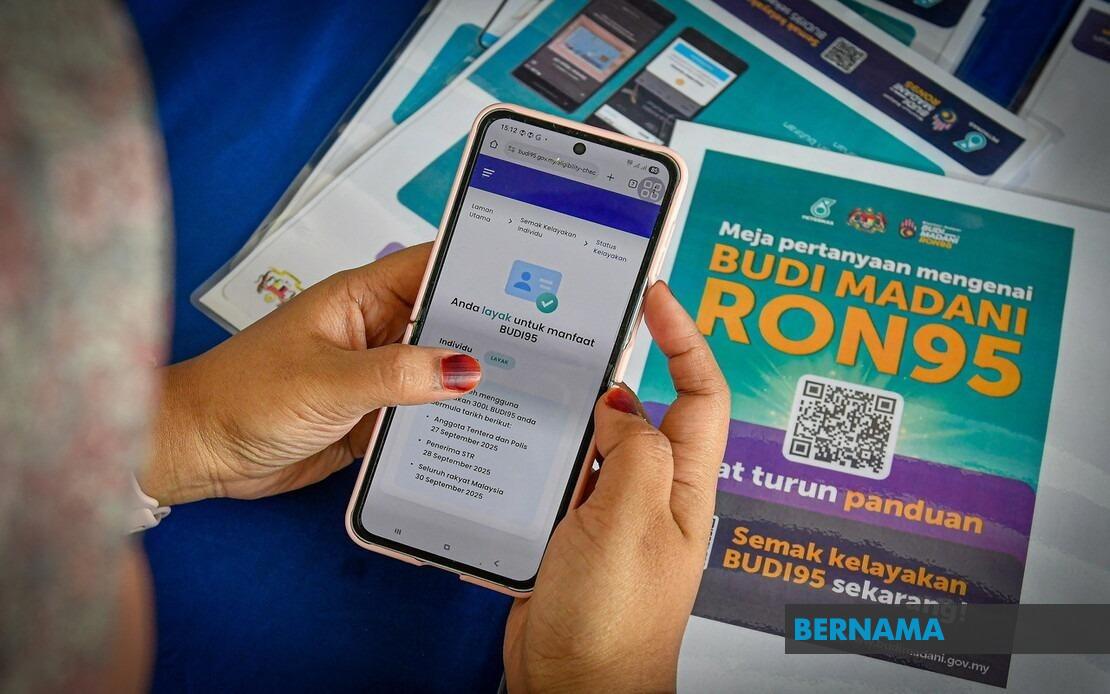
A central focus of the ministry's review will be the BUDI MADANI scheme and its existing BUDI95 component, which provides fuel subsidies to qualifying groups. Islahuddin specifically advocated for elevated quota allocations for island communities in areas such as Mersing, Johor, arguing that their consumption patterns demand higher support levels than the current framework anticipates. The rationale is straightforward: island residents cannot simply choose to use less fuel or travel less frequently—a boat journey to the mainland is not a discretionary trip but a necessity undertaken repeatedly throughout the week for survival needs.
Deputy Minister Fuziah indicated that the ministry recognizes the legitimacy of these claims and is prepared to explore creative solutions within the existing policy architecture. Her statement represents a significant acknowledgment that one-size-fits-all subsidy programs, while administratively simpler, can inadvertently exclude vulnerable populations whose circumstances deviate from conventional usage patterns. The challenge now lies in designing implementation mechanisms that account for the variable geography across Peninsular Malaysia's island communities without creating unsustainable fiscal burdens or administrative complexity.
Beyond the boat communities issue, Fuziah also revealed that the ministry is simultaneously reviewing operational procedures governing subsidised diesel access for elderly care facilities run by non-governmental organizations. These institutions currently find themselves excluded from the Subsidised Diesel Control Scheme despite their substantial transport requirements for welfare provision and elderly care operations. The exclusion stems from a technical registration distinction: these organizations are registered with the Registrar of Societies rather than the Companies Commission, creating a bureaucratic barrier that prevents them from accessing support despite their clear eligibility based on social function.
The ministry's recognition that this exclusion is administratively rather than substantively justified represents progress on a quiet but significant welfare issue. Elderly care homes transport vulnerable residents to medical appointments, rehabilitation facilities, and social programs that directly support public health objectives. By restricting subsidised diesel access to formally incorporated companies, the current framework inadvertently penalizes the non-profit organizations that often operate on thin margins and serve Malaysia's most vulnerable populations. Fuziah's commitment to refine the standard operating procedures indicates that the ministry understands these operational adjustments require only procedural innovation rather than policy overhaul.
During the same session, Deputy Minister Fuziah addressed a supplementary question from Datuk Seri Dr Wee Ka Siong regarding subsidised diesel access for marginalized economic sectors including tourism and construction. She clarified that the tourism industry remains ineligible under the current SKDS 2.0 framework, which deliberately prioritizes sectors deemed essential to national food security and basic resource distribution. This prioritization reflects deliberate policy choices about which economic activities warrant subsidy support during cost-of-living pressures.
The tourism sector's exclusion reflects the ministry's assessment that hospitality and leisure operations cannot be classified as essential services equivalent to food production and logistics. However, the decision affects ancillary tourism businesses such as transport operators, boat charters, and hospitality suppliers that depend on fuel costs for service delivery. Malaysia's tourism industry, recovering from pandemic-related disruptions and facing regional competition, has lobbied for consideration as a priority sector given its significance to foreign exchange earnings and employment. The current policy stance suggests the government remains cautious about expanding subsidy programs beyond genuinely essential categories, likely reflecting fiscal constraints.
These interconnected policy discussions reveal broader tensions within Malaysia's subsidy framework. Government support mechanisms must balance genuine need, administrative feasibility, fiscal sustainability, and economic priority. Island communities genuinely require transport support that peninsular residents do not; elderly care facilities provide social services that warrant government support; and tourism, while economically significant, may not meet threshold definitions of essential services. The ministry's approach of reviewing mechanisms rather than immediately expanding allocations suggests a pragmatic acknowledgment that solutions exist within existing frameworks, provided administrative obstacles are removed.
For Malaysian policymakers and planners, these discussions underscore the importance of examining subsidy mechanisms through equity lenses that capture how policies affect diverse populations and regions. Geographic variation, organizational structure, and sectoral classification all interact to determine who benefits from government support. Moving forward, the ministry's willingness to investigate tailored mechanisms for island communities and non-profit care facilities may establish useful precedents for considering other marginalized groups currently excluded from support schemes through technicalities rather than substantive policy rationale.

