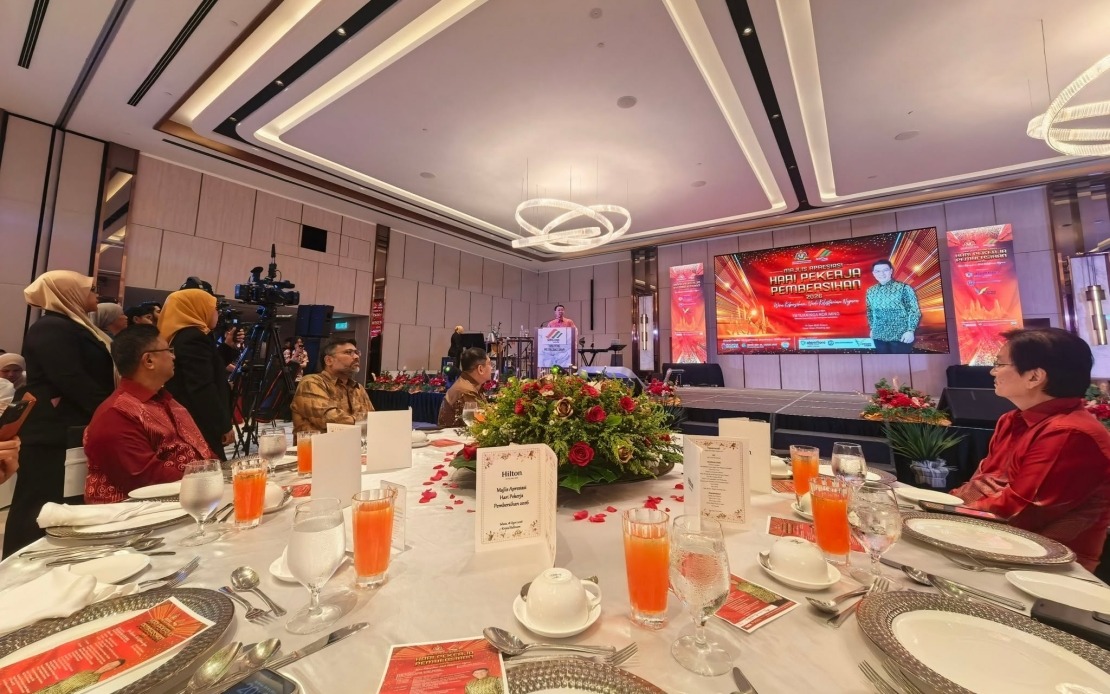
Housing and Local Government Minister Nga Kor Ming has announced an initiative to nominate recipients of the 2026 Cleaning Workers Award for state honours, marking a significant step towards recognising the contributions of Malaysia's frontline sanitation workforce. The proposal, discussed with KPKT secretary-general Datuk Dr Wira M Noor Azman Taib, aims to have award recipients presented before respective state rulers for formal recognition of their service to the nation. Speaking at the 2026 Cleaning Workers Appreciation Day event in Petaling Jaya, Nga emphasised that this expansion would ensure cleaning workers across the country receive appropriate acknowledgement for their often-overlooked contributions to public health and environmental maintenance.
The initiative represents a significant nationwide expansion of a recognition model that Penang has successfully implemented for nearly a decade. By formalising the nomination process and involving state palaces in the honours system, the ministry seeks to elevate the status of cleaning workers within Malaysian society. Nga's commitment to this expansion signals a broader shift in how government views essential service workers, particularly those engaged in roles that are frequently undervalued despite their critical importance to urban functionality and public wellbeing.
Malaysia's solid waste management and public cleansing sector currently relies on approximately 26,889 workers employed through various concessionaires nationwide. Many of these individuals have demonstrated remarkable dedication to their profession, with some having served the industry for over a decade and others having committed nearly three decades to the sector. These figures underscore the depth of institutional knowledge and experience within the workforce, yet recognition for such long-service remains inconsistent across different states. The proposal to standardise honours recognition through state palaces would address this disparity and acknowledge the cumulative contribution of workers who have spent substantial portions of their careers maintaining public infrastructure.
The role of cleaning workers extends far beyond simple tidying of public spaces. These workers operate in challenging conditions, often during unsociable hours and in varying weather conditions, to maintain the cleanliness, safety and comfort that enable daily life for all Malaysians. Despite the essential nature of their work, cleaning staff frequently operate invisibly within public consciousness, their labour taken for granted by residents and businesses alike. Nga's public acknowledgement of this critical function represents an important cultural moment, signalling that government recognises both the difficulty of sanitation work and its fundamental importance to national development and public health.
The initiative forms part of a broader government strategy to foster collective responsibility for environmental cleanliness. Nga stressed that maintaining public spaces cannot rest solely on the shoulders of cleaning workers but requires active participation from all citizens. This perspective aligns with the ministry's aspiration of creating a 'Malaysia Bersih, Rakyat Sejahtera' (Clean and Prosperous Malaysia) where cleanliness is considered a shared civic value rather than an externally-imposed requirement. By honouring those who dedicate themselves to this work, government aims to inspire broader societal commitment to environmental stewardship.
To complement the honours initiative, the ministry is strengthening enforcement mechanisms aimed at reducing littering and environmental degradation. The Solid Waste Management and Public Cleansing Corporation has been directed to intensify implementation of the Community Service Order under Act 672, using enforcement as an educational tool rather than purely punitive measure. As of August 17, authorities had issued 14,807 offence notices throughout the year, with 548 individuals undergoing community service orders across participating states. Of these, 419 have completed their obligations while 129 remain in the process, demonstrating active engagement with the enforcement framework.
The Community Service Order represents an innovative approach to environmental discipline that transcends traditional punishment paradigms. Rather than merely fining offenders, the system requires personal engagement with sanitation work, creating opportunities for violators to directly experience the labour involved in maintaining public cleanliness. This experiential approach aims to cultivate genuine awareness and responsibility rather than mere compliance, potentially creating lasting behavioural change. Government hopes that individuals who perform community service in cleaning contexts develop genuine appreciation for the work and commitment to preventing littering.
At the ceremonial event, seven workers received the 2026 Cleaning Workers Award in recognition of exceptional service and commitment. Two recipients came from Alam Flora Sdn Bhd while five were from SWM Environment Sdn Bhd, representing the major waste management concessionaires operating across Malaysia. Beyond the formal awards, the ministry also presented contributions to three recipients as tangible expressions of government support for worker welfare. Such gestures, while symbolic in nature, carry practical value and demonstrate government's willingness to invest in the livelihoods of essential service workers.
The expansion of state honours recognition carries implications beyond simple ceremonial acknowledgement. For workers themselves, recognition from state rulers provides social validation and enhanced status within their communities, potentially improving workplace morale and job satisfaction. For government, the initiative demonstrates commitment to inclusive nation-building that acknowledges contributions across all occupational categories. For broader society, formalised recognition of cleaning workers helps reshape cultural narratives around sanitation work, potentially attracting greater respect and consideration for those engaged in these professions.
Implementing state-level recognition across Malaysia's thirteen states will require coordination between KPKT and respective state palaces, ensuring consistent standards and processes. This coordinated approach contrasts with Penang's independent initiative and may establish a national framework that encourages other states to maintain regular recognition cycles. The involvement of state rulers lends constitutional and cultural weight to the initiative, positioning cleaning work within the hierarchy of valued national service.
From a Southeast Asian perspective, Malaysia's move to formalise recognition of sanitation workers reflects regional trends toward acknowledging essential workers. As other nations grapple with labour market challenges and dignity issues affecting low-wage workers, Malaysia's initiative offers a model for elevating occupational status without requiring dramatic wage interventions. The combination of formal honours, community service education, and welfare support creates a multifaceted approach to worker recognition and public behaviour modification.
The long-term success of this initiative will depend on consistent implementation and genuine commitment from state authorities. If properly executed, state honours for cleaning workers could become an anticipated annual event that builds recognition culture over time. However, ensuring that recognition translates into improved working conditions, job security, and compensation remains essential. The ministry's concurrent focus on enforcement and public responsibility suggests government recognises that honouring workers must accompany systemic improvements in how Malaysian society values and supports those engaged in essential service work.

