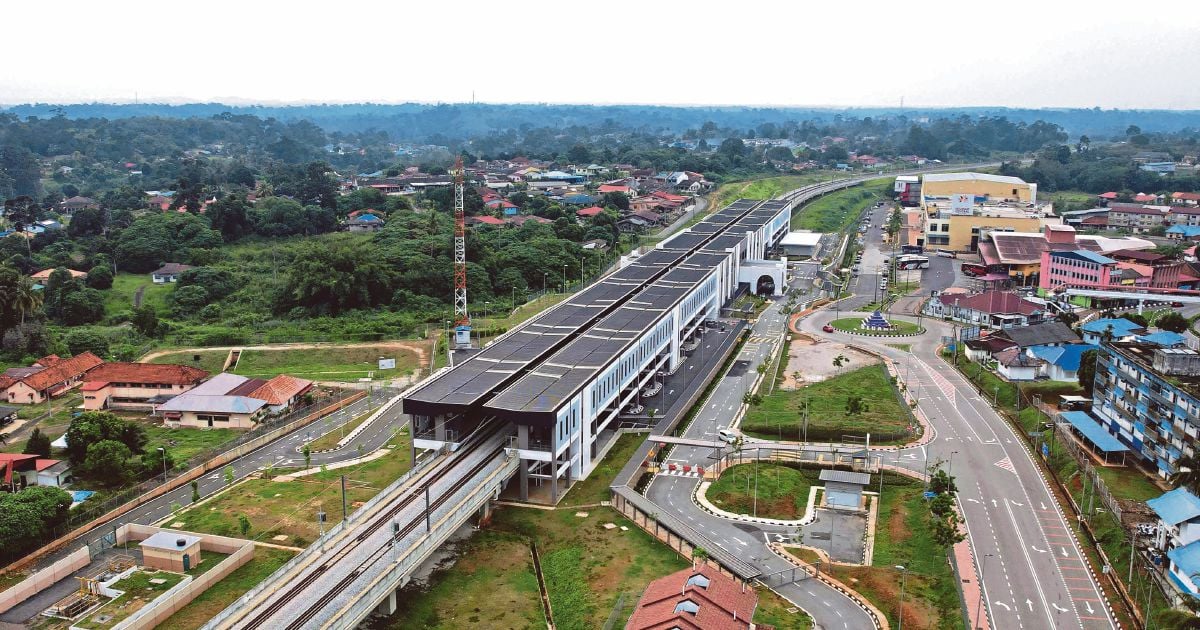
Keretapi Tanah Melayu Berhad (KTMB) is deploying substantially expanded rail capacity on its southern sector Electric Train Service in response to the Johor state election scheduled for this weekend, making approximately 7,464 additional seats available across multiple routes. The initiative forms part of a broader effort by the national railway operator to facilitate voter mobility and reduce transportation barriers during the electoral process, recognising the significant logistical challenges that voting periods pose for residents travelling between urban employment centres and their home constituencies.
The discount programme, which provides a 20 per cent reduction on standard fares for all passengers during the election period, represents an unusual but increasingly common intervention by state-linked transport providers to encourage democratic participation. The incentive aims to lower the financial burden on voters who must travel considerable distances, particularly those working in Kuala Lumpur and other federal territories but registered to vote in Johor constituencies. This approach reflects broader recognition across the transport and public sector that accessibility directly correlates with electoral engagement, especially among younger and lower-income voters who may prioritise cost in their travel decisions.
The southern ETS network, which connects major Johor population centres including Johor Bahru, Kluang, and intermediate stations with Kuala Lumpur's central terminal and beyond, typically experiences peak demand during holiday periods and long weekends. Election days, however, present unique demand patterns that differ from conventional travel behaviour. Rather than the distributed leisure travel seen during festival seasons, election-driven trips occur within compressed timeframes and concentrate on specific routes leading from employment centres to voting constituencies, requiring different scheduling and fleet deployment strategies than normal operations.
KTMB's decision to increase capacity by adding extra train services rather than simply maximising existing train occupancy reflects operational realities within Malaysia's rail system. The southern ETS corridor has defined maximum service frequencies constrained by track infrastructure, signalling systems, and maintenance requirements. Adding entirely new train rotations requires advance scheduling and crew rostering, suggesting KTMB commenced preparations well ahead of the election announcement, indicating either advance coordination with electoral authorities or standardised contingency planning for state elections.
The 20 per cent fare reduction requires eligible passengers to present documentation confirming their voter status, which raises practical questions about verification procedures at ticketing windows and online platforms. During high-traffic periods, such authentication processes can create bottlenecks or complications, particularly for passengers unfamiliar with digital ticketing systems. KTMB's implementation methodology will likely become a case study for future electoral transport initiatives across Southeast Asia, where railway operators grapple with balancing accessibility objectives against operational efficiency.
For Malaysian voters employed outside Johor, particularly those in the Klang Valley and Kuala Lumpur metropolitan areas, the expanded capacity and reduced fares meaningfully alter the cost-benefit calculation surrounding voting. Historically, transport expenses constitute a material expense for voters travelling intercity, competing with accommodation, meal, and other incidental costs. By reducing fares, KTMB removes one significant friction point that might otherwise discourage voting, particularly among salaried workers who lack paid election day leave.
The initiative occurs within broader context of Malaysian railways' strategic repositioning following years of criticism regarding reliability, cleanliness, and customer service. KTMB's increased willingness to deploy additional resources for specific public interest objectives, such as electoral participation, suggests evolving management priorities and potentially improved operational flexibility. The southern ETS expansion demonstrates capacity within the system that typically remains undeployed, raising longer-term questions about whether demand genuinely justifies permanent service increases or whether such capacity represents underutilised assets during normal operations.
Regional implications extend beyond Johor's immediate electoral context. Other Malaysian states considering upcoming elections will scrutinise KTMB's execution, potentially requesting similar transport support arrangements. Transport accessibility during elections has emerged as a policy consideration across Southeast Asia, particularly in larger nations where significant voter populations live far from home constituencies. Malaysia's approach, coordinating transport operator capacity expansion with electoral scheduling, offers a template that Thai, Filipino, and Indonesian authorities have periodically considered, though full implementation remains inconsistent.
The southern ETS expansion period will generate valuable operational data regarding passenger behaviour during high-demand periods driven by factors other than leisure or commuting. KTMB will track utilisation rates across services, identify bottleneck locations, and assess whether the 20 per cent discount successfully converted marginal voters into rail users rather than simply cannibalising existing demand from unchanged customers. This information could inform long-term capacity planning, though publicly available analysis of such electoral transport initiatives remains limited within Malaysia's transport policy literature.
For commuters not involved in the Johor election, the expanded temporary capacity might provide incidental benefits if non-voting passengers benefit from additional train frequency during the weekend period. However, the targeted discount only applies to verified voters, meaning regular recreational and leisure passengers would pay standard fares despite identical service expansion. This differentiation, while administratively logical, creates potential equity concerns and customer service complications when passengers board trains without clear segmentation between discounted and full-fare passengers.
Looking forward, KTMB's electoral support initiative establishes precedent for treating democratic participation as a legitimate service expansion justification, comparable to infrastructure investments for major sporting events or religious gatherings. Whether this represents temporary election-specific intervention or signals shifting priorities within Malaysia's transport strategy remains uncertain. The effectiveness of this weekend's operation will substantially influence whether future state and federal elections receive similar coordinated railway support across other Malaysian regions.

