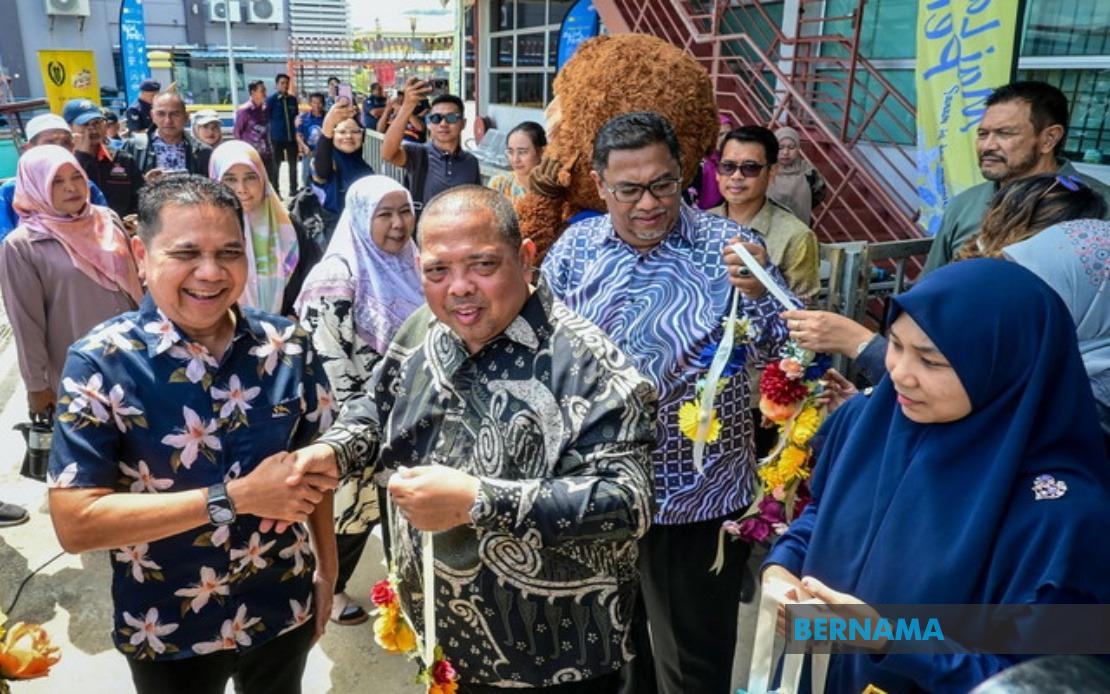
The resumption of the Kuala Perlis-Satun ferry service marks a significant milestone for Perlis tourism development, with state officials targeting between 5.5 million and six million visitor arrivals this year as the region capitalises on renewed cross-border connectivity. The maritime link, which had remained inactive throughout the COVID-19 pandemic, officially reopened its operations on July 9, creating fresh opportunities for travellers and traders seeking alternative routes between Malaysia and Thailand.
Menteri Besar Abu Bakar Hamzah has positioned the ferry's return as a transformative development for the state's economy, emphasising how the 40-minute maritime journey will facilitate seamless movement between Satun and Kuala Perlis while simultaneously generating localised economic benefits. The reopening of this cross-border corridor arrives at a time when Malaysia and Thailand are actively seeking to deepen bilateral tourism ties and strengthen regional connectivity, particularly in border areas where communities stand to gain directly from increased foot traffic and commercial activity.
The state government's projections reflect cautious optimism about tourism recovery in Perlis. By providing visitors with an alternative to traditional land borders, the ferry service is expected to redistribute traveller flows more evenly across entry points. This diversification is particularly valuable during peak periods and public holidays, when the Padang Besar border crossing frequently experiences heavy congestion that can deter both international tourists and cross-border shoppers seeking convenient access to the region.
Thailand-based tourists represent a significant portion of Perlis's target market, and Abu Bakar emphasised how the ferry link will specifically encourage shopping tourism from Satun and surrounding Thai provinces. The convenience of a dedicated sea route offers these visitors an attractive, scenic alternative to road travel while potentially extending their time in Perlis, thereby increasing per-capita spending and strengthening the state's retail and hospitality sectors. Enhanced tourism revenue would flow through the broader economy via tax collection and employment generation.
Beyond immediate tourism gains, the ferry service symbolises renewed people-to-people connectivity between Perlis and Satun after years of pandemic-induced disruption. This restoration of direct maritime links reinforces regional stability and demonstrates commitment to practical cross-border cooperation that transcends formal diplomatic channels. Abu Bakar specifically noted that the service strengthens Malaysia-Thailand relations by facilitating grassroots engagement and mutual economic benefit, aligning with broader Asean objectives around regional integration and people mobility.
The 40-minute voyage itself becomes a value-added component of the tourism experience, transforming what could be routine border crossing into a scenic coastal journey. This positioning acknowledges emerging traveller preferences for experiential, memorable journeys rather than purely functional transit. The coastal views and maritime ambiance provide natural differentiation from terrestrial border crossings, potentially appealing to photography enthusiasts and those seeking distinctive travel narratives to share across social media platforms.
However, the state government recognises that successful ferry operations depend on resolving persistent infrastructural constraints. The proposed installation of a floating pontoon addresses a fundamental operational challenge posed by Kuala Perlis's fluctuating water levels and shallow seabed conditions, which have historically complicated vessel berthing and limited operational reliability. This investment demonstrates commitment to transforming the ferry service from a seasonal novelty into year-round dependable infrastructure capable of supporting sustained tourism growth.
Longer-term ambitions extend beyond passenger ferries. The Perlis administration is actively exploring reactivation of Kuala Perlis-Satun Roll-on/Roll-off services, which would enable vehicle transport across the maritime corridor and unlock logistics efficiencies for commercial operators and cross-border traders. Such capabilities would substantially expand the economic case for maritime links, potentially attracting freight operators and enhancing the ferry terminal's commercial viability beyond passenger tourism alone.
Most ambitiously, state officials are discussing with investors a proposed RM500 million bridge project extending approximately two kilometres into the sea, designed to permanently overcome navigation channel limitations that have chronically constrained vessel movements. Such a megastructure would represent transformational infrastructure comparable to major regional crossing projects, fundamentally reshaping trade patterns and tourism accessibility across the Perlis-Satun border. While currently in exploratory discussions, this ambition signals serious state commitment to elevating cross-border connectivity to strategic priority status.
For Malaysia's tourism sector broadly, Perlis's initiatives demonstrate how provincial governments are proactively leveraging geographic positioning and bilateral relationships to compete for tourism share. The state's emphasis on cross-border cooperation offers lessons applicable to other frontier regions seeking to monetise their unique geographic advantages and cultural proximity to neighbouring markets. Success in Perlis could establish templates for similar initiatives across Malaysia's border regions.
The tourism projections—5.5 to 6 million annual arrivals—position Perlis within the middle tier of Malaysia's state tourism markets, reflecting realistic growth prospects rather than transformative ambitions. Achieving these targets will require coordinated investment across accommodation, dining, attractions, and transport infrastructure beyond the ferry service itself. State officials will need to cultivate Thai tourism partnerships, enhance destination marketing in neighbouring provinces, and ensure service standards match international expectations.
The ferry service's success also depends on operational consistency and competitive pricing relative to alternative border crossing methods. High frequency, reliability, and passenger comfort will be essential for establishing sustainable demand patterns. The state government's infrastructure investments—pontoons and potential bridge development—signal recognition that long-term viability requires removing practical barriers to usage while justifying the financial premium that maritime transport inherently carries.
As Perlis embarks on this tourism expansion journey, the reopened ferry service represents more than ceremonial restoration of pre-pandemic connectivity. It embodies strategic infrastructure thinking, bilateral cooperation commitment, and provincial tourism ambition. Success will demonstrate how border regions can harness geographic positioning and cross-boundary relationships to generate sustainable economic value while strengthening regional integration and people-to-people ties across Asean.

