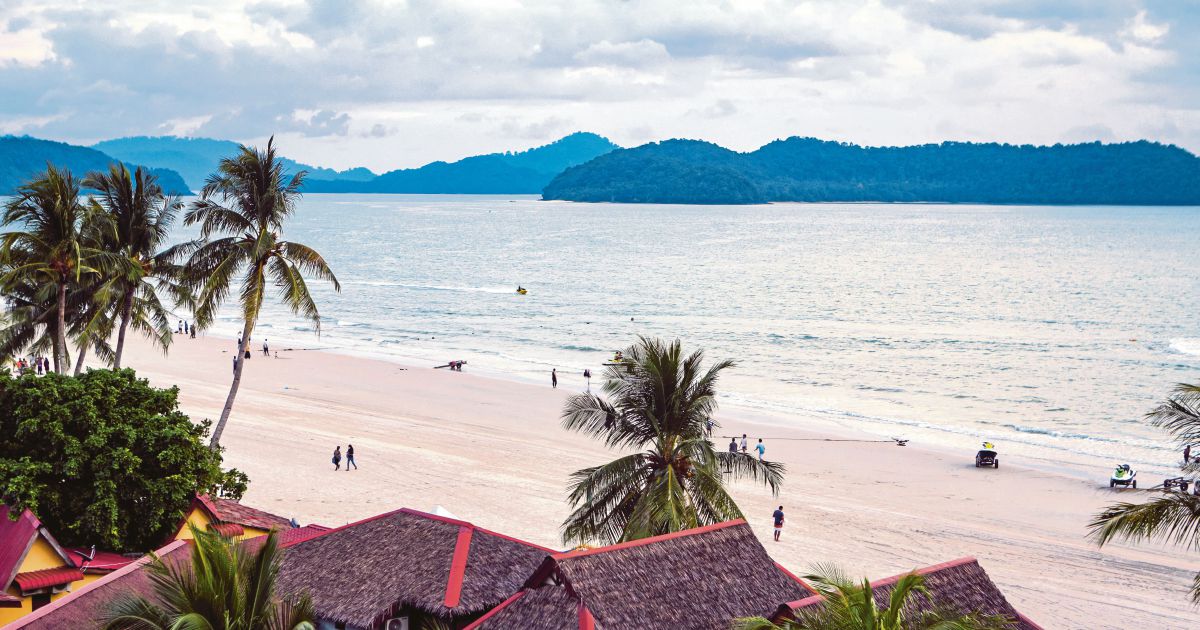
Nearly four decades since being designated a duty-free island, Langkawi continues to underperform against its considerable economic potential, raising concerns about the destination's ability to maintain relevance amid intensifying regional competition. Former prime minister Tun Dr Mahathir Mohamad has sounded the alarm that the island has realised approximately half of what it could achieve, a sobering assessment that underscores the gap between the infrastructure and policy frameworks established and the actual commercial and tourism outcomes observed on the ground.
The duty-free status granted to Langkawi was envisioned as a transformative initiative to position the island as a premier shopping and tourism hub for Southeast Asia. Yet despite this significant policy advantage and decades of development efforts, the island's performance metrics suggest considerable untapped capacity. Dr Mahathir's warning carries particular weight given his historical role in championing the island's development agenda, lending credibility to concerns that current strategies may be insufficient to realise the full scope of economic benefits available to the destination.
Regional competitors have grown increasingly sophisticated in their approaches to attracting tourism revenue and foreign investment. Thai destinations, Indonesian islands, and other Southeast Asian locations have successfully leveraged similar advantages while investing substantially in infrastructure, hospitality services, and marketing initiatives. Langkawi's relative underperformance suggests that status alone cannot guarantee sustained competitiveness without continuous innovation, strategic investment, and responsive management to evolving market demands.
The island's tourism infrastructure, while developed, requires ongoing enhancement to match the standards expected by increasingly discerning travellers. Accommodation options, dining establishments, recreational facilities, and transportation networks all demand investment to remain aligned with regional standards. Additionally, air connectivity and accessibility remain critical factors that influence visitor volumes and length of stay, directly impacting overall tourism revenue and economic spillovers throughout local communities.
Beyond conventional tourism, Langkawi possesses opportunities to diversify its economic base. Digital commerce, medical tourism, educational institutions, and specialised manufacturing could potentially capitalise on the duty-free framework and geographic positioning. Yet these sectors remain comparatively underdeveloped, suggesting that existing policy tools have not been fully leveraged to stimulate broader economic diversification beyond traditional retail and holiday tourism.
The local workforce and human capital development represent another dimension where significant improvements remain possible. Enhanced vocational training, hospitality education, and skills development programmes could strengthen service quality across industries and improve employment opportunities for residents. Investment in human capital would generate sustained competitive advantages that transcend regulatory frameworks and provide genuine differentiation from neighbouring destinations.
Marketing and brand positioning have evolved dramatically over recent years, with digital platforms and social media reshaping how destinations attract visitors. Langkawi's promotional strategies would benefit from more aggressive, data-driven approaches that target specific visitor segments and leverage emerging marketing channels. Contemporary travellers increasingly research destinations extensively before committing; a refresh of how Langkawi positions itself could meaningfully influence visitation patterns.
The sustainability dimension of further development cannot be overlooked. Langkawi's natural environment—pristine beaches, marine ecosystems, and biodiversity—represents both its primary asset and its vulnerability. Expansion must proceed with careful environmental stewardship to ensure that development does not degrade the natural attractions that initially draw visitors. Balancing growth with conservation will determine whether the island can sustain increased tourism volumes while maintaining its distinctive appeal.
Governmental coordination and policy coherence across federal, state, and local authorities remain essential to maximising development outcomes. Clear strategic roadmaps, streamlined regulatory processes, and coordinated investment in complementary infrastructure would facilitate private sector engagement and entrepreneurial initiatives. Without cohesive governance frameworks, even well-intentioned individual projects may fail to generate the multiplier effects necessary for comprehensive economic uplift.
Forcing the issue requires honest acknowledgment that past approaches, while foundational, have not extracted maximum value from available opportunities. International best practices in destination management, competitive benchmarking against regional peers, and systematic evaluation of barriers to growth should inform revised development strategies. Langkawi possesses intrinsic advantages that many destinations lack; realising even a substantially higher proportion of its potential would deliver meaningful prosperity for residents and strengthened contribution to national tourism revenue.
The window for action remains open, but regional competition intensifies annually. Destinations that demonstrate sustained commitment to innovation, quality enhancement, and strategic diversification increasingly capture larger shares of regional tourism expenditure. Langkawi's challenge is to transform Dr Mahathir's cautionary observation into a rallying point for renewed development momentum, positioning the island not merely as a shopping destination but as a comprehensive, world-class experience that justifies premium pricing and extended visitation.

