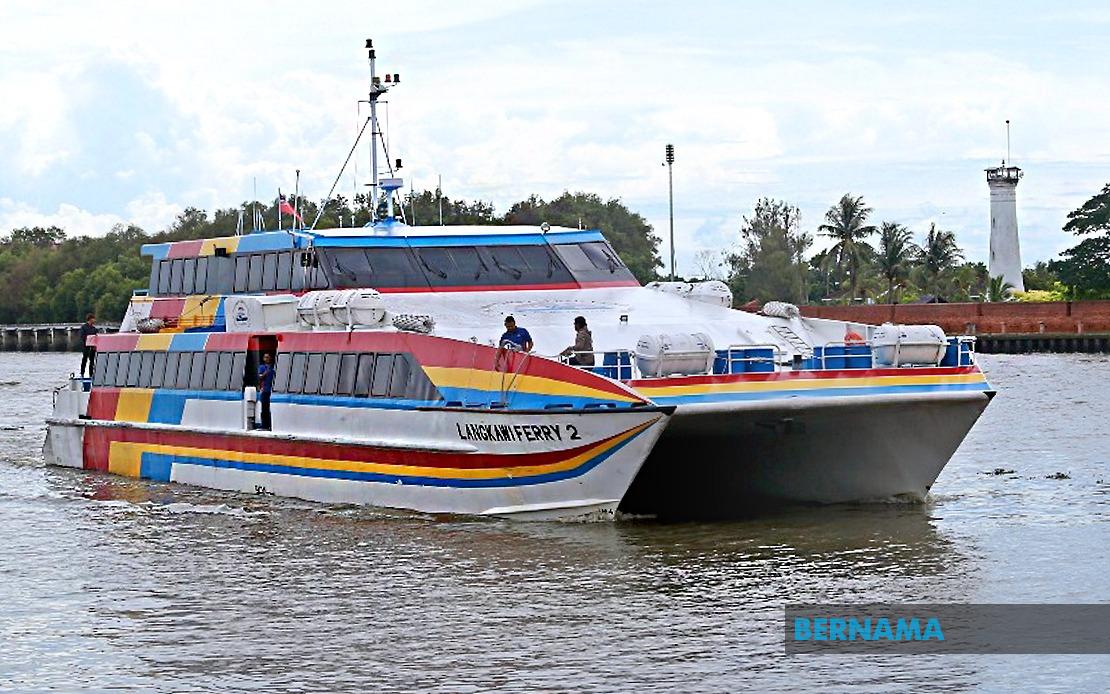
Ferry Line Ventures Sdn Bhd has raised an urgent call for the federal government to accelerate dredging initiatives along the shipping corridors connecting Langkawi to Kuala Kedah and Kuala Perlis, warning that expanding silt deposits now pose significant risks to both passenger safety and operational efficiency. The appeal underscores mounting pressure on transport authorities to address what operators describe as a deteriorating maritime infrastructure challenge that could undermine one of Malaysia's most vital island transportation links and a cornerstone of the country's tourism economy.
According to Lieutenant Commander (Retired) Norhafiz Abdul Wahid, operations manager at Ferry Line Ventures, the progressive shallowing of these navigation lanes threatens to compound existing operational difficulties. Beyond the immediate safety considerations, he emphasized that worsening conditions create cascading disruptions including schedule delays and cancelled sailings, problems that reverberate through travel plans and tourism itineraries. The shallow waters force ferry operators to exercise heightened caution, reducing their operational flexibility and capacity during periods when demand peaks.
The ferry services to and from Langkawi represent far more than a convenient transportation option; they constitute a fundamental artery for the island's tourism-dependent economy. Ferry Line Ventures' operational data reveals that these routes handle approximately 25,000 tourists daily during high season, a figure that demonstrates the scale of economic activity flowing through these channels. This volume underscores why infrastructure degradation carries serious consequences not only for the transport operators themselves but for hospitality businesses, local merchants, and government revenue streams reliant on steady visitor flows.
The timing of this appeal carries particular significance. Langkawi International Maritime and Aerospace Exhibition (LIMA), a prestigious international event scheduled for next year, will draw substantial additional traffic through these same waterways. Without prompt remedial action, Norhafiz cautioned that ferry operations could struggle to accommodate the surge in visitors, potentially creating bottlenecks that undermine Malaysia's international image as a well-managed tourism destination. The prospect of service disruptions during such a high-profile event raises concerns about Malaysia's ability to project reliability and competence to global audiences.
The operators emphasize that addressing this challenge requires more than occasional intervention. Rather, they advocate for comprehensive and systematic dredging programmes implemented on a regular schedule, transforming maintenance from reactive crisis management into proactive infrastructure stewardship. This strategic approach would maintain consistent channel depths, ensure predictable operating conditions, and enable ferry companies to plan with confidence. Regular dredging also reduces the unpredictability that currently forces operators to make difficult decisions about whether to proceed with sailings, decisions that impose costs on passengers and damage service reputation.
The immediate operational pressures are particularly acute during the school holiday period and surrounding Malaysia Day celebrations. Ferry Line Ventures has scheduled 176 regular sailings and an additional 66 trips spanning August 27 through September 6, anticipating approximately 90,000 passenger movements across the two primary routes connecting Langkawi with Kuala Perlis and Kuala Kedah respectively. This concentration of travel demand tests existing infrastructure capacity and amplifies the practical consequences of channel degradation.
Current booking patterns suggest strong passenger interest in these island routes. As of the operators' latest update, 86,978 tickets had been sold through various channels including the Cuti-Cuti Langkawi mobile application, online platforms, and physical ticket counters. These robust advance bookings indicate that tourism to Langkawi continues to attract visitors despite competition from other regional destinations, provided transport services function reliably. The operators are actively encouraging further advance purchases to manage passenger flow and optimize vessel utilization.
For Malaysian policymakers, the dredging appeal highlights a broader infrastructure financing and maintenance challenge facing the country. Many critical maritime and transport corridors operate with aging infrastructure that requires consistent capital investment to sustain functionality. The Langkawi ferry routes are neither unique in facing such pressures nor insignificant in their economic impact. Decisions about allocation of federal resources for dredging work directly influence the competitiveness and reliability of Malaysia's tourism offerings and regional connectivity.
The ferry operators' intervention in policy discourse reflects frustration with what they perceive as insufficient governmental responsiveness to maintenance requirements for established transportation routes. Unlike new infrastructure projects that generate political visibility and ribbon-cutting opportunities, maintenance work rarely captures media attention or political credit. Yet its absence generates widespread disruption and economic loss. The operators' public statements represent an attempt to shift this political calculus by emphasizing the tangible consequences of deferred maintenance.
Beyond the immediate tourism and ferry operations context, the navigation channel conditions also affect Malaysia's broader maritime commerce and strategic positioning within Southeast Asia. Reliable shipping corridors enhance the region's attractiveness as a transit hub and support the efficiency of maritime trade networks. Conversely, channels requiring constant careful navigation or subject to periodic closure impose additional costs on shippers and erode competitive advantage relative to other regional ports and routes.
The ferry operators indicate their commitment to maintaining high service standards throughout the holiday and celebration periods, suggesting they recognize their responsibility to passengers and the broader tourism industry. However, this assurance rings somewhat hollow if underlying infrastructure deterioration prevents them from fulfilling these commitments. The operators are essentially saying that willingness and resources exist to deliver quality services, but that federal infrastructure investment represents a necessary prerequisite.
Moving forward, resolution likely requires federal government engagement with maritime authorities responsible for channel maintenance, budgetary allocations for dredging contracts, and coordination with Langkawi development authorities. The operators' appeal should be viewed not as isolated complaints but as signals of infrastructure stress within Malaysia's transportation network. Prompt federal response would demonstrate governmental commitment to maintaining the physical foundations upon which regional tourism and commerce depend.

