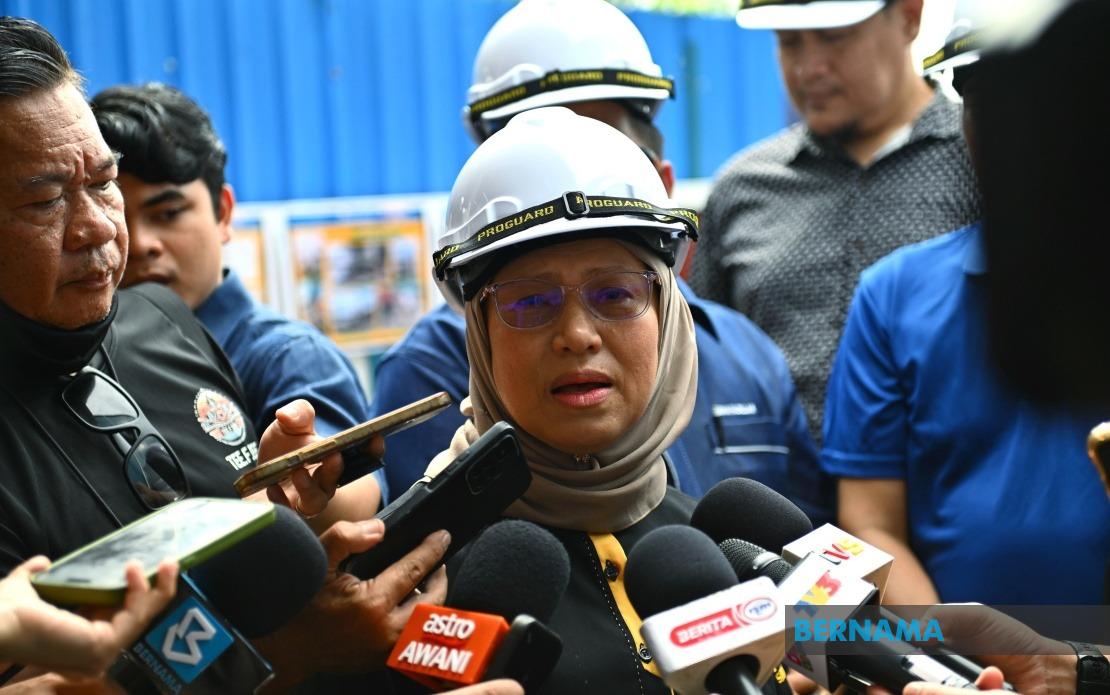
The Social Welfare Department has directed a Langkawi kindergarten to suspend its operations pending completion of a police investigation into serious allegations concerning the treatment and welfare of enrolled children. Women, Family and Community Development Minister Datuk Seri Nancy Shukri confirmed the temporary closure directive during a visit to Kuching on July 18, emphasising that authorities are treating the matter with considerable urgency and are committed to protecting child safety throughout the investigative process.
Allegations surfaced after a former teacher filed a formal complaint detailing claims of inadequate child care practices at the facility. According to Langkawi district police chief ACP Khairul Azhar Nuruddin, the reported incidents include children being required to sleep on floor surfaces without bedding and allegations that some children were confined in toilet areas. Investigators are currently examining the validity of these serious claims through multiple evidentiary channels, including review of facility CCTV recordings and collection of witness statements from former staff members and parents.
The investigation proceeds under Section 31(1) of the Child Act 2001, Malaysia's primary legislation governing child protection matters and standards of care. While the Education Ministry maintains regulatory oversight of kindergarten operations through its licensing and inspection frameworks, the Social Welfare Department's involvement reflects the government's broader institutional responsibility for child welfare across all educational settings. The two agencies are working in coordination with the Langkawi District Education Office to gather comprehensive information necessary for the investigation's completion.
Nancy Shukri stressed that the kindergarten operator has been formally cautioned regarding obligations to maintain appropriate standards of child care, safety, and general welfare. Officials have reminded management of all applicable regulatory requirements and made clear that enforcement action will follow if evidence reveals violations of statutory obligations or negligence in duty of care. The minister further advised parents to cooperate fully with police instructions, recognising that parental vigilance and cooperation constitute essential elements in protecting vulnerable children.
The incident highlights ongoing challenges in regulating private early childhood education facilities across Malaysia. While many kindergartens maintain high standards of care and professional practice, periodic incidents demonstrate that some operators may lack adequate training, staffing, or institutional safeguards. The Langkawi case underscores the importance of both regulatory oversight and accessible complaint mechanisms that enable parents and staff to report concerns without fear of retaliation or professional consequence.
For parents in Selangor, Kuala Lumpur, and other Malaysian states, the incident serves as a reminder to conduct due diligence when selecting educational institutions for young children. This includes verifying staff qualifications, understanding facility policies regarding rest periods and bathroom supervision, requesting transparent access to CCTV recordings, and maintaining regular communication with children about their daily experiences. The government's swift response in this case demonstrates institutional willingness to act decisively when child welfare concerns surface, though proactive parental involvement remains the strongest protection mechanism.
The temporary closure will affect families who had enrolled their children at the facility, necessitating alternative childcare arrangements during what officials anticipate will be a matter of weeks rather than months. Parents should retain all documentation of tuition fees paid and contact the Social Welfare Department or their local education office for guidance regarding potential compensation or alternative placement support. The disruption, while inconvenient, reflects authorities' determination to prioritise child safety over institutional convenience.
Beyond the immediate investigation, this case raises systemic questions about kindergarten sector regulation and compliance monitoring. Many state governments have scaled back in-person facility inspections in recent years, creating inspection gaps that allow substandard operations to persist longer than would occur under more rigorous oversight regimes. Some early childhood centres operate with minimal qualifications among staff members, and limited government resources have constrained the frequency and depth of quality assurance activities. The case illustrates why investing in expanded regulatory capacity and more frequent surprise inspections would yield meaningful improvements in child safety outcomes across the sector.
The investigation's outcome will likely influence policy discussions regarding kindergarten regulation at both state and federal levels. Depending on what investigators determine, findings could trigger calls for enhanced training requirements for early childhood workers, stricter facility design standards ensuring proper supervision of all spaces, mandatory CCTV installation in common areas, and more stringent penalties for operators who fail to maintain safeguarding protocols. Such measures would extend beyond Langkawi to affect how kindergartens throughout Malaysia operate and how parents can assess their safety records.
Nancy Shukri noted during the same visit that the Social Welfare Department continues expanding its child protection capacity through recruiting additional officers and establishing more accessible reporting channels. These efforts aim to reduce response times when concerns arise and enable more comprehensive investigations that serve as both fact-finding exercises and deterrents to negligent or abusive operators. The integration of multiple agencies—police, education officials, and welfare specialists—reflects recognition that effective child protection requires coordinated institutional responses rather than siloed departmental action.
While the investigation proceeds, the temporary closure provides an opportunity for the kindergarten operator to conduct genuine self-assessment regarding operational practices and staff competency. Should the facility eventually resume operations after clearing the investigation, implementing systemic improvements before reopening would signal genuine commitment to child welfare and help rebuild parental confidence. Many operators facing serious allegations have used such periods constructively, implementing enhanced training, upgrading facilities, and reorganising staffing arrangements to address identified vulnerabilities.

