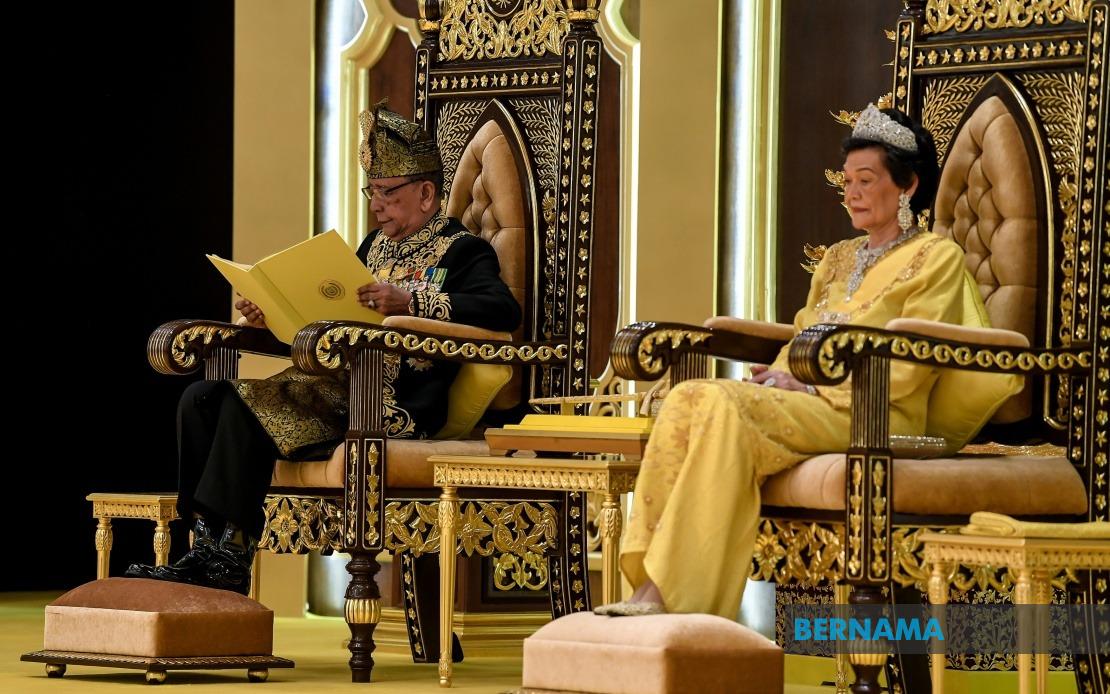
The Sultan of Kedah, Al Aminul Karim Sultan Sallehuddin Sultan Badlishah, has issued a strong call for Langkawi to carve out its own distinctive development trajectory, cautioning against the temptation to replicate the models deployed by neighbouring tourist powerhouses such as Phuket in Thailand or Bali in Indonesia. Speaking at an investiture ceremony held in conjunction with his 84th birthday celebration in Alor Setar on July 5, the Sultan articulated a vision for the island that prioritises authenticity and self-determination over comparative benchmarking with regional competitors.
The sovereign recognised Langkawi's paramount significance as both a state and national asset, underscoring the island's pivotal role as a leading tourist destination and a fundamental pillar supporting Kedah's economic trajectory. His remarks underscore a growing concern within Malaysia's leadership about the necessity of protecting the nation's tourism assets from homogenisation, particularly as Southeast Asian destinations compete increasingly for the same visitor pools. The island's positioning within the broader regional tourism landscape makes the Sultan's intervention particularly timely, as development pressures mount across the Andaman coast.
According to the Sultan, Langkawi's competitive edge resides fundamentally in its environmental endowments and cultural distinctiveness, assets that require deliberate preservation through sustainable development frameworks. This statement carries implications for how future tourism infrastructure projects are conceived and executed, suggesting that growth should be calibrated to enhance rather than diminish the island's inherent character. The emphasis on sustainability reflects broader global trends in tourism planning, where destinations increasingly recognise that long-term economic viability depends on maintaining the very attributes that attracted visitors initially.
The Sultan further asserted an unwillingness to tolerate any stakeholder who might attempt to exploit opportunities by engaging in actions or communications that could undermine Langkawi's standing and public perception. This protective stance suggests concern about development decisions being made without adequate consultation or consideration of broader reputational implications. It also indicates potential friction between the palace and certain development interests, though the Sultan refrained from naming specific actors or projects requiring recalibration.
Beyond tourism positioning, the Sultan raised substantive grievances regarding implementation delays affecting critical infrastructure initiatives. The Sungai Kedah and Anak Bukit flood mitigation programme, formally known as the Rancangan Tindakan Banjir (RTB), has languished incomplete despite considerable elapsed time, leaving communities vulnerable to recurring inundation events. The Sultan's characterisation of these delays as creating ongoing hardship for affected populations underscores the interconnection between tourism development ambitions and the foundational infrastructure requirements necessary for sustainable prosperity across all sectors of society.
The persistent flooding challenge represents a governance failure with tangible human costs. Residents in vulnerable areas continue experiencing property damage, disrupted livelihoods, and safety risks season after season, suggesting that engineering solutions identified in planning documents have not been translated into completed works. The Sultan's invocation of this issue during a high-profile ceremonial address signals both frustration with implementation capacity and a determination to maintain this matter within public view until resolution occurs. For Malaysian readers, this reflects a familiar pattern where well-designed projects encounter delays due to funding constraints, coordination breakdowns, or contractor performance issues.
The timing of these remarks carries significance within Malaysia's political economy. Langkawi occupies a special economic zone status that distinguishes it within the broader Kedah development framework, yet this status appears insufficient to prevent infrastructure delays that plague the broader state. The Sultan's willingness to publicly highlight implementation failures suggests that conventional channels for administrative remediation may have proven inadequate, necessitating the intervention of constitutional authority to galvanise action.
For investors and tourism operators monitoring Kedah's trajectory, the Sultan's intervention establishes clear parameters for future development. Projects will be evaluated not merely on economic returns but on compatibility with Langkawi's distinctive character. This stance may moderate certain proposals while potentially accelerating others aligned with preservation and sustainable growth principles. It also positions the palace as an active arbiter in development decisions, rather than a ceremonial entity standing apart from policy disputes.
The royal gathering witnessed by attendees including the Sultanah of Kedah, Sultanah Maliha Tengku Ariff, and other members of the royal household reinforced the institutional weight behind these assertions. The presence of the Raja Muda and other senior royal figures underscored that these concerns command family consensus and reflect considered institutional positions rather than individual preferences. This collective royal stance carries considerable symbolic force within Malaysian constitutional arrangements, where sultanates retain significant influence over territorial governance.
Regionally, the Sultan's emphasis on authenticity and resistance to cookie-cutter development models resonates with concerns raised across Southeast Asia about tourism sustainability and the homogenising effects of rapid globalisation. Thailand, Indonesia, and other destinations have grappled with questions about whether tourism growth ultimately erodes the distinctive features that justify visitation. Langkawi's trajectory thus carries implications extending beyond state borders, contributing to broader regional conversations about balancing economic benefits against cultural and environmental preservation.
Moving forward, the Sultan's call for distinctive development and infrastructure completion will serve as benchmarks against which Kedah's administration will be evaluated. Whether authorities can simultaneously accelerate flood mitigation works while maintaining the island's character, and whether development partners respect the boundaries the palace has established, will largely determine whether these aspirations translate into tangible outcomes. The stakes extend beyond Langkawi itself, reflecting foundational questions about how Malaysia manages the tension between development imperatives and preservation obligations in an era of intensifying regional competition.

