The island community of Langkawi is celebrating a significant advancement in healthcare logistics with the imminent arrival of a dedicated sea ambulance service, which the government plans to operationalise within the first quarter of next year. This development addresses a long-standing gap in the island's emergency medical infrastructure, where residents and visitors have historically faced severe constraints when requiring urgent hospital treatment on the Malaysian peninsula. The initiative represents a tangible government commitment to bridging the healthcare divide between island and mainland communities, a challenge that has plagued Langkawi for years.
Finance Minister II Datuk Seri Amir Hamzah Azizan announced yesterday that the Ministry of Finance has earmarked RM5.5 million to procure the sea ambulance vessel and sustain its initial operational phase. This financial commitment underscores the federal government's recognition that island communities require specialised medical transport infrastructure distinct from conventional ferry services. The allocation reflects a strategic decision to treat emergency medical evacuation as a dedicated public health service rather than an ancillary function of existing maritime transport networks.
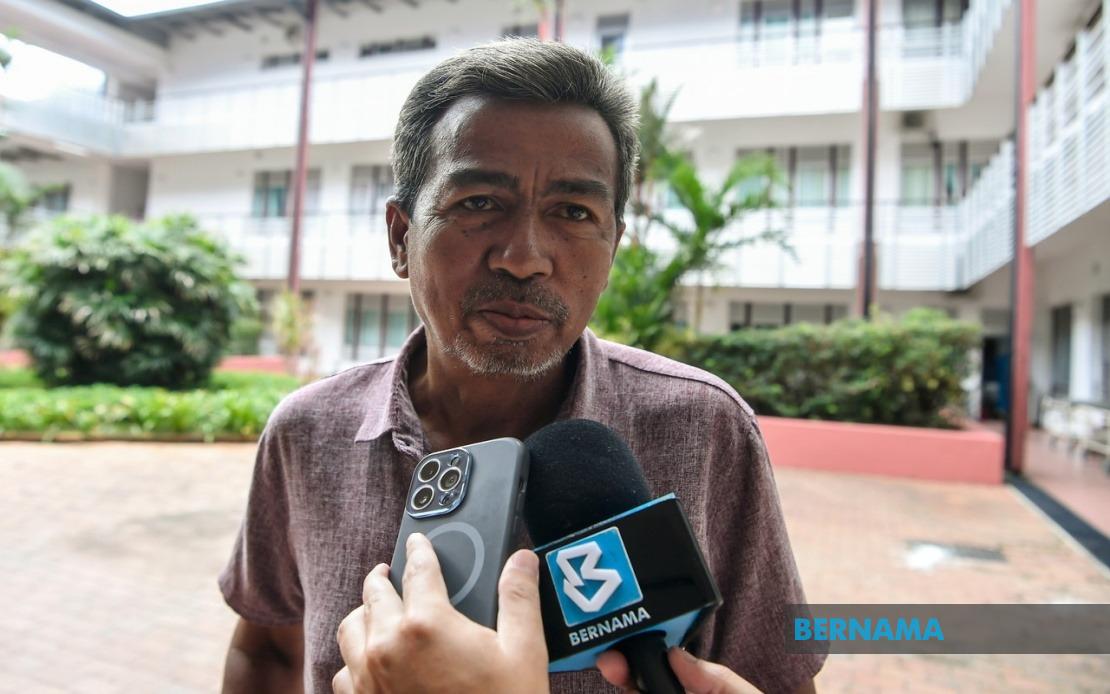
Among those celebrating the announcement is Yusuf Zakaria, chairman of the Langkawi Small Traders Association, who characterised the service as overdue and essential. At 60 years old, Zakaria has observed decades of community frustration over inadequate emergency transport options. While acknowledging that a non-governmental organisation has operated a water ambulance service previously, he emphasised that many residents remain uncertain about access procedures and operational reliability. A government-administered service, in his assessment, will provide standardised protocols that prioritise patient safety and institutional accountability, qualities that become critical when transporting critically ill or injured individuals across open water.
Contractor Muhamad Hafiz Abdul Jalil articulated the practical realities that make the sea ambulance essential. For years, Langkawi residents confronting medical emergencies have depended on commercial ferry services, which operate according to schedules designed for leisure travel rather than medical urgency. Ferry vessels lack the medical equipment, trained personnel, and operational flexibility required for transporting patients in critical condition. Hafiz expressed hope that the new service would commence on schedule, finally liberating the community from reliance on transport infrastructure fundamentally ill-suited to emergency medical needs.
Trader Masri Ahmad highlighted a dimension often overlooked in healthcare planning: the nocturnal vulnerability of island communities. When ferry services suspend operations at night, residents and visitors facing medical emergencies previously confronted impossible choices between waiting for dawn transport or undertaking dangerous midnight sea crossings in unsuitable vessels. A dedicated sea ambulance operating around the clock transforms this calculus entirely, enabling rapid response to heart attacks, stroke, serious trauma, and other time-sensitive conditions regardless of hour. Ahmad noted that Langkawi's status as a major tourism destination adds another dimension to this requirement, as international visitors requiring emergency care represent both a humanitarian obligation and an economic consideration for an island dependent on tourist revenue.
The implications of this service extend beyond immediate emergency response. Island healthcare systems often struggle with patient referral protocols, as the absence of dedicated transport creates artificial barriers between primary care facilities and tertiary hospitals. A reliable sea ambulance removes this friction, enabling local clinics and the island's hospital to function effectively as part of an integrated regional healthcare network. Patients requiring specialist treatment can receive rapid transport to mainland facilities equipped with advanced diagnostic and surgical capabilities, fundamentally improving outcomes for conditions like acute coronary syndrome, stroke, and severe trauma where every minute determines prognosis.
From a regional perspective, Langkawi's experience mirrors challenges confronting other island and remote communities across Southeast Asia. Malaysia's maritime geography means numerous populated areas depend on water transport for connectivity. The model being implemented in Langkawi could provide a template for addressing similar healthcare gaps in other island communities, whether in Sabah, Sarawak, or the Andaman Sea region. As healthcare systems increasingly emphasise integration and accessibility, dedicated emergency maritime transport becomes not a luxury but an essential infrastructure element comparable to ambulance services on the peninsula.
The timing of this initiative also reflects evolving government priorities regarding healthcare equity. The RM5.5 million investment demonstrates willingness to allocate significant resources to solve infrastructure problems affecting relatively small populations. This approach acknowledges that healthcare access should not be contingent on geography, and that island residents deserve equivalent emergency response capabilities as their mainland counterparts. Such commitments build social cohesion by signalling that remote and peripheral communities receive serious government attention.
As Langkawi moves toward the launch date, several operational questions will require careful planning. Training adequate personnel in emergency medical response specific to maritime conditions remains essential. Coordination protocols between the sea ambulance, island medical facilities, and mainland hospitals must be established and regularly tested. Weather-dependent operational limitations require advance planning to ensure service continuity during monsoon seasons or severe conditions. Success will ultimately depend on meticulous implementation that transforms the government's financial commitment into a reliable, accessible service meeting the community's medical needs.
The residents' expressions of gratitude reflect more than relief at finally obtaining emergency transport. They represent acknowledgment that patient voices and lived experience have finally penetrated policy circles, converting longstanding complaints into concrete action. For Langkawi's 700,000 annual tourists and 65,000 permanent residents, the sea ambulance service arriving early next year promises not merely improved emergency response, but equitable access to the healthcare security that mainland communities take for granted.

