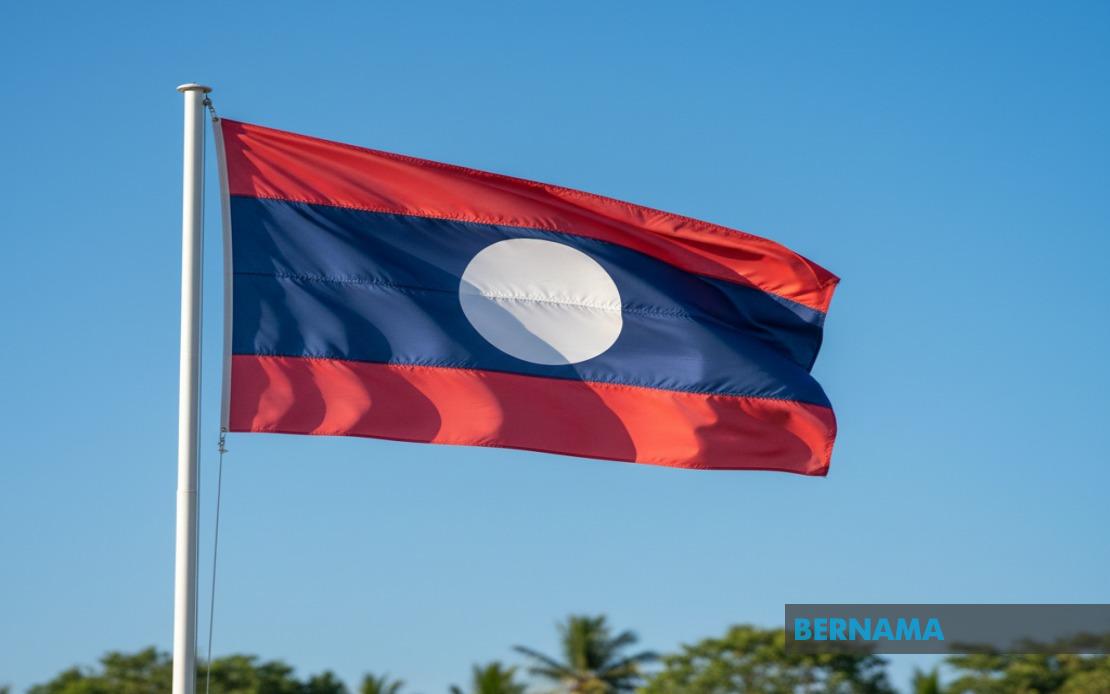
Laos has taken a significant step toward reshaping its media landscape by convening the first National Media Congress in the capital Vientiane, where leaders and industry professionals adopted a comprehensive roadmap to modernise the sector and strengthen its quality and impact. The three-day gathering, held earlier this month, brought together an expansive array of stakeholders including government officials, media executives, editors, journalists, and communications specialists to chart the country's media trajectory during a period of rapid technological and social change across Southeast Asia.
The congress, conducted under the banner "Strengthening Party Leadership and Developing the Media Toward a New Level of Quality," reflects Laos's recognition that media institutions require strategic repositioning to meet contemporary demands whilst maintaining alignment with national priorities. During the closing session, Khamphan Pheuyavong, who heads the Commission for Information and Education, delivered a comprehensive summary acknowledging that the congress achieved its core objectives of evaluating prior performance, identifying critical obstacles, and establishing forward-looking strategies to enhance media effectiveness and quality standards across the nation.
President Thongloun Sisoulith's closing address demonstrated the government's commitment to media development and articulated a five-point framework for strengthening institutional capacity. The first pillar emphasises enhanced unity and cooperation across media organisations, advocating for collaborative learning and fostering shared understanding of the evolving information ecosystem. This priority implicitly acknowledges the fragmentation that can occur when media outlets operate in isolation, and seeks to build a more cohesive industry capable of collectively addressing challenges whilst developing sophisticated mechanisms to distinguish legitimate criticism from malicious attacks.
The second priority centres on cultural preservation, calling on media professionals to embed Laotian values including humility, generosity, and mutual respect into their editorial practices whilst actively rejecting vulgarity, dishonesty, and self-serving conduct. This reflects broader Southeast Asian concerns about maintaining cultural identity amid globalisation and the influence of external media frameworks. For Malaysian observers, this parallels ongoing regional discussions about balancing modernisation with the preservation of community values and ethical standards in journalism.
Truth and justice constitute the third pillar, with the president emphasising responsible reporting as the foundation of public trust. Media professionals are explicitly encouraged to combat misinformation and uphold accuracy standards, a directive that resonates across the region where false information and propaganda pose mounting challenges to social cohesion and democratic institutions. This commitment suggests Laos recognises that media credibility—once lost—proves extraordinarily difficult to restore, and that maintaining journalistic integrity serves the broader national interest.
The fourth priority directs Party and state agencies to enhance their guidance, support, and constructive assistance to media organisations. This formulation indicates official recognition that media development requires sustained institutional partnership rather than top-down control. It suggests an attempt to reframe government-media relations around collaborative improvement rather than adversarial positioning, though the implications of "Party leadership" in this context warrant attention from regional analysts observing press freedom dynamics.
Continuous professional development emerges as the final priority, with explicit emphasis on skill advancement, technological innovation, and adaptive capacity. The president's call for journalists to embrace change reflects global industry trends whilst acknowledging that Laotian media professionals require investment in training and resources to compete effectively in an increasingly digital information environment. This commitment to capability-building may translate into expanded journalism education programmes and professional development initiatives across the country.
For Malaysia and the broader Southeast Asian region, Laos's inaugural media congress offers several points of interest. First, it demonstrates that all ASEAN nations, regardless of political system or development stage, recognise media modernisation as essential governance infrastructure. Second, the emphasis on balancing modernisation with cultural values mirrors similar discussions happening in Malaysia, Indonesia, and Thailand. Third, the articulated commitment to supporting media quality through government partnership suggests a distinct approach from purely market-driven or adversarial media-state models elsewhere in the region.
The congress outcomes also highlight the importance of creating structured forums where media professionals, government officials, and other stakeholders can engage in sustained dialogue about industry direction. Such gatherings, when conducted transparently and with genuine stakeholder input, can produce strategies that commands broader legitimacy than top-down directives. The breadth of participation in Vientiane suggests Laos sought to build consensus around its media vision rather than impose prescriptive solutions.
Looking forward, the real test of the congress's success will lie in implementation. Translating the five priorities into concrete policies, budgetary allocations, training programmes, and institutional reforms requires sustained commitment and resources. Regional observers will monitor whether Laos establishes measurable targets for media quality improvement, whether professional development initiatives materialise, and how government agencies operationalise their commitment to "constructive assistance" without compromising editorial independence.
For Malaysian media practitioners and policymakers, Laos's experience offers instructive parallels and contrasts. Both nations grapple with harnessing media's potential for national development whilst managing information challenges. However, Malaysia's more developed media infrastructure and longer tradition of commercial broadcasting present distinct circumstances. Nevertheless, Laos's systematic approach to identifying media sector priorities and building stakeholder consensus merits consideration as frameworks for regional media development dialogue and cooperation.

