The economic corridor between Laos and Vietnam is gaining momentum, with bilateral trade reaching US$1.47 billion during the initial seven months of 2026. This expansion reflects the two nations' concerted push to integrate their markets through transformative infrastructure investments that promise to reshape regional commerce and investment patterns. The trade performance demonstrates resilience in their economic relationship despite global market pressures, signalling growing confidence in cross-border business opportunities.
Laos emerged as a net exporter to Vietnam during this period, with shipments valued at approximately US$1 billion, while Vietnamese imports totalled US$420 million. This composition reflects Laos's role as a supplier of natural resources and agricultural products to its larger neighbour, even as Vietnam provides manufactured goods and processed materials back across the border. The asymmetry in trade volumes underscores the complementary nature of their economies and the potential for deeper integration through value-added supply chains.
These impressive figures were unveiled at the Laos-Vietnam and Vietnam-Laos Joint Cooperation Committees' mid-term review held in Danang on August 27, bringing together high-level officials including Laos's Deputy Prime Minister and Minister of Finance Santiphab Phomvihane and Vietnam's counterpart Ngo Van Tuan. The gathering provided an opportunity to assess progress against the cooperation framework established for 2026 and recalibrate priorities for the year's remaining months. Both sides expressed satisfaction that agreed targets had largely been achieved, validating the strategic direction of their bilateral engagement.
At the heart of this expanding relationship lie three megaprojects designed to create lasting physical linkages between the two countries. The Vientiane-Hanoi Expressway represents perhaps the most transformative initiative, promising to reduce journey times and logistics costs while opening landlocked Laos to Vietnamese ports. The companion Vientiane-Vung Ang Railway project would establish direct rail connectivity to Vietnam's central coast, creating an alternative export route for Laotian goods. These transport arteries hold significance not merely for bilateral commerce but for Southeast Asia's broader integration agenda, potentially reshaping trade flows across the Mekong region.
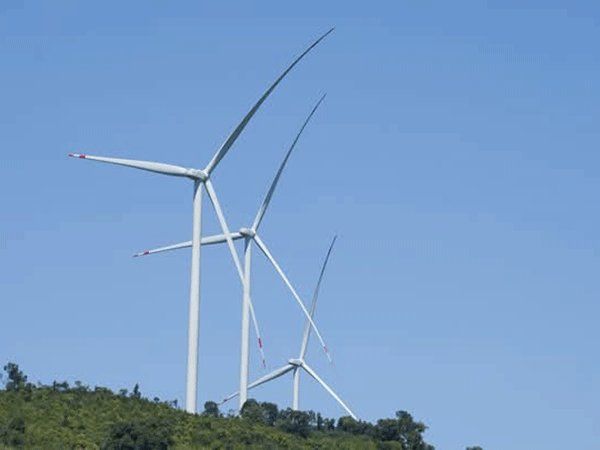
Beyond transport infrastructure, the two nations are pursuing coordinated energy diplomacy through a proposed 500-kilovolt transmission line designed to facilitate power trading between their grids. This project reflects Laos's emerging role as a regional energy exporter and Vietnam's substantial demand for electricity to fuel its manufacturing expansion. The electricity interconnection would complement existing hydroelectric partnerships and create mutual benefits—allowing Laos to monetize its abundant water resources while providing Vietnam with cleaner energy alternatives to supplement its domestic generation.
The cooperation framework also encompasses petroleum and logistics infrastructure, including pipeline development and warehouse facilities that would support growing commercial activity. These unglamorous but essential projects form the backbone of efficient trade networks, reducing friction costs and enabling businesses to operate with greater predictability. For Malaysian companies considering regional supply chain participation, these infrastructure developments create opportunities to participate in cross-border logistics and energy trading ventures across the Mekong corridor.
Beyond commercial infrastructure, Vietnam has invested substantially in Laotian human capital and institutional development. The joint committees acknowledged progress in establishing the Xaysomboun Provincial Agricultural Technical Centre, the Savannakhet Provincial Technical and Vocational School, and the Laos-Vietnam Friendship University. These capacity-building initiatives indicate that Vietnam's engagement in Laos extends beyond extractive industries to encompassing knowledge transfer and institutional strengthening. Such investments build long-term competitiveness and reduce skill gaps that might otherwise limit Laos's ability to capture value from economic integration.
The medium-term cooperation plan for 2026-2030 establishes an ambitious agenda prioritizing political alignment, foreign policy coordination, and conditions for major Vietnamese investments in Laos. This forward-looking approach suggests both nations view their partnership as extending beyond transactional trade to encompassing strategic positioning within Southeast Asia's evolving geopolitical landscape. The emphasis on creating investment conditions reflects Vietnam's confidence in Laos's political stability and growth potential, even as it acknowledges that regulatory frameworks and governance quality remain competitive factors.
Regional observers note that deepening Laos-Vietnam integration occurs within a broader context of Mekong cooperation and evolving great-power competition for influence in Southeast Asia. The infrastructure connectivity initiatives serve multiple purposes: they facilitate commerce, deepen political ties, and position the two nations as coordinated actors within the region. For Malaysia and other ASEAN members, the Laos-Vietnam relationship represents both partnership opportunities and a reminder that subregional economic blocs are consolidating throughout Southeast Asia.
The substantial infrastructure investments and coordinated policy framework suggest that Laos-Vietnam trade will likely continue expanding beyond current levels. Successful completion of the expressway and railway would unlock previously untapped trade potential by reducing transaction costs and enabling new supply chains. Vietnamese enterprises already recognize Laos as an increasingly attractive base for resource-based manufacturing and energy-intensive industries seeking alternatives to higher-cost locations.
For Southeast Asian businesses and policymakers, these developments underscore the importance of regional connectivity in determining competitive positioning. The Vientiane-Hanoi corridor may eventually serve as a model for broader subregional integration, demonstrating how strategic infrastructure and coordinated bilateral policies can accelerate economic deepening. Malaysian firms with interests in Laotian resources or Vietnamese manufacturing should monitor these infrastructure developments carefully, as completed projects will materially reshape logistics efficiency and market access throughout the Mekong region.

