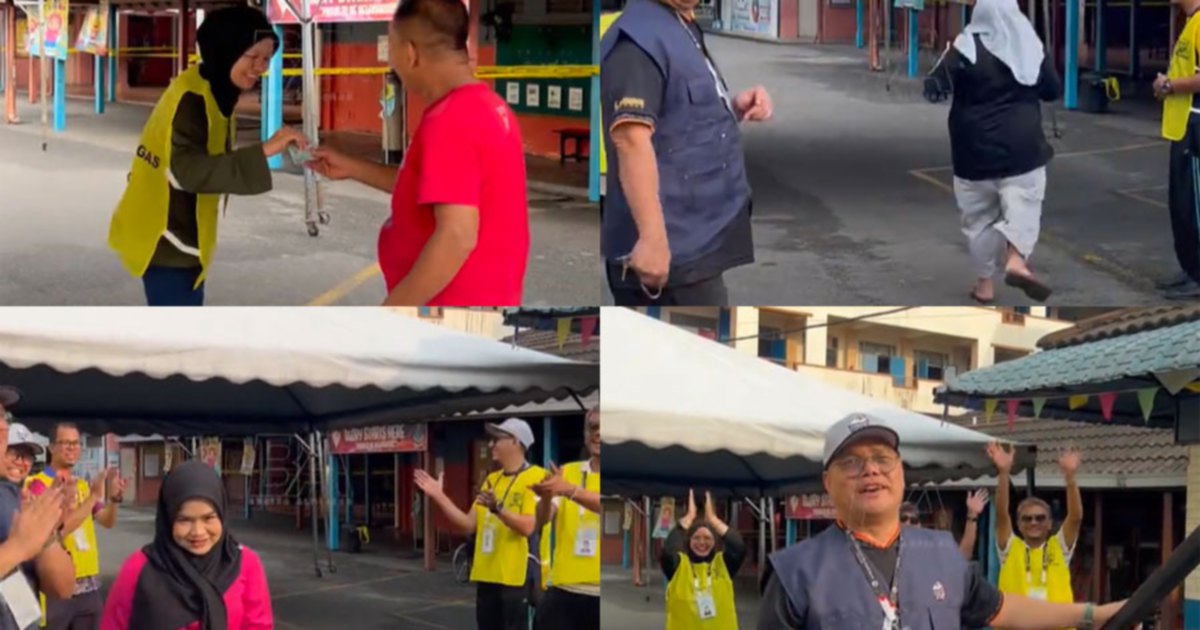
A video that has gained significant traction across social media platforms documents the hectic closing moments of the Negri Sembilan state election, revealing just how determined some voters were to participate in the democratic process. The footage, which has been widely shared and discussed online, captures the intensity of the scene at polling stations as the 6pm deadline approached, with citizens making urgent efforts to ensure their votes were recorded before voting ended.
Election day closures create a natural pressure point where voters who have delayed their participation must make a final push to exercise their franchise. In Malaysia's electoral system, the strict adherence to closing times reflects the need for organized, orderly transitions between polling and counting phases. The deadline serves as a regulatory checkpoint, yet it also generates these moments of urgency that often capture public attention and spark conversations about civic engagement.
Viral moments from election days frequently offer windows into broader patterns of voter behaviour and participation levels. When such footage circulates widely on platforms like TikTok, Instagram, and Facebook, it tends to generate commentary about democratic engagement, with some viewing these last-minute rushes as evidence of strong civic interest and others questioning whether electoral arrangements adequately accommodate those wishing to vote. The Negri Sembilan footage appears to have resonated particularly strongly, suggesting it captured something compelling about the determination displayed by these citizens.
State elections in Malaysia hold particular significance as they determine local representation and regional governance priorities. Negri Sembilan, strategically located in the central region of Peninsular Malaysia, has historically been a state where electoral outcomes have influenced broader political trajectories. Strong voter turnout, particularly during the final permitted hours, can signal engagement with state-level issues and represent an important metric for assessing the health of democratic participation at this governmental tier.
The act of rushing to vote before a deadline often reflects various underlying factors within the electorate. Some voters may have faced work or family commitments that prevented earlier participation, while others might be motivated by the urgency itself—the compressed timeline can concentrate decision-making and reinforce the importance of the moment. Documentation of these scenes through video has become increasingly common as smartphone usage expands, allowing ordinary citizens to capture and share moments that previously might have gone unrecorded beyond polling station observers' notes.
Social media amplification of election-related content generates secondary discussions about electoral processes and civic participation. When footage goes viral, it often attracts commentary from political analysts, civil society organizations, and ordinary citizens discussing the implications of what they are witnessing. These conversations can influence perceptions of electoral legitimacy, turnout levels, and public understanding of voting mechanics and procedures. The Negri Sembilan video appears to have catalysed such discussions within Malaysia's online political discourse.
For election management bodies and state authorities, viral moments provide both opportunities and challenges. They can demonstrate public enthusiasm for voting and validate electoral operations' ability to handle high-volume voter traffic during final hours. Conversely, footage showing congestion or apparent disorder might prompt questions about polling station efficiency and whether voting procedures are accessible to all citizens. The Malaysian Election Commission continually evaluates operational efficiency to ensure that motivated voters can successfully cast ballots within permitted timeframes.
The phenomenon of last-minute voting has been documented in various democracies worldwide, with research suggesting that approximately 15-25 percent of voters in many elections complete their participation during final hours. This pattern reflects diverse population schedules and decision-making timelines, indicating that democratic systems must accommodate varying approaches to political participation. Understanding these patterns helps authorities allocate resources appropriately and design processes that facilitate, rather than frustrate, citizen engagement.
State elections in Malaysia's federal framework represent a distinct tier of democratic practice, allowing regional governments substantial autonomy over local matters including land administration, Islamic affairs, and local governance priorities. Negri Sembilan's voters were exercising meaningful choice over representatives who would shape state policy during their term, adding substantive weight to the urgency captured in the viral footage. The intensity of last-minute participation may reflect genuine concern among citizens regarding state-level governance questions and competing visions for Negri Sembilan's future direction.
The democratization of election documentation through viral video has altered how electoral processes are perceived and discussed publicly. Rather than relying solely on official reports and media coverage, citizens now generate their own visual records and narrative interpretations, which circulate through networks and influence broader public understanding. This distributed documentation creates richer historical records of electoral moments while simultaneously introducing varied perspectives on what such footage signifies about participation patterns and democratic health.
Looking forward, the Negri Sembilan election's viral moments may inform ongoing discussions about electoral accessibility and the appropriateness of voting deadlines. While maintaining orderly transitions between polling and counting remains essential, election authorities might consider whether current procedures adequately serve voters attempting to participate during final hours. The video serves as both documentation of citizen engagement and a prompt for reflection on how electoral systems can better accommodate the diverse schedules and circumstances of Malaysia's voting public.

