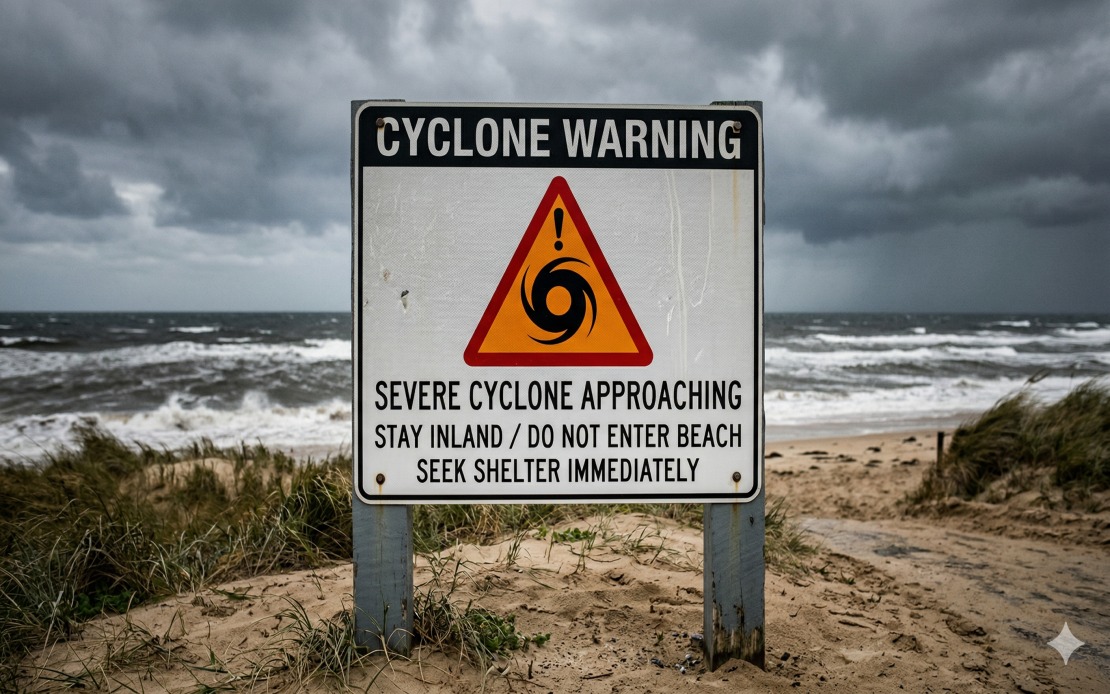
The Baltic nation of Latvia has mobilized its emergency preparedness systems in response to an incoming cyclone expected to bring severe weather across much of the country this weekend. The Latvian Environment, Geology and Meteorology Centre issued a red-level alert on Friday, its most critical warning classification, targeting central areas of the nation including the capital Riga and the city of Jelgava. This maximum-severity designation indicates meteorological authorities expect conditions that could inflict significant damage and pose serious risks to public safety and critical infrastructure.
The dangerous weather window is projected to commence at 8 am on Saturday and persist through the early hours of Sunday morning, with the alert formally concluding at 1 am. However, officials cautioned that the geographical scope of the warning may shift as updated forecast models become available, reflecting the unpredictability inherent in severe weather prediction. The cyclonic system is anticipated to unleash torrential rainfall combined with powerful wind gusts, creating compounded hazards across affected territories.
The primary concern centers on widespread flooding of residential areas, transportation networks, agricultural land, and private gardens throughout the warning zone. Authorities have indicated that certain roadways may become completely impassable as water accumulation rises, potentially trapping motorists and preventing emergency services from reaching affected communities swiftly. The combination of saturated soil conditions and concentrated precipitation over a compressed timeframe creates conditions where drainage systems become overwhelmed and surface water pools rapidly in low-lying areas.
Beyond water damage, the severe weather threatens to disrupt essential services that modern economies depend upon. Electricity distribution networks face particular vulnerability, as high winds can topple trees and snap branches, bringing power lines down across populated areas. Water supply systems and telecommunications infrastructure similarly risk damage from the extreme conditions, which could leave residents without access to clean drinking water or means of communication with emergency services. Such cascading service failures can amplify the overall impact of a storm event, affecting public health and hampering disaster response efforts.
Looking ahead to practical preparations, Latvia's State Fire and Rescue Service issued clear guidance for residents. The agency strongly advised people to minimize outdoor activity during the warning period, as conditions will be dangerous for pedestrians and drivers alike. Residents were instructed to secure any unsecured objects that could become dangerous projectiles in high winds, from garden furniture to loose roofing materials. Additionally, households should pre-charge mobile devices and ensure backup power sources are ready, anticipating that electrical service interruptions may last several hours or longer depending on damage severity.
The scale of the anticipated disruption is evidenced by the rapid cancellation of outdoor public events across the country. Entertainment venues, festivals, and gathering spaces have made the prudent decision to postpone activities rather than risk attendee safety. This reflects a national-level recognition that the incoming system represents a genuine emergency requiring broad societal adaptation.
The cyclone's impacts are not confined to Latvia alone. Neighboring Estonia faces comparable threats as meteorological systems at this scale cross international boundaries with little regard for political borders. The Estonian Environment Agency has issued similar warnings regarding heavy precipitation and violent winds expected to affect the country over the same weekend timeframe. Estonia's electricity distribution operator Elektrilevi specifically warned that the storm-driven felling of trees and large branches poses a severe hazard to power infrastructure, potentially triggering outages across their service territory.
For the broader Baltic and Nordic region, this weather event underscores the seasonal transition period when Atlantic cyclones become increasingly common, particularly during late summer and autumn months. Climate patterns affecting northern Europe during this period can produce rapidly intensifying storm systems that generate substantial economic losses and occasionally claim lives when populations are inadequately prepared. The rapid issuance of maximum-level alerts by multiple national meteorological agencies indicates that forecasters have identified this particular system as unusually severe relative to typical weekend weather fluctuations.
From a regional perspective, these events highlight the shared vulnerability of Baltic nations to severe weather phenomena and the importance of coordinated response mechanisms across national authorities. The simultaneous alerts in Latvia and Estonia demonstrate that effective disaster preparedness requires harmonized early-warning systems and compatible emergency protocols. For neighboring countries and those with economic or diplomatic ties to the region, monitoring how Baltic authorities manage this crisis offers practical lessons in crisis communication and public preparation. The experience also reinforces why investment in weather prediction capabilities and infrastructure resilience represents a vital component of national security and economic stability, particularly for nations situated in storm-prone geographical zones.

