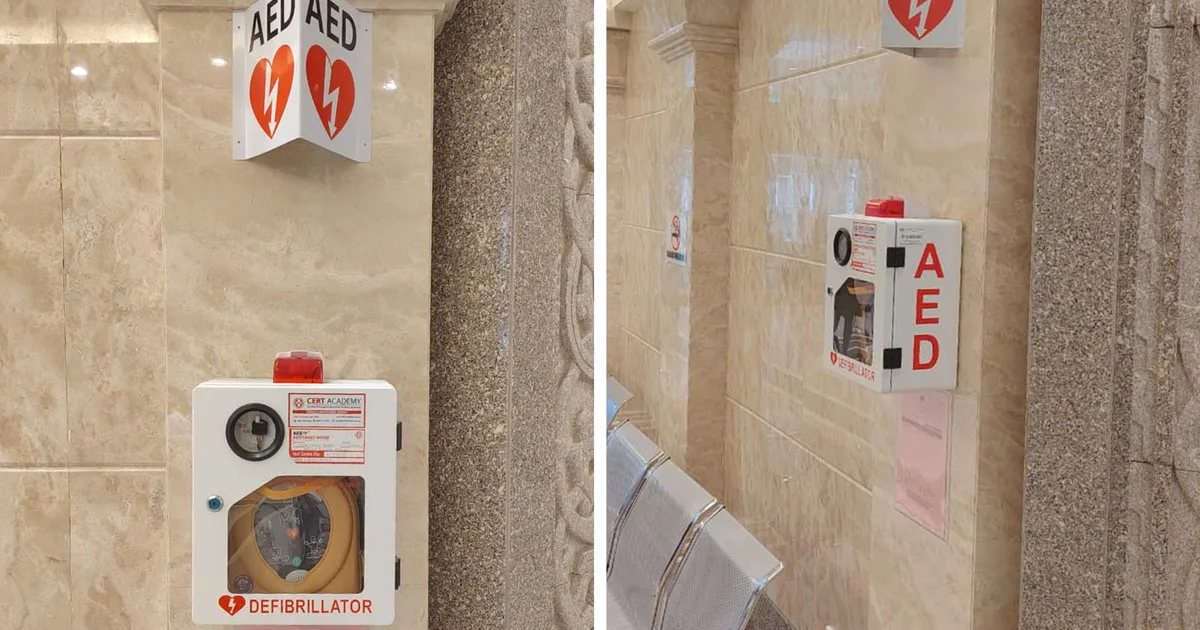
The Malaysian legal community has made an urgent appeal for life-saving equipment to be positioned throughout major court facilities nationwide, prompted by a tragic incident in which a litigant suffered fatal cardiac arrest inside a Kuala Lumpur High Court courtroom. The unexpected death has galvanised the profession to take action on what many view as a critical gap in emergency medical preparedness within the judicial system.
The incident has highlighted vulnerabilities in the judicial infrastructure that extend beyond courtroom procedures and into the realm of public health and safety. Courtrooms regularly host diverse populations including litigants, legal practitioners, witnesses, and members of the public, many of whom may be elderly or have underlying medical conditions. The compressed and sometimes stressful environment of legal proceedings can place additional strain on individuals already at cardiovascular risk. When medical emergencies occur, the availability of an automated external defibrillator (AED) in the immediate vicinity can mean the difference between recovery and fatality, particularly in the critical first minutes following cardiac arrest.
Automated external defibrillators have become standard equipment in many public spaces across developed nations and increasingly in Southeast Asia, reflecting growing recognition of their role in sudden cardiac death prevention. These portable devices are designed for use by untrained bystanders and can significantly improve survival rates when deployed within minutes of collapse. The absence of such equipment in court complexes, which function as major public institutions frequented daily by hundreds of individuals, represents a notable oversight in emergency preparedness.
The legal profession's position carries particular weight given that lawyers and judicial officers themselves spend extended periods in these facilities. Beyond the ethical imperative to protect public safety, the installation of defibrillators would demonstrate institutional commitment to duty of care and modern standards of emergency management. Court administrators have historically focused on security measures and operational efficiency, but medical emergency protocols have received comparatively less attention despite their importance.
Implementing this recommendation would require coordination between multiple stakeholders, including the Judiciary, Ministry of Health, and court management authorities. The logistics involve not only purchasing and installing AED units but also establishing training programmes to ensure staff can respond appropriately to medical emergencies. Regular maintenance schedules, staff refresher training, and integration with local emergency services would be essential components of any comprehensive programme.
The cost implications, while not insignificant, should be weighed against the incalculable value of human life and the reputational benefit to Malaysia's judicial system. Regional courts in countries such as Singapore and Hong Kong have already adopted similar measures as part of broader workplace safety initiatives. For Malaysia to maintain its standing as a developed nation and align with international best practices in public health infrastructure, comparable measures would be entirely appropriate.
Beyond the immediate tragedy, this incident raises broader questions about emergency preparedness in government institutions throughout the country. If defibrillators are not systematically deployed in one of the nation's most prominent public venues, the judiciary, then concerns inevitably arise about their availability in other administrative and institutional settings. A coordinated national approach to AED placement in high-traffic government buildings would address systemic deficiencies and establish consistent standards across the public sector.
For Malaysian lawyers, this campaign represents an opportunity to advocate for tangible improvements to court infrastructure while responding to a genuine public health concern. The legal profession's credibility and standing in society makes their advocacy particularly persuasive when directed toward institutional reform. Court users, ranging from low-income litigants to corporate entities, deserve assurance that the judicial system prioritises their safety and wellbeing during often stressful proceedings.
The timing of this appeal is significant given Malaysia's broader health initiatives and the government's stated commitment to preventive healthcare. Sudden cardiac death remains a leading cause of mortality in the country, and public institutions have a responsibility to mitigate preventable deaths through readily available interventions. The installation of AED units at court complexes would represent a modest but meaningful investment in public health infrastructure that complements existing medical services.
Moving forward, the judiciary and relevant authorities should expedite the implementation of this recommendation, beginning with major court complexes in Kuala Lumpur and expanding systematically to all state capitals and district courts. Staff training programmes should commence immediately to ensure readiness. This decision would not only honour the memory of the litigant whose death prompted this initiative but would establish a precedent for evidence-based, life-saving measures in Malaysia's public institutions.

